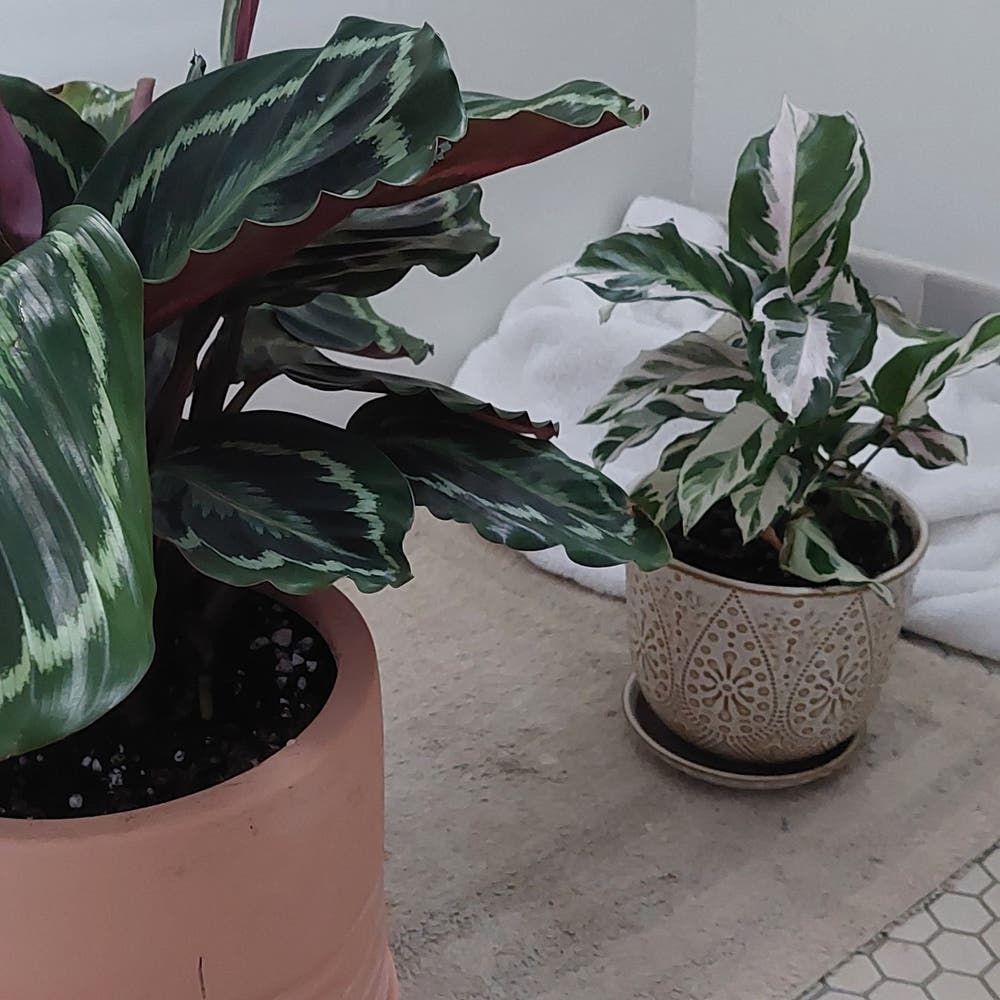
🌞 Is My Calathea 'Medallion' Getting Too Much Direct Sunlight?
Goeppertia roseopicta 'Medallion'
By the Greg Editorial Team
Jun 18, 2024•3 min read
This article was created with the help of AI so we can cover more plants for you. May contain errors. See one? Report it here.
Shield your Calathea 'Medallion' from harsh rays with savvy sun-care tips! 🛡️🌱
- Direct sunlight scorches Calathea 'Medallion', causing leaf discoloration and damage.
- 🌤️ East-facing windows are ideal; they offer gentle morning light.
- Rotate plant for even light exposure, preventing sunburn and promoting health.
When Sun Kisses Leaves a Bit Too Hard
🌞 Defining Direct Sunlight Through a Child's Eyes
Direct sunlight is like standing directly under the showerhead, getting drenched by the sun's full force. Indirect sunlight, however, is akin to basking in the gentle mist from a nearby sprinkler—present, but softer.
🌿 Calathea 'Medallion's Sunlight Sweet Spot
Calathea 'Medallion' thrives in a game of hide and seek with the sun. It loves bright spaces where the sun plays peek-a-boo through a sheer curtain. Direct sunlight? That's a no-go—like a vampire, it retreats from the harsh glare. Too little light, and it's like a sullen teen, all stretched out and moody. Keep it golden, not scorched or pale.

Your Window's Role in the Sunlight Saga
🧭 Direction Matters: North, South, East, or West?
Your Calathea 'Medallion' might not come with a compass, but window orientation is key to its well-being. South-facing windows are the solar panels of the plant world in the Northern Hemisphere, dishing out bright light all day. Flip your map upside down for the Southern Hemisphere, and it's north-facing windows that are soaking in the sun.
East-facing windows offer a gentle morning hello of sunlight, while west-facing windows pack an afternoon punch. And north-facing windows? They're the introverts, providing a low-key vibe with minimal light.
🌍 Hemisphere Highlights: Where in the World is Your Calathea?
Your global address isn't just for postcards; it dictates your Calathea's sunbathing habits. Hemisphere matters—a south-facing window in Norway isn't the same as one in New Zealand.
In the Northern Hemisphere, that south-facing window is a sun magnet. Move to the Southern Hemisphere, and it's the north-facing windows that are basking in the glory. Remember, your Calathea isn't sunbathing in Ibiza; it prefers the dappled shade of a cabana.

Shielding Your Calathea from the Sun's Embrace
🌞 Creative Canopies: Using Sheer Curtains and Blinds
Your Calathea 'Medallion' is not a sun worshipper. Direct sunlight is its nemesis, potentially turning those gorgeous leaves into crispy critters. To prevent this, think of sheer curtains as your plant's personal sunscreen. They filter out the harshness, allowing only the soft, diffused light to caress the foliage. Blinds can also do the trick, adjustable slats giving you the power to fine-tune the light like a DJ mixing beats.
💡 Plant Placement: Finding a Safe Spot
Location is everything. Your Calathea 'Medallion' craves that sweet spot where the light is bright but not direct—like a shady nook a few feet away from a window. East-facing windows are prime real estate for these beauties, offering them the morning light without the scorching afternoon rays. And if you're feeling like a plant-parenting pro, rotate your Calathea periodically to ensure all sides get their fair share of the limelight.

Spotting Sun Trouble and Soothing Sunburns
🌞 Telltale Signs: When Your Calathea Cries for Help
Calathea 'Medallion' plants are drama queens when hit by too much sun. Crispy edges and brown patches scream 'I'm scorched!'. Leaves may fade, losing their vibrant patterns, and in severe cases, you'll see bleached, white areas. It's like the plant's personal SOS signal.
🩹 First Aid for Sunstruck Leaves
Got a sunburnt Calathea? Act fast. Move it to a shadier spot, pronto. Trim the crispy bits with clean scissors; it's tough love, but necessary. Provide a thorough watering to rehydrate the soil, but don't drown it. Remember, it's about recovery, not overcompensation. Keep an eye on your patient; with proper care, it'll bounce back.
⚠️ Safety First
This content is for general information and may contain errors, omissions, or outdated details. It is not medical, veterinary advice, or an endorsement of therapeutic claims.
Always consult a qualified healthcare professional before using any plant as food, medicine, or supplement.
Never eat any plant (or feed one to pets) without confirming its identity with at least two trusted sources.
If you suspect poisoning, call Poison Control (800) 222-1222, the Pet Poison Helpline (800) 213-6680, or your local emergency service immediately.
Spotted an error? Please report it here.
Keep your Calathea 'Medallion' thriving 🌿 with Greg's PlantVision, ensuring it gets just the right amount of dappled light without the sunburn.