🥊 Why Are There Brown Spots on My Boxing Glove Cactus Leaves?
Cylindropuntia fulgida var. mamillata
By the Greg Editorial Team
Apr 17, 2024•4 min read
This article was created with the help of AI so we can cover more plants for you. May contain errors. See one? Report it here.
- Overwatering and sunburn are common causes of brown spots on cactus leaves.
- Fungal infections need dry soil and fungicide treatment.
- Seek expert help if brown spots persist despite home remedies.
Spotting the Trouble: Identifying Brown Spots
🍂 What Do Brown Spots Look Like?
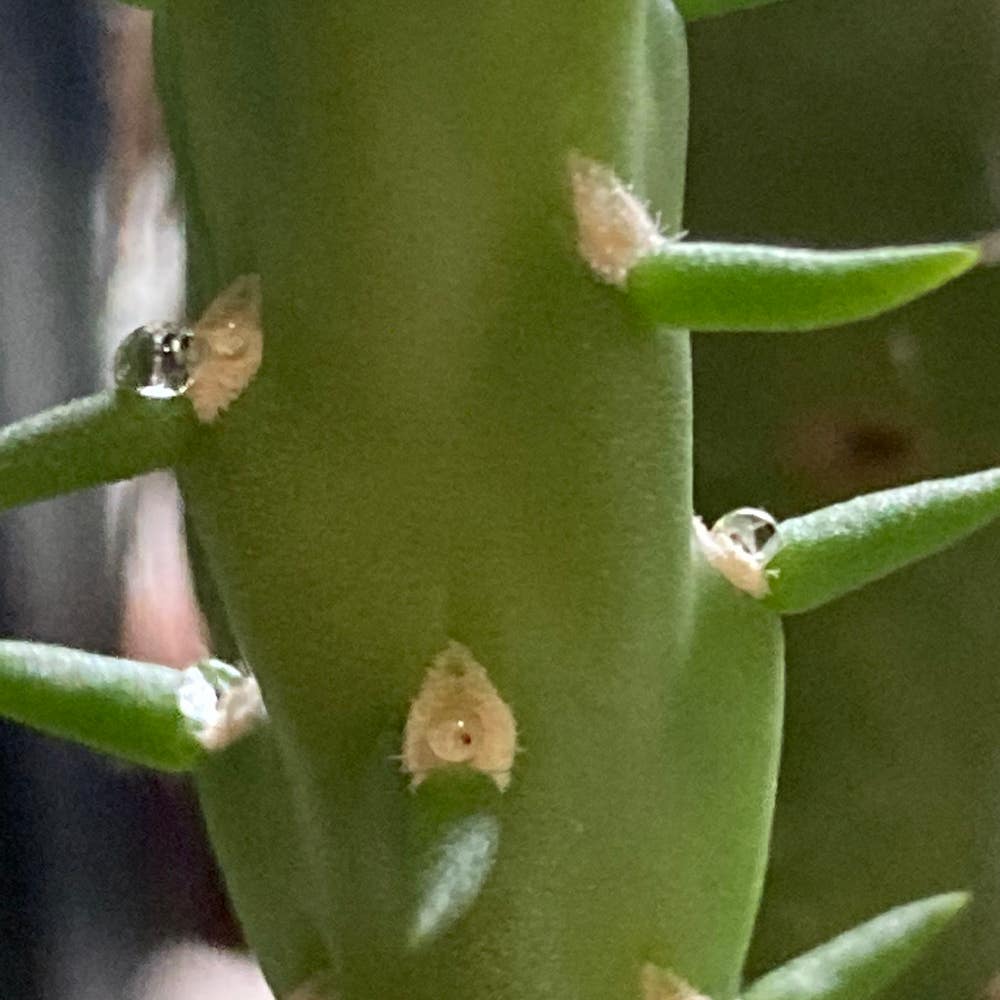
Brown spots on your Boxing Glove Cactus can range from tiny dots to large blotches, with edges that might be sharply defined or blend into the green. The spots could feel crispy or mushy, and their color might be a flat brown or feature dramatic yellow or black halos. Their location on the plant can also give you a hint about the cause—whether they're on the top, bottom, or tips of the leaves.
🐜 Common Culprits Behind the Spots
The reasons for brown spots are as varied as the spots themselves. Overwatering can leave your cactus with soft, dark areas, while sunburn might result in dry, crispy patches. Fungal infections often come with a yellow halo or concentric rings and thrive in conditions that are too damp. Don't ignore the possibility of pests, which can leave behind sticky residues or webbing. And remember, poor soil conditions or nutrient deficiencies can also cause your plant to signal distress with brown spots.
First Aid for Your Cactus: Immediate Actions
💧 Cutting Back on Water
Overwatering is like giving your cactus an unwanted bath. If the leaves are mushy, it's time to stop the waterworks. Let the soil dry out completely—think desert, not a damp basement.
🌞 Sunburn Relief
If your cactus is sporting a sunburn, it's time to throw some shade—literally. Move it to a spot with bright, indirect light. No more sunbathing until it's back to its tough self.
🍄 Fungus Among Us: Initial Fungal Control
Fungus on your cactus is about as welcome as a skunk at a lawn party. If you spot signs of fungal foul play, grab a fungicide and follow the label like it's a treasure map. Keep the soil on the dry side—fungi hate that.
Long-Term Care: Preventing Future Brown Spots
💧 Perfecting Your Watering Technique
Watering your cactus is more art than science. Monitor the soil; it should be bone-dry before you even think about watering again. This might mean a watering hiatus for a week or two, especially in cooler seasons. Embrace the 'soak and dry' method—drench thoroughly, then let the desert wannabe bask in drought.
🌞 Creating a Sun-Safe Haven
Cacti love the spotlight, but not the scorching midday type. Bright, indirect sunlight is the golden ticket. If outdoors, angle for some afternoon shade. Indoors, a sunny window with a sheer curtain can be the perfect sunblock. Remember, your cactus isn't trying to tan, it's trying to thrive.
🍄 Keeping Fungus at Bay
Fungi are the party crashers of the cactus world. Keep them out by removing dead material and sanitizing your tools—think of it as bouncer duties for plant health. And when it comes to fertilizing, less is definitely more. Use a cactus-friendly fertilizer sparingly to avoid the brown spot blues.
When to Call in the Pros: Seeking Expert Help
🚨 Recognizing When Home Remedies Aren't Enough
Sometimes, despite your valiant efforts, your Boxing Glove Cactus might still sport those unsightly brown spots. Persistent problems after you've tried every trick in the book are a clear signal to seek a professional. If you're seeing severe symptoms like advanced root rot or a pest party that won't quit, it's time to tag in the experts.
📚 Resources and Support for Cactus Care
Don't let your cactus become a cautionary tale. When you're out of DIY options, reach out to a local horticulturist or plant pathologist. Your county's agricultural extension service can also be a goldmine of information. For digital aid, online forums and plant care apps put a wealth of knowledge at your fingertips. Sure, there might be a fee for professional help, but consider it an investment in your spiky friend's future. After all, the right advice can turn a plant tragedy into a comeback story.
⚠️ Safety First
This content is for general information and may contain errors, omissions, or outdated details. It is not medical, veterinary advice, or an endorsement of therapeutic claims.
Always consult a qualified healthcare professional before using any plant as food, medicine, or supplement.
Never eat any plant (or feed one to pets) without confirming its identity with at least two trusted sources.
If you suspect poisoning, call Poison Control (800) 222-1222, the Pet Poison Helpline (800) 213-6680, or your local emergency service immediately.
Spotted an error? Please report it here.
Eradicate brown spots 🌵 on your Boxing Glove Cactus with Greg's tailored care reminders, ensuring a healthy and spot-free plant!