🥊 Boxing Glove Cactus - Fertilizing 101
Cylindropuntia fulgida var. mamillata
By the Greg Editorial Team
Apr 17, 2024•4 min read
This article was created with the help of AI so we can cover more plants for you. May contain errors. See one? Report it here.
- Organic vs. Synthetic: Choose based on cactus health and desired nutrient release speed.
- Phosphorus for blooms, potassium for health: Pick fertilizers with these for flower power.
- Spring/Summer fertilization: Best seasons, watch for new spines or buds as cues.
Picking the Right Fertilizer: A Knockout Guide
💪 Organic vs. Synthetic: The Battle for Your Cactus's Health
Organic fertilizers are the slow-burners, releasing nutrients as they break down. They improve soil structure and promote a healthy ecosystem. Synthetic fertilizers provide a rapid nutrient hit, ideal for quick fixes. However, they can disrupt soil biology and lead to salt buildup. For your Boxing Glove Cactus, consider the plant's current health. Vigorous plants may thrive with organics, while those needing a quick boost might benefit from synthetics.
🌸 The Dynamic Duo: Phosphorus and Potassium for Flower Power
Phosphorus is the secret sauce for blooming; it's like a backstage pass for flowers. Potassium, on the other hand, is the all-around health guru, ensuring your cactus doesn't just bloom but thrives. Look for fertilizers with a higher phosphorus content (the middle number in N-P-K ratios) to encourage flowers. A balanced approach often works best, but if your cactus is shy to bloom, a phosphorus-rich mix might just coax it out.
Timing is Everything: When to Fertilize
🌵 Reading the Signs: When Your Cactus is Hungry
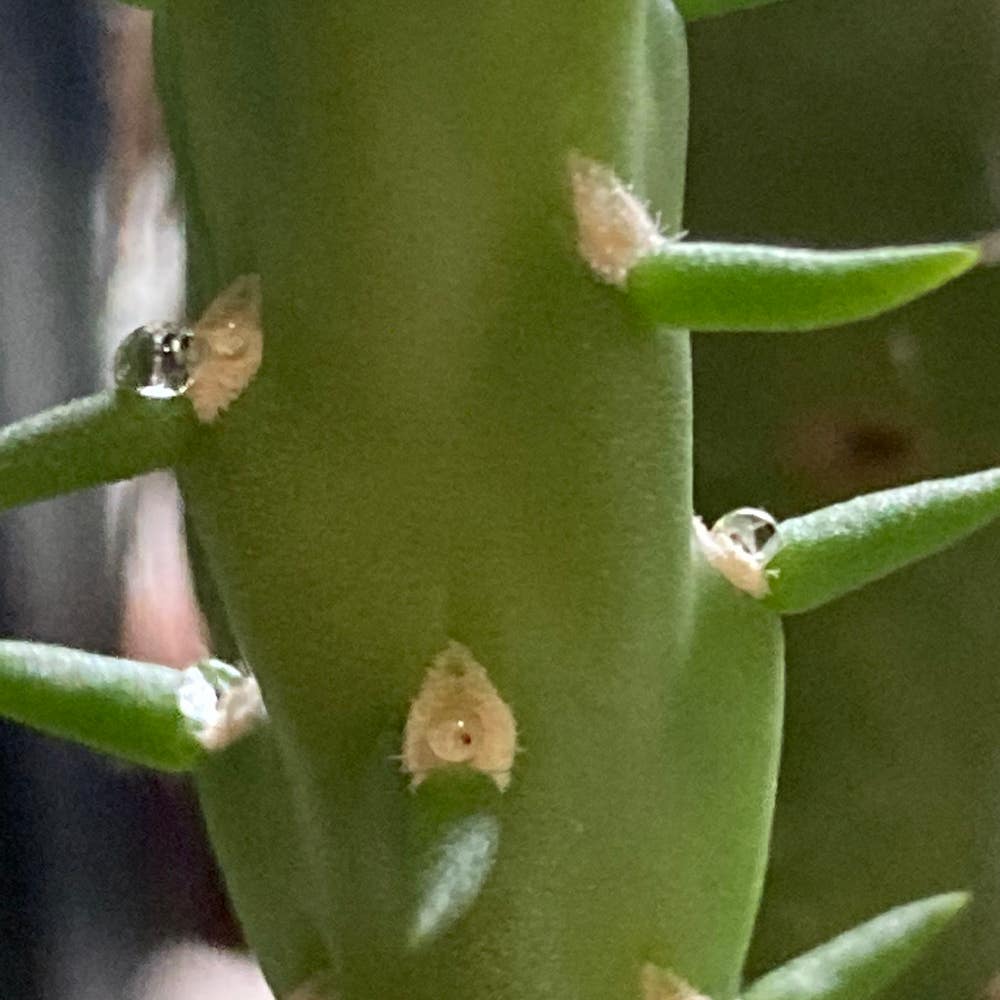
Your Boxing Glove Cactus won't shoot you an email when it's peckish for nutrients. Look out for new spines or buds, a telltale sign it's ready for a snack. These growth spurts typically happen in spring and summer, aligning with the cactus's natural growth cycle.
📅 Calendar Check: Best Seasons for Fertilizer Boosts
Spring is your starting gun; as the first shoots appear, it's time to fertilize. This early boost propels growth and sets the stage for vibrant blooms. Continue feeding through summer, aligning with the plant's active phase to sustain flower quality. But as autumn leaves start to fall, it's time to taper off; your cactus is winding down, not gearing up. During winter, your cactus is basically binge-watching Netflix—it's dormant season. Hold off on the fertilizer; it's not going to do anything but take up space.
For indoor plants, the controlled environment might mean less frequent feedings. Outdoor succulents, on the other hand, revel in the elements and may demand more frequent meals. Remember, your cactus's health hinges on the balance of nutrients, not the quantity. Keep an eye out for these signs—your prickly friend depends on it.
The Art of Fertilizing: Techniques and Tips
💡 Step-by-Step: Fertilizing Without Harming
Less is more when it comes to fertilizing your Boxing Glove Cactus. Overzealous feeding can lead to nutrient burn, so start with a diluted solution and apply it directly to the soil, avoiding the foliage. Use a syringe or a small measuring device to ensure you're not going overboard.
Safety first: always wear gloves and a mask when handling synthetic fertilizers to avoid any unwanted chemical souvenirs. When using granular types, scatter them evenly around the plant's base but keep a respectful distance from the stem. For liquid gold, aim for a gentle, even application to the soil.
💡 Fine-Tuning: Adjusting Fertilization for Optimal Growth
If your cactus starts throwing a fit—yellowing leaves, stunted growth—it's time to scale back. Conversely, if it's thriving, you might consider a modest increase in the nutrient party.
Monitor and adjust: keep a keen eye on your plant's response after each feeding session. It's not about sticking to a rigid schedule; it's about responding to your cactus's performance. If you notice signs of distress, flush the soil with water to dilute any excess fertilizer. Remember, it's a dinner party at the roots, not a free-for-all buffet.
Dodging the Over-Fertilization Punch
🚫 Spotting Trouble: Symptoms of Too Much Love
Over-fertilization is like a buffet gone wrong—your Boxing Glove Cactus can only handle so much. Yellow leaves with dark green veins are a cry for help, not a fashion statement. Brown tips or edges? That's your cactus telling you it's had enough. A white crust on the soil isn't a trendy decoration; it's a salt buildup from too much fertilizer. And if your cactus's growth has stalled, you've likely been a bit too generous with the nutrient love.
💊 Recovery Tactics: Fixing Fertilizer Fumbles
Caught in the act of over-fertilization? First, stop fertilizing—your cactus needs a break, not a buffet. Flush the soil with water to wash away excess nutrients; think of it as hitting the reset button. Ensure proper drainage to avoid soggy soil syndrome. Hold off on the next feed until your cactus shows signs of recovery. Going forward, remember that less is more. Adjust your fertilization routine, and keep an eye out for new growth—it's the green light that your cactus is ready for a carefully measured return to its feeding schedule.
⚠️ Safety First
This content is for general information and may contain errors, omissions, or outdated details. It is not medical, veterinary advice, or an endorsement of therapeutic claims.
Always consult a qualified healthcare professional before using any plant as food, medicine, or supplement.
Never eat any plant (or feed one to pets) without confirming its identity with at least two trusted sources.
If you suspect poisoning, call Poison Control (800) 222-1222, the Pet Poison Helpline (800) 213-6680, or your local emergency service immediately.
Spotted an error? Please report it here.
Ensure your Boxing Glove Cactus thrives with optimal blooms 🌼 by using Greg to tailor fertilization schedules and select the perfect nutrients.