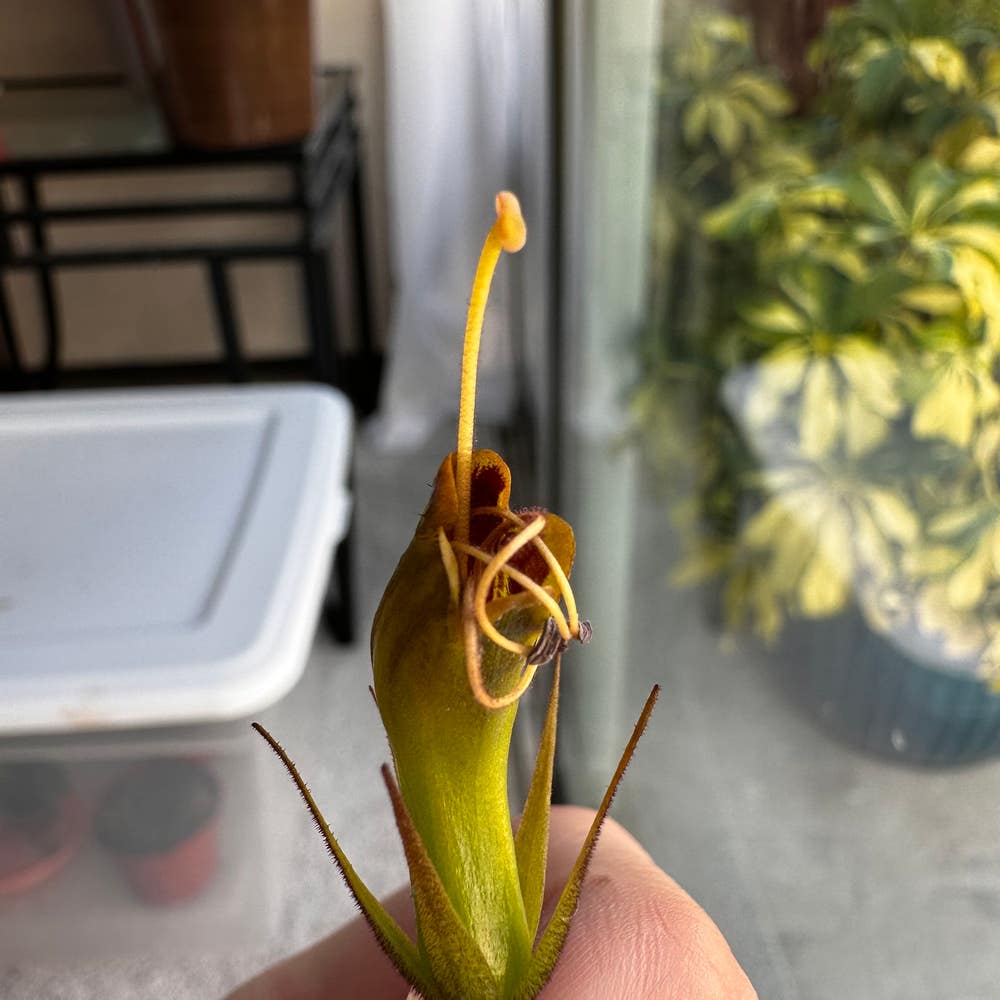
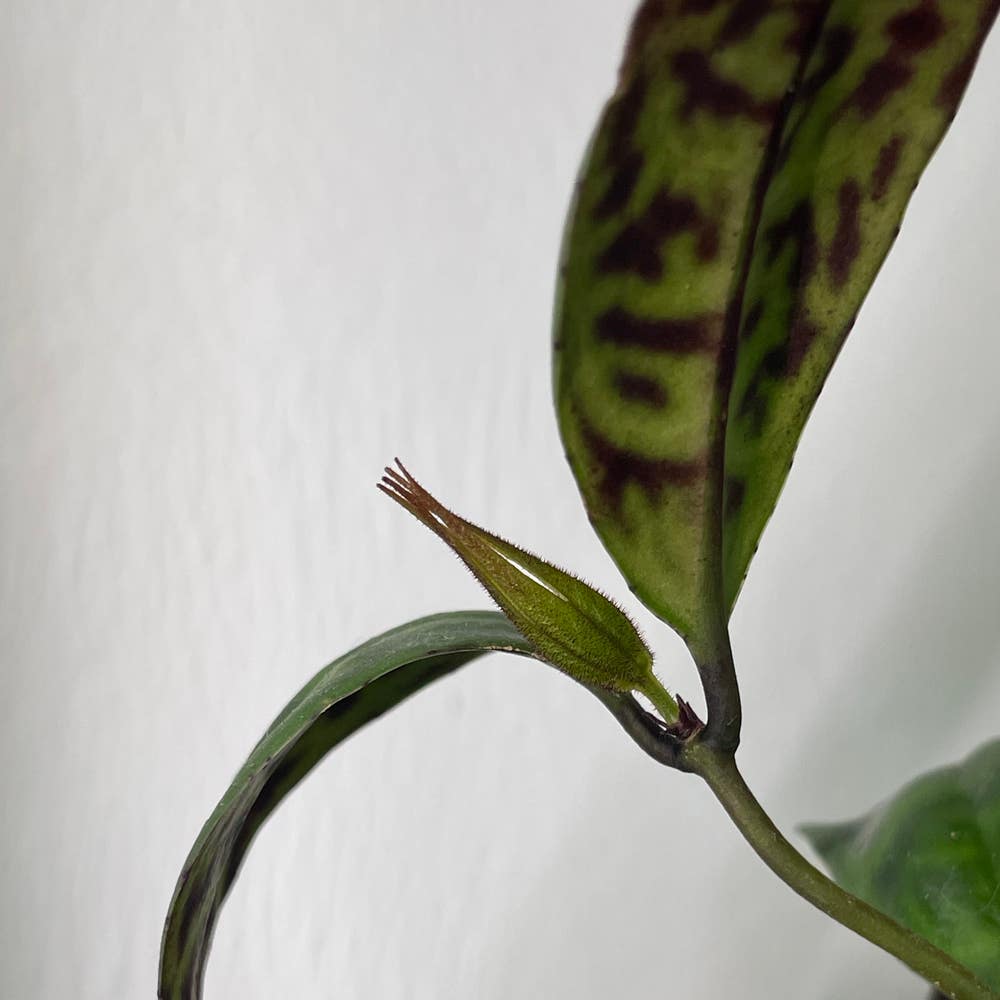
When to Plant Your Black Pagoda Lipstick Plant 🏯
Aeschynanthus longicaulis 'Black Pagoda'
By the Greg Editorial Team
Nov 26, 2024•3 min read
This article was created with the help of AI so we can cover more plants for you. May contain errors. See one? Report it here.
Unlock the secret to thriving Black Pagoda Lipstick Plants 🌱 by mastering the perfect planting timing for your region! 🌍
- 🌱 Plant after the last frost date to prevent cold damage to your Black Pagoda.
- 📅 Ideal planting months vary by region; check local guidelines for best timing.
- 🌡️ Soil temperature and moisture are crucial for successful planting and growth.
Timing for Planting
Understanding when to plant your Black Pagoda Lipstick Plant is crucial for its success. Key factors include frost dates, soil temperature, and day length, all of which play a significant role in determining the optimal planting time.
❄️ Frost Dates
Frost dates are essential indicators for gardeners. They consist of the last spring frost date and the first fall frost date, marking the safe window for planting.
It's best to plant your Black Pagoda Lipstick Plant after the last frost date in your area. This ensures that your plants won't be damaged by unexpected cold snaps.
📅 Ideal Planting Months by Region
Different regions have varying climates, affecting the best planting months:
- Florida: March to April; warm temperatures and minimal frost risk.
- California: March to May; varied microclimates may affect timing.
- Texas: April to May; monitor local frost dates closely.
- New York: Late May to early June; ensure all frost risks have passed.
- Colorado: June; short growing season; wait for soil to warm adequately.
- Ohio: Late May to early June; similar to New York; avoid frost risks.
Knowing these regional specifics can help you plan your planting effectively.
🌱 Seed Starting Techniques
Indoor Seed Starting vs. Direct Sowing
Indoor seed starting offers several advantages, such as an extended growing season and better control over environmental conditions.
For best results, use seed trays filled with a quality seed-starting mix to give your plants a strong start.
⏰ Timing Considerations for Starting Seeds Indoors
Start your seeds indoors about 6-8 weeks before the last frost date. This timing allows your plants to be ready for transplanting when conditions are favorable.
🌾 Best Practices for Direct Sowing
For direct sowing, wait until after the last frost date when soil temperatures are optimal. This ensures that your seeds have the best chance of germinating and thriving.
🌍 Factors Influencing Planting Timing
Climate Zones and Their Impact on Planting
Understanding USDA Plant Hardiness Zones is vital for determining the right planting time. These zones help you gauge your local climate and its suitability for various plants.
🌦️ Seasonal Variations Across the US
Seasonal changes can significantly impact planting times. Different regions experience varying weather patterns, which can affect when it's safe to plant.
🔍 Specific Environmental Factors to Monitor
Keep an eye on soil moisture levels and weather patterns. These factors can influence not only when to plant but also how well your plants will grow.
📋 Comprehensive Planting Guide
List of All 52 States and Optimal Planting Times
A comprehensive table detailing the best planting months for each state can be incredibly helpful. This resource allows you to quickly find the optimal time for your region.
📝 Summary of Key Factors for Successful Planting
In summary, remember that frost dates, soil temperature, and day length are critical for successful planting. Keeping these factors in mind will set you up for a thriving Black Pagoda Lipstick Plant.
With this knowledge, you're well-equipped to make informed planting decisions. Next, let’s dive into specific seed starting techniques to help you nurture your plants from the very beginning.
⚠️ Safety First
This content is for general information and may contain errors, omissions, or outdated details. It is not medical, veterinary advice, or an endorsement of therapeutic claims.
Always consult a qualified healthcare professional before using any plant as food, medicine, or supplement.
Never eat any plant (or feed one to pets) without confirming its identity with at least two trusted sources.
If you suspect poisoning, call Poison Control (800) 222-1222, the Pet Poison Helpline (800) 213-6680, or your local emergency service immediately.
Spotted an error? Please report it here.
Maximize your Black Pagoda Lipstick Plant's growth potential by planting it at the perfect time ⏰, and let Greg guide you with personalized frost date reminders and tailored care tips for thriving success!