Identifying What is Eating Your Black Pagoda Lipstick Plant 🐞
Aeschynanthus longicaulis 'Black Pagoda'
By the Greg Editorial Team
Nov 26, 2024•7 min read
This article was created with the help of AI so we can cover more plants for you. May contain errors. See one? Report it here.
Safeguard your beautiful Black Pagoda Lipstick Plant 🌺 from herbivores and cultivate a thriving garden ecosystem!
- 🌼 Black Pagoda Lipstick Plant attracts herbivores due to its tender shoots and flowers.
- 🦌🐇 Common threats include deer, rabbits, and squirrels; learn to identify their signs.
- 🚫 Effective deterrents like repellents and fencing can protect your plant from damage.
Appearance and Appeal
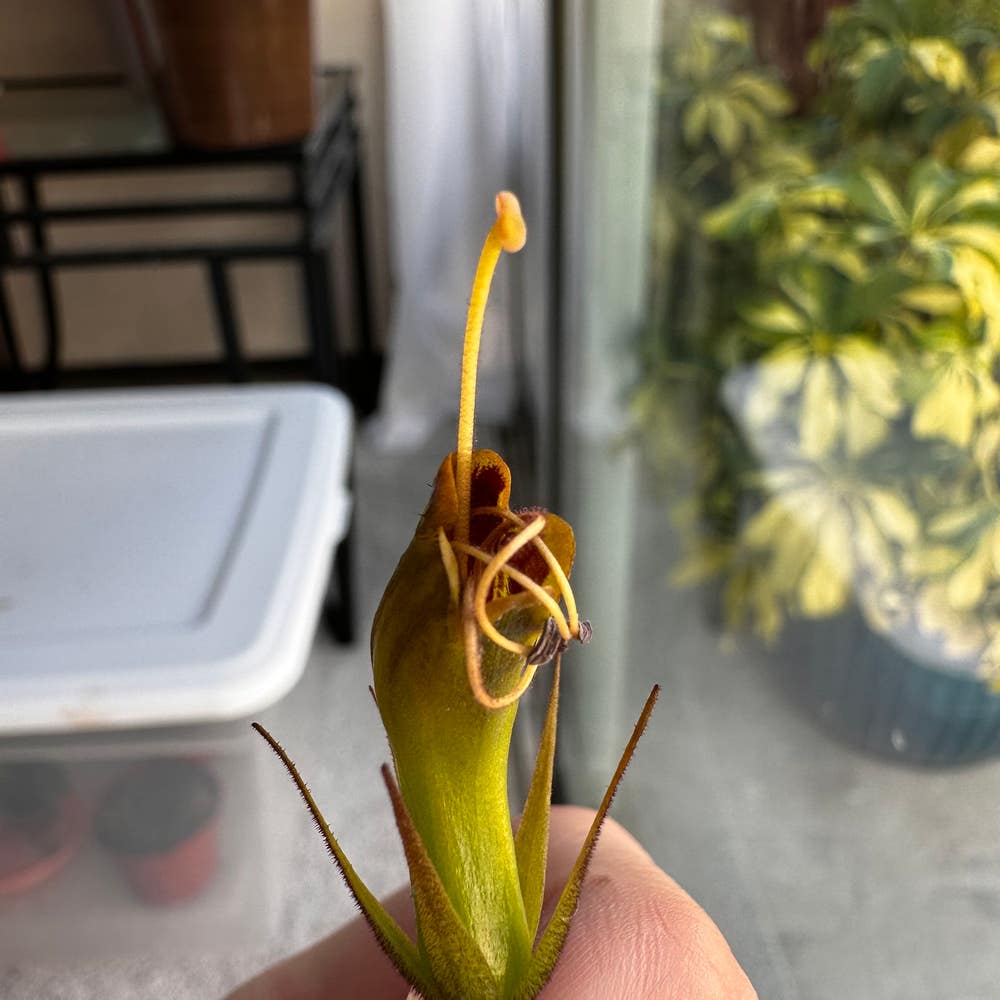
The Black Pagoda Lipstick Plant is a true showstopper in any garden. Its striking tubular flowers bloom in vibrant colors, creating a visual feast that draws the eye and enlivens any space.
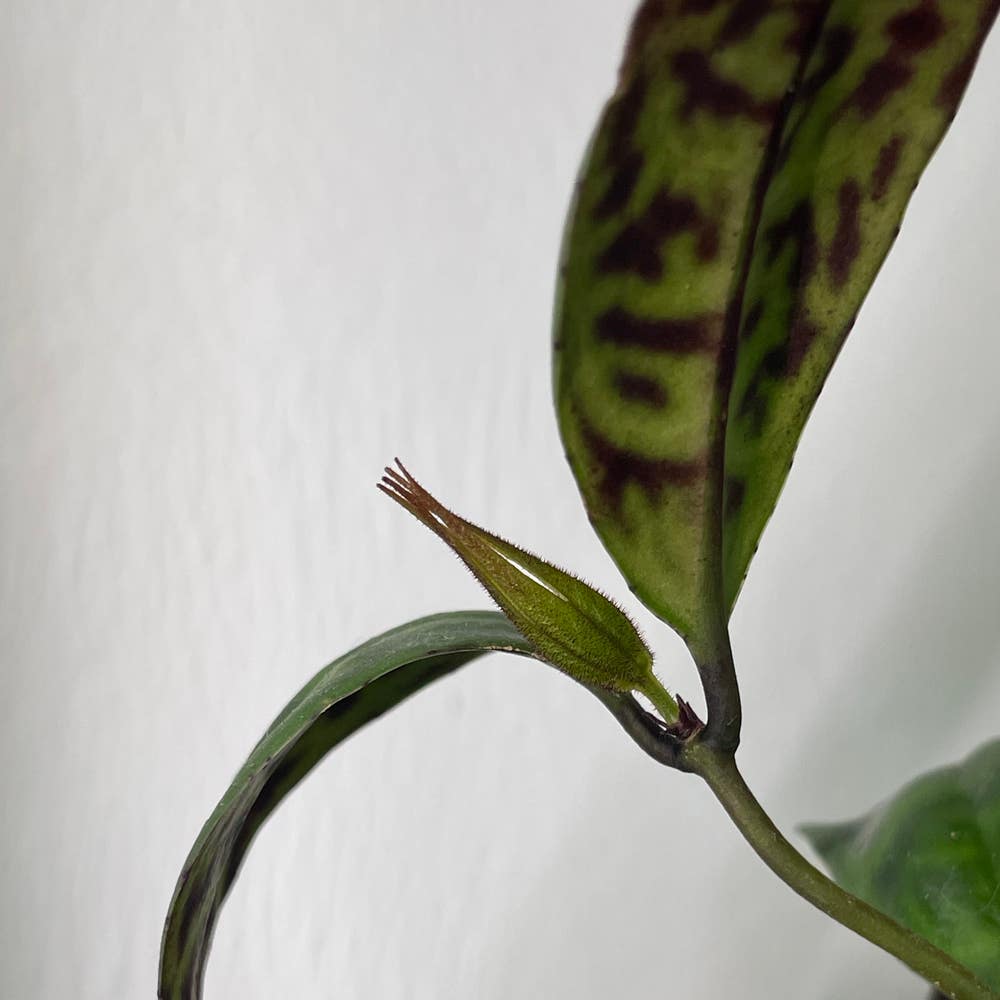
Complementing these flowers are glossy, dark green leaves that provide a lush backdrop. This plant's growth habit is particularly appealing, as it can trail or climb, making it perfect for hanging baskets or cascading over shelves.
🐾 Most Appealing Parts to Animals
Several parts of the Black Pagoda Lipstick Plant attract herbivores. Young shoots are especially enticing due to their tender texture and high moisture content, making them a prime target for hungry critters.
The bright flowers are not just a treat for the eyes; their nectar also lures various herbivores. If the plant produces fruits, their sweetness and moisture can further attract animals looking for a tasty snack.
In summary, the Black Pagoda Lipstick Plant's beauty is matched by its appeal to wildlife, which can lead to challenges in maintaining its health. Understanding these dynamics is crucial for any gardener looking to protect this stunning plant while enjoying its vibrant presence.
Next, we will explore the common herbivores that may pose a threat to your Black Pagoda Lipstick Plant and how to identify their signs.
Common Herbivores and Their Impact
🦌 Deer
Signs of presence and damage caused
Deer can be a significant threat to your Black Pagoda Lipstick Plant. Look for hoof prints in the soil around the plant and signs of browsing, such as stripped leaves and broken stems.
Beneficial vs. harmful interactions
While deer may seem like a picturesque addition to your garden, they are generally harmful. If left unmanaged, they can decimate plant populations, leaving your garden looking bare.
Deterrent methods
To keep deer at bay, consider using chemical deterrents like commercial deer repellents. Alternatively, you can plant deer-resistant companion plants or use human hair and soap shavings as organic deterrents.
🐇 Rabbits
Signs of presence and damage caused
Rabbits are another common herbivore that can wreak havoc on your plants. Look for small, round droppings near the plant and clipped stems and leaves, which they often chew at a 45-degree angle.
Beneficial vs. harmful interactions
Rabbits are generally harmful to your garden. Their feeding habits can lead to significant plant damage, making it crucial to manage their presence.
Deterrent methods
For an easy solution, try using bitter-tasting sprays as chemical deterrents. Organic methods like fencing that is 2-3 feet high or using cayenne pepper can also help keep rabbits away.
🐿️ Squirrels
Signs of presence and damage caused
Squirrels can be quite destructive, leaving behind chewed leaves and stems with jagged edges. They may also take twigs and leaves from your plant for nesting materials.
Beneficial vs. harmful interactions
Like deer and rabbits, squirrels are generally harmful. Their activities can lead to significant foliage loss, impacting the overall health of your plant.
Deterrent methods
To deter squirrels, consider using commercial squirrel repellents as a chemical option. Organic methods such as motion-activated sprinklers or noise deterrents can also be effective.
🐦 Birds
Signs of presence and damage caused
Birds can have mixed interactions with your plants. Look for pecked leaves and flowers, often with missing petals, as well as nesting behavior where they remove twigs and leaves.
Beneficial vs. harmful interactions
While some birds help control pests, others can damage your foliage. This makes their presence a double-edged sword in the garden.
Deterrent methods
To protect your plants, use bird-safe repellents as a chemical deterrent. Alternatively, you can employ organic methods like reflective tape or garden decoys to scare birds away.
🐭 Rodents (mice, voles, etc.)
Signs of presence and damage caused
Rodents can be particularly damaging to your Black Pagoda Lipstick Plant. Look for tunnels or burrows near the plant base and gnawed roots and stems, which can lead to instability.
Beneficial vs. harmful interactions
Rodents are generally harmful and can severely affect plant health. Their presence can compromise the integrity of your garden.
Deterrent methods
For chemical deterrents, rodent poisons can be effective but should be used with caution. Organic methods include traps and natural repellents like peppermint oil.
🦡 Groundhogs/Woodchucks
Signs of presence and damage caused
Groundhogs, or woodchucks, can cause significant damage to your plants. Look for large burrows near the plant and signs of entire plants being uprooted or eaten.
Beneficial vs. harmful interactions
These animals are generally harmful and can devastate garden areas if not managed properly. Their appetite for your plants can lead to a garden disaster.
Deterrent methods
To deter groundhogs, consider using commercial repellents as a chemical option. For an organic approach, fencing that is at least 3 feet high and buried underground can be effective.
Understanding the impact of these common herbivores is crucial for maintaining the health of your Black Pagoda Lipstick Plant. By implementing the right deterrent methods, you can protect your garden and enjoy its beauty for years to come. Next, we'll explore the beneficial animals that can enhance your garden ecosystem.
Beneficial Animals and Ecosystem Impact
🐝 Attracting Pollinators
Your Black Pagoda Lipstick Plant isn't just a feast for herbivores; it also draws in beneficial animals. Pollinators like bees and butterflies are essential for flower fertilization, ensuring your plant thrives and produces vibrant blooms.
🦗 The Role of Predatory Insects
In addition to pollinators, predatory insects such as ladybugs and lacewings play a crucial role in maintaining your garden's health. These beneficial insects help control pest populations, keeping harmful herbivores at bay.
🌱 Enhancing Biodiversity
The presence of these beneficial animals leads to enhanced biodiversity in your garden. A diverse ecosystem not only supports various species but also improves pollination rates, resulting in healthier plants and more abundant flowers.
🐞 Natural Pest Control
With beneficial insects around, you can enjoy natural pest control without resorting to chemical solutions. This balance fosters a healthier garden environment, allowing your Black Pagoda Lipstick Plant to flourish while minimizing the impact of unwanted pests.
🌼 Conclusion
By attracting beneficial animals, your garden becomes a thriving ecosystem. Embracing these natural allies not only supports your plants but also enriches the overall garden experience, paving the way for a vibrant and sustainable environment.
Next, let’s explore some general protection strategies to safeguard your Black Pagoda Lipstick Plant from potential threats.
General Protection Strategies
🛡️ Preventive Measures for Protecting the Plant
To keep your Black Pagoda Lipstick Plant safe, consider planting it in protected areas. Barriers like fences or companion planting can effectively deter herbivores.
Regular monitoring is essential. Check for signs of herbivore activity, such as tracks or damaged leaves, to catch any issues early.
⚠️ Reactive Solutions for Managing Animal Interactions
If you notice damage, respond immediately. Using traps or repellents can help mitigate the impact of hungry animals.
For long-term protection, think about adjusting your planting locations or choosing more resilient plant varieties. This proactive approach can save you time and effort down the line.
🌱 Seasonal Variations in Animal Attraction
Be aware of seasonal changes in animal behavior. In spring, rabbits and deer become more active as they seek fresh growth, making your plants particularly vulnerable.
As fall approaches, squirrels ramp up their activity, gathering food for winter. This is another time to be vigilant and protect your plants.
☠️ Toxicity and Ecological Considerations
Your Black Pagoda Lipstick Plant has mild toxicity, which can deter some herbivores. However, not all animals will be affected, so it's crucial to remain observant.
It's important to acknowledge the role of herbivores in the ecosystem. While managing their impact on your plants, consider strategies that foster a healthy garden environment, supporting both plant health and wildlife interactions.
By taking these steps, you can create a thriving garden that balances beauty and biodiversity.
⚠️ Safety First
This content is for general information and may contain errors, omissions, or outdated details. It is not medical, veterinary advice, or an endorsement of therapeutic claims.
Always consult a qualified healthcare professional before using any plant as food, medicine, or supplement.
Never eat any plant (or feed one to pets) without confirming its identity with at least two trusted sources.
If you suspect poisoning, call Poison Control (800) 222-1222, the Pet Poison Helpline (800) 213-6680, or your local emergency service immediately.
Spotted an error? Please report it here.
Safeguard your Black Pagoda Lipstick Plant 🌺 from herbivores with Greg's personalized tips and reminders, ensuring your garden flourishes beautifully!