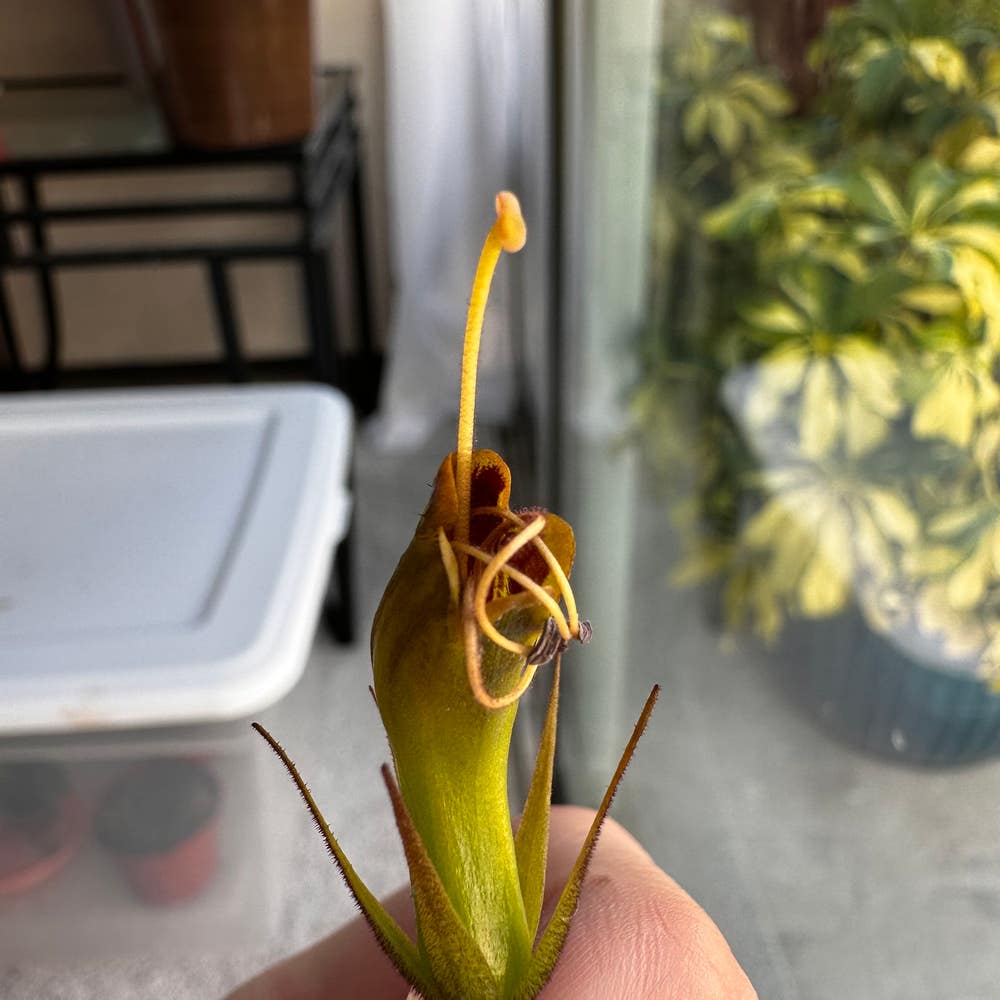
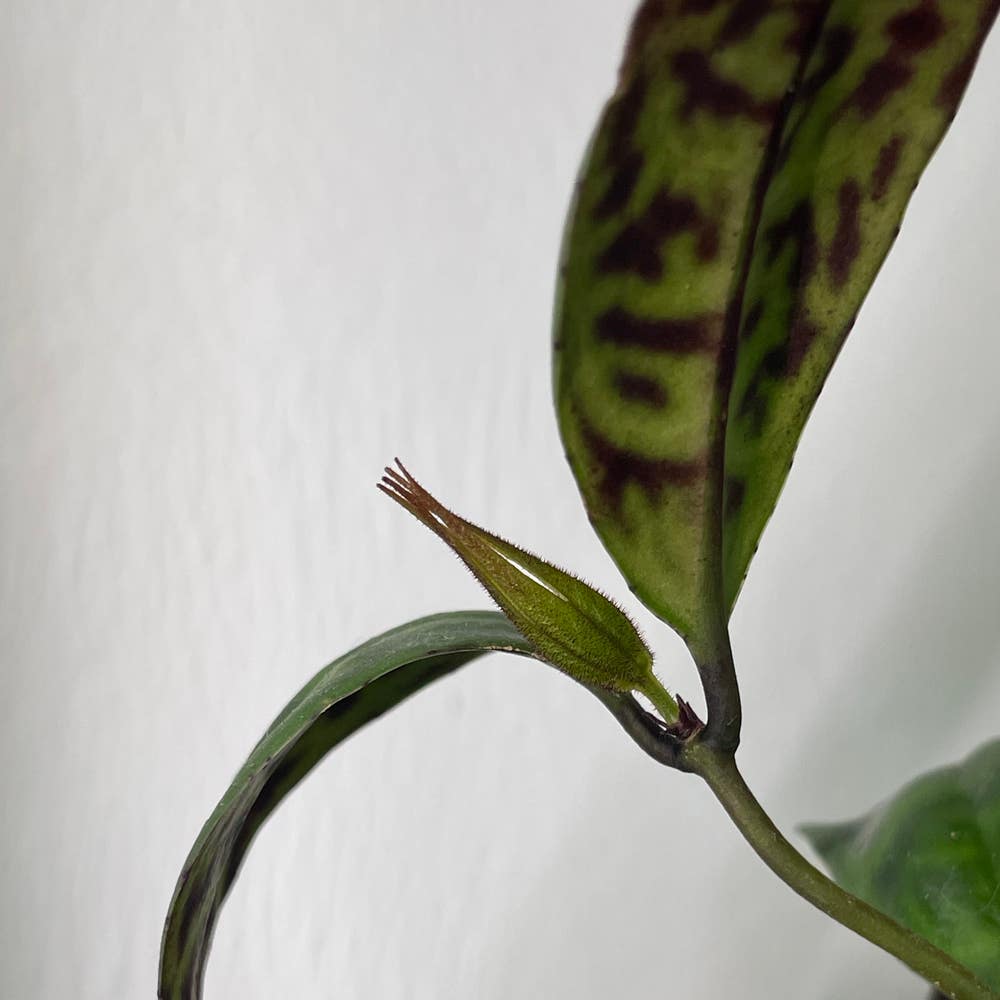
4 Outdoor Care Hacks for Black Pagoda Lipstick Plant 💄
Aeschynanthus longicaulis 'Black Pagoda'
By the Greg Editorial Team
Nov 26, 2024•6 min read
This article was created with the help of AI so we can cover more plants for you. May contain errors. See one? Report it here.
Unlock the vibrant beauty of the Black Pagoda Lipstick Plant 🌱 with essential care tips for thriving growth!
- 🌞 Black Pagoda Lipstick Plant needs 4-6 hours of sunlight for optimal growth.
- 💧 Water weekly, adjusting for heat and humidity to prevent wilting or rot.
- 🐛 Manage pests like aphids with neem oil to keep your plant healthy.
Sunlight and Location
Ideal Sunlight Conditions 🌞
The Black Pagoda Lipstick Plant thrives best in full sun to partial shade. For vibrant foliage, aim for 4-6 hours of direct sunlight daily.
Choosing the Right Location 🏡
When selecting a location, consider the proximity to structures, trees, and other plants. Ensuring good airflow is crucial to prevent fungal diseases and promote healthy growth.
By positioning your plant wisely, you can create an environment that supports its vibrant beauty. This attention to detail will pay off in lush, thriving foliage.
Next, let’s explore the watering requirements to keep your Black Pagoda Lipstick Plant flourishing.
Watering Requirements
Determining Watering Needs 🌊
Understanding your Black Pagoda Lipstick Plant's watering needs is crucial for its health. Start by checking the soil moisture; you can use the finger test or a moisture meter to gauge how dry the soil is.
As a general guideline, water your plant once a week. However, be prepared to adjust this frequency based on weather conditions, such as increased heat or humidity.
Signs of Overwatering and Underwatering 🚰
Recognizing the signs of overwatering is essential to prevent damage. Look for yellowing leaves, mushy stems, and root rot as clear indicators that your plant is getting too much water.
On the flip side, underwatering can also harm your plant. Signs include wilting leaves, dry soil, and stunted growth, all of which signal that your plant is thirsty and needs a drink.
By keeping an eye on these signs, you can ensure your Black Pagoda Lipstick Plant thrives in its outdoor environment. Transitioning to the next topic, let's explore the best soil types and fertilization practices to support your plant's growth.
Soil and Fertilization
Best Soil Types 🌱
For your Black Pagoda Lipstick Plant to thrive, well-draining soil is crucial. This prevents root rot, which can be a common issue if the roots sit in waterlogged conditions.
A recommended soil mix is equal parts potting soil, perlite, and peat moss. This combination ensures good aeration and moisture retention, creating an ideal environment for healthy root development.
Fertilization Schedule 🗓️
Fertilizing your plant every 4-6 weeks during the growing season will help it flourish. This regular feeding supports vibrant growth and lush foliage.
Opt for a balanced NPK fertilizer, such as a 10-10-10 blend, or consider organic options for a more natural approach. Both choices will provide essential nutrients, promoting overall plant health.
With the right soil and fertilization practices, your Black Pagoda Lipstick Plant will be well-equipped to thrive outdoors. Next, let’s explore the best planting options to maximize its growth potential.
Planting Options
Container vs. In-Ground Planting 🌱
When deciding between container and in-ground planting for your Black Pagoda Lipstick Plant, consider the unique benefits and drawbacks of each option. Container planting offers mobility, allowing you to easily move your plant to optimize sunlight exposure or protect it from harsh weather. Plus, you have greater control over soil quality, ensuring your plant thrives in the best conditions.
However, container planting does come with limitations. The restricted root space can hinder growth, making it essential to choose an appropriately sized pot and monitor watering closely.
On the other hand, in-ground planting provides ample space for your plant to spread its roots and grow vigorously. This option can lead to a more robust plant overall, as it can access natural nutrients from the surrounding soil.
Yet, in-ground planting has its own challenges. You may have less control over soil conditions, which can lead to issues like poor drainage or nutrient deficiencies.
Ultimately, the choice between container and in-ground planting depends on your gardening goals and the specific conditions of your outdoor space. Consider your lifestyle and the environment to make the best decision for your Black Pagoda Lipstick Plant.
As you weigh your options, keep in mind the importance of proper care and maintenance, which will be crucial regardless of your planting choice. Let's explore how to protect your plant from weather extremes and pests next.
Protection from Weather and Pests
🌧️ Weather Protection Strategies
Protecting your Black Pagoda Lipstick Plant from extreme weather is crucial for its health. For frost protection, consider using frost cloths or simply bringing your containers indoors when temperatures drop.
During scorching heat, providing shade is essential. Ensure your plant receives adequate watering to combat the stress of high temperatures.
🐞 Managing Outdoor Pests
Outdoor pests can be a nuisance for your plants. Common culprits include aphids, spider mites, and mealybugs, which can quickly damage your foliage.
To manage these pests effectively, consider using neem oil or insecticidal soap. You can also introduce beneficial insects, like ladybugs, which naturally prey on these pests.
🦠 Disease Prevention
Keeping your plant healthy means being vigilant about diseases. Common issues include root rot, leaf spot, and powdery mildew, which can hinder growth and vitality.
To prevent these diseases, practice proper watering techniques and ensure good air circulation around your plant. Opting for disease-resistant varieties can also provide an extra layer of protection.
With these strategies in place, your Black Pagoda Lipstick Plant will thrive despite the challenges posed by weather and pests. Next, let’s explore how to adjust your care routine with the changing seasons.
Seasonal Care
Adjusting Care for Seasonal Changes 🌱
Caring for your Black Pagoda Lipstick Plant varies with the seasons. In spring, focus on fertilization to kickstart growth and consider repotting if the plant has outgrown its container.
As summer rolls in, increase your watering routine and keep a close eye out for pests. The heat can stress your plant, so ensure it stays hydrated and healthy.
When fall approaches, prepare your plant for cooler temperatures and potential frost. This might involve bringing container plants indoors or providing extra protection for those planted in the ground.
In winter, transition container plants indoors to shield them from the cold. For in-ground plants, apply mulch to insulate the roots and retain moisture.
Climate Zone Considerations 🌍
Understanding your climate zone is crucial for successful growth. In USDA zones 10-11, the Black Pagoda Lipstick Plant thrives as a perennial, while in cooler zones, it’s best treated as an annual.
For those in colder climates, consider utilizing microclimates—areas that are warmer than their surroundings. Protective coverings can also help shield your plant from harsh winter conditions.
With these seasonal care tips, your Black Pagoda Lipstick Plant will flourish year-round, adapting beautifully to its environment. Next, let’s explore how to protect your plant from weather extremes and pesky pests.
⚠️ Safety First
This content is for general information and may contain errors, omissions, or outdated details. It is not medical, veterinary advice, or an endorsement of therapeutic claims.
Always consult a qualified healthcare professional before using any plant as food, medicine, or supplement.
Never eat any plant (or feed one to pets) without confirming its identity with at least two trusted sources.
If you suspect poisoning, call Poison Control (800) 222-1222, the Pet Poison Helpline (800) 213-6680, or your local emergency service immediately.
Spotted an error? Please report it here.
Keep your Black Pagoda Lipstick Plant thriving all season long 🌱 with Greg's personalized watering reminders and expert care tips that make outdoor gardening a breeze!