My Black Pagoda Lipstick Plant's Light Needs
Aeschynanthus longicaulis 'Black Pagoda'
By the Greg Editorial Team
Jun 18, 2024•4 min read
This article was created with the help of AI so we can cover more plants for you. May contain errors. See one? Report it here.
Ensure your Black Pagoda thrives and blooms with these essential lighting tips! 🌿✨
- Partial shade outdoors prevents leaf scorch from intense sun.
- East or west-facing windows indoors; use curtains for diffused light.
- Seasonal light adjustments are key for health and vibrant flowers.
Best Spots for Your Black Pagoda Outdoors
⛅️ Partial Shade for Happy Leaves
Finding the ideal spot for your Black Pagoda outdoors is like picking the best seat at a concert – location is key. These plants need a partial shade haven to protect them from the midday sun's harsh spotlight. A location under a tree or beside a taller plant can provide the dappled sunlight they crave.
To shield your plant from the sun's intense solos, consider a protective screen or sheer curtain during peak hours. This can prevent the leaves from getting those unsightly brown autographs of sunburn.
⛅️ Moving with the Sun
As the seasons change, so should your plant's position. Adjusting the location of your Black Pagoda ensures it gets the right amount of light without getting scorched or starved.
Watch for signs like faded color or elongated stems, which scream, "I need more light!" Conversely, brown, crispy patches are the plant's way of saying it's had too much. It's a delicate dance, but with some attention, you'll keep your Black Pagoda in the limelight without any drama.

Setting Up the Perfect Indoor Light Environment
🌅 Window Wisdom
East or west-facing windows are the sweet spots for your Black Pagoda Lipstick Plant. They offer a balanced buffet of morning or afternoon light without the harsh midday sun. But remember, direct sunlight is the enemy—think of it as the plant's kryptonite.
To manage light intensity, curtains or blinds are your allies. They're like sunglasses for your plant, providing a filter against the glaring rays. Use them to create a gentle, diffused light environment that keeps your Black Pagoda from frying.
💡 Grow Lights: Yay or Nay?
When sunlight is more precious than a good parking spot, grow lights come to the rescue. They're ideal during those gloomy months or if your living space is as light-deprived as a cave.
Full-spectrum LED grow lights mimic the sun without the UV burn. They're like a plant's personal sunlamp, giving it the light it craves without the risk of sunburn. Consider using them if your windows are as inadequate as a chocolate teapot for providing sunlight.

Light's Role in Getting Those Flowers to Pop
🌼 Timing and Intensity
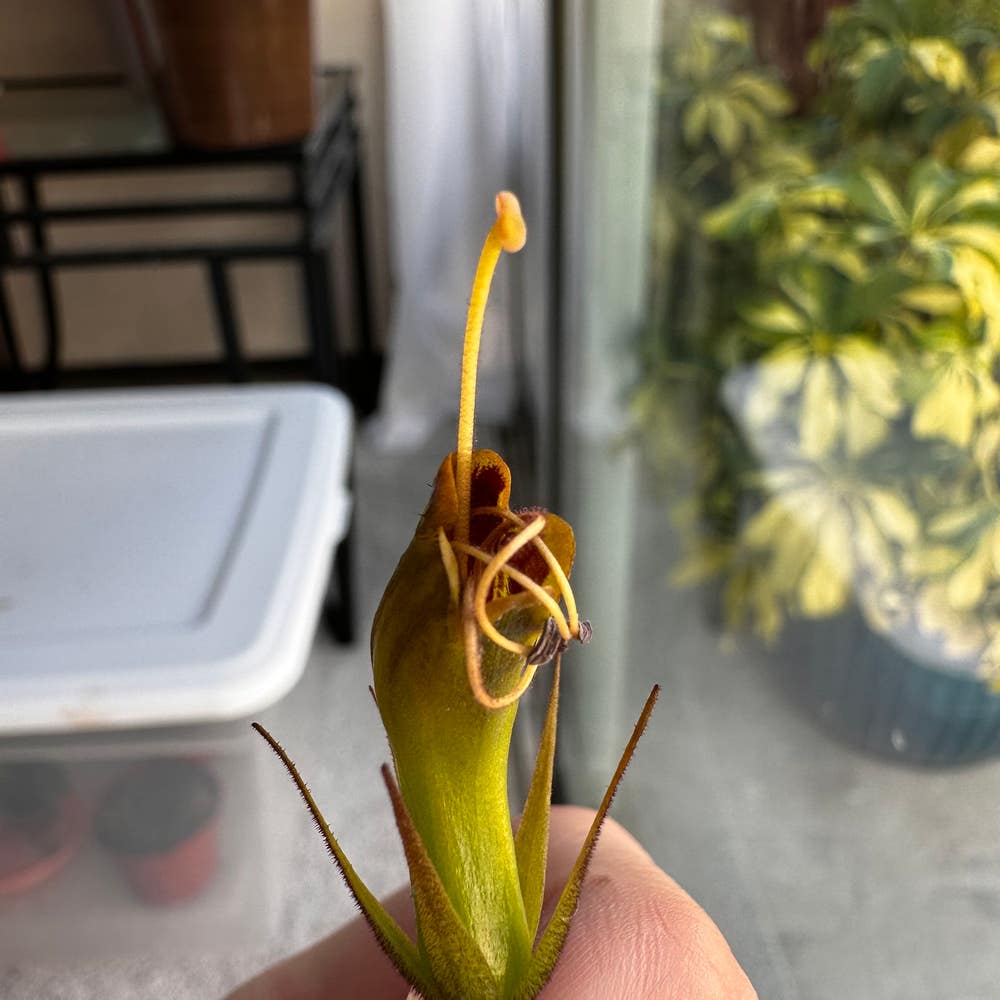
Bright, indirect light is akin to a VIP pass for your Black Pagoda Lipstick Plant's flowering show. It's less about the spotlight and more about the perfect ambient glow that coaxes the blooms out.
Adjusting light to match the plant's natural flowering cycles can be the difference between a floral fiesta and a bloom bust. Think of it as the plant world's version of setting the mood—just right, and the flowers can't help but make an appearance.
🌸 Adjusting Light for Flower Encouragement
To get those flowers popping, you might need to play with light duration. It's like a plant's daily caffeine dose—too little and it's lethargic, too much and it's overstimulated. Aim for that sweet spot.
Remember, more light isn't always better. Crank it up too high and you risk a stressed-out plant with a case of the botanical blues. Keep it balanced to encourage a healthy, blooming spectacle.

Light Care Throughout the Seasons
🌞 Seasonal Adjustments for Optimal Light
Navigating the ebb and flow of seasons, your Black Pagoda Lipstick Plant demands a savvy light strategy.
☀️ Summer vs. Winter Light Care
In the summer, your plant is like a sunbather—loving the light but hating the burn. Partial shade is your friend, preventing leaf scorch. Come winter, it's a different game. Your plant craves those rare rays like a cat chasing sunspots. Shift it closer to the light source, but don't let it get too chilly by the window.
🌱 Recognizing and Adapting to Seasonal Light Changes
Your plant's leaves are like mood rings, changing to tell you what they need. Yellowing? Might be too much sun. Leggy growth? It's probably craving more. As days shorten or lengthen, tweak your plant's position to keep it in its happy place. Remember, it's not just about survival; it's about getting those vibrant flowers to show up and show off.
⚠️ Safety First
This content is for general information and may contain errors, omissions, or outdated details. It is not medical, veterinary advice, or an endorsement of therapeutic claims.
Always consult a qualified healthcare professional before using any plant as food, medicine, or supplement.
Never eat any plant (or feed one to pets) without confirming its identity with at least two trusted sources.
If you suspect poisoning, call Poison Control (800) 222-1222, the Pet Poison Helpline (800) 213-6680, or your local emergency service immediately.
Spotted an error? Please report it here.
Ensure your Black Pagoda thrives in the perfect light by using Greg's PlantVision 🌿 to measure and adjust its exposure, guaranteeing a vibrant bloom season after season.