6 Easy Ways to Pollinate Black Pagoda Lipstick Plant 🐝
Aeschynanthus longicaulis 'Black Pagoda'
By the Greg Editorial Team
Nov 26, 2024•6 min read
This article was created with the help of AI so we can cover more plants for you. May contain errors. See one? Report it here.
Unlock the secrets of the Black Pagoda Lipstick Plant's flowers 🌺 that attract essential pollinators for vibrant blooms! 🐝
- 🌼 Black Pagoda Lipstick Plant attracts bees and hummingbirds with its vibrant tubular flowers.
- 🌱 Self and cross-pollination enhance seed production and genetic diversity for plant resilience.
- 🐝 Creating a pollinator-friendly garden boosts pollination success and supports healthy ecosystems.
Flower Structure
Description of Characteristics 🌺
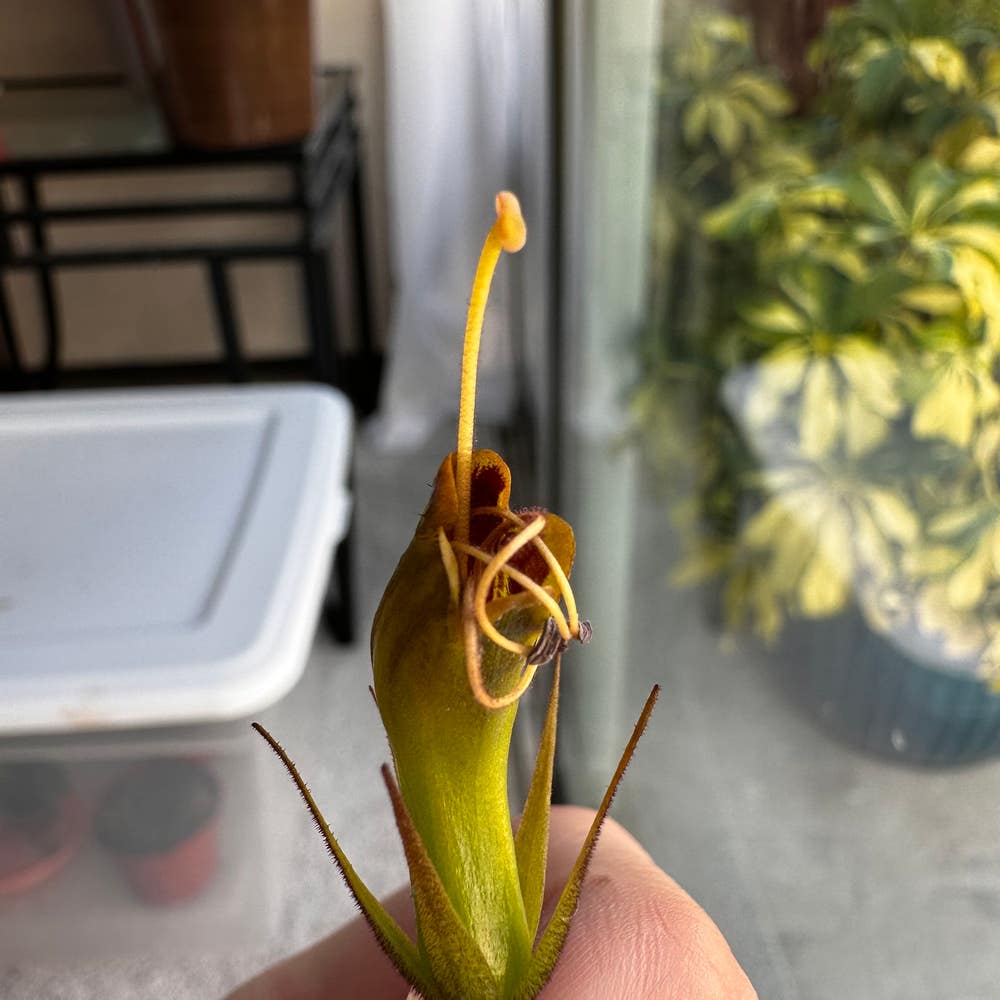
The Black Pagoda Lipstick Plant boasts stunning tubular, elongated flowers that are hard to miss. These vibrant blooms typically showcase shades of red, orange, or yellow, making them irresistible to specific pollinators.
The flowers are arranged in a raceme, which is a fancy way of saying they grow in a cluster along a single stem. This arrangement not only looks beautiful but also allows pollinators easy access to the nectar and pollen.
Role in Pollination 🐝
The tubular shape of these flowers is a clever adaptation that facilitates access for pollinators like bees and hummingbirds. These species are drawn to the shape, which perfectly fits their feeding habits.
Color plays a crucial role in attracting pollinators and signaling when the flowers are ready for pollination. The arrangement of petals, sepals, stamens, and pistils is designed to enhance both self-pollination and cross-pollination, ensuring the plant can reproduce effectively.
Understanding the flower structure of the Black Pagoda Lipstick Plant is essential for appreciating its unique pollination strategies. This knowledge sets the stage for exploring the pollination process in more detail, including self-pollination and the vital role of cross-pollination.
Pollination Process
Self-Pollination Explanation 🌼
The Black Pagoda Lipstick Plant has fascinating mechanisms for self-pollination. Its structure allows pollen to transfer from the anthers to the stigma within the same flower, ensuring reproduction even in the absence of pollinators.
Self-pollination offers significant benefits, including reliable seed production and the ability to thrive in less-than-ideal conditions. This adaptability can be crucial for survival in fluctuating environments.
Cross-Pollination Explanation 🌍
While self-pollination is effective, cross-pollination is essential for genetic diversity and overall plant health. This process introduces new genetic material, enhancing resilience against diseases and environmental stressors.
Key pollinators for the Black Pagoda Lipstick Plant include bees, butterflies, and hummingbirds. Each species plays a vital role in transferring pollen between flowers, promoting genetic variation.
Primary Pollinators and Their Interactions 🐝
Bees are often the most active pollinators, drawn to the plant's vibrant colors and sweet nectar. Their foraging habits ensure effective pollen transfer, which is crucial for successful fertilization.
Butterflies also contribute significantly, attracted by the bright flowers. They help in cross-pollination while adding beauty to the garden.
Hummingbirds, with their unique feeding habits, are particularly effective at reaching the tubular flowers. Their long beaks allow them to access nectar while simultaneously transferring pollen, making them indispensable for the plant's reproductive success.
Understanding these interactions highlights the importance of maintaining healthy pollinator populations. The Black Pagoda Lipstick Plant thrives when these species are present, ensuring a vibrant and diverse ecosystem.
As we explore further, we’ll look into natural pollination mechanisms that support these processes.
Natural Pollination Mechanisms
🌬️ Mechanisms of Pollen Transfer
Natural pollen transfer is a fascinating process that primarily involves wind and insect activity. In the case of the Black Pagoda Lipstick Plant, its tubular flowers are perfectly designed to facilitate this transfer, allowing pollinators easy access to the pollen.
The structure of these flowers plays a crucial role in effective pollen transfer. Their elongated shape not only attracts pollinators but also ensures that pollen is efficiently delivered to the stigma, enhancing the chances of successful fertilization.
🌱 Importance for Reproduction and Genetic Diversity
Successful pollination is vital for seed production and overall plant health. When pollination occurs, it leads to the formation of seeds, which are essential for the plant's lifecycle and propagation.
Moreover, genetic diversity resulting from cross-pollination strengthens the resilience of the Black Pagoda Lipstick Plant. This diversity helps the plant adapt to diseases and environmental changes, ensuring its survival and thriving in various conditions.
Understanding these natural mechanisms can inspire gardeners to create environments that support pollination, ultimately benefiting both the plants and the ecosystem.
Hand Pollination Techniques
Hand pollination can be a rewarding way to ensure the successful reproduction of your Black Pagoda Lipstick Plant. Here’s a straightforward guide to help you through the process.
Step 1: Identifying Male and Female Flower Parts 🌸
First, you need to recognize the male and female parts of the flower. The male parts include the anthers and stamens, while the female parts consist of the pistils and stigma.
Step 2: Collecting Pollen 🧹
Next, gather pollen from the anthers. Use a small brush or a cotton swab to gently collect the pollen, ensuring you have enough for effective transfer.
Step 3: Transferring Pollen 🔄
Now, it’s time to transfer the pollen. Carefully apply the collected pollen to the stigma of the female flower, ensuring good contact for successful fertilization.
Step 4: Timing for Successful Fertilization ⏰
Timing is crucial for optimal results. Perform hand pollination during the peak flowering periods when the flowers are most receptive.
By following these steps, you can enhance the chances of successful pollination and enjoy the vibrant blooms of your Black Pagoda Lipstick Plant.
Next, let’s explore how to create a pollinator-friendly environment to support these beautiful plants.
Supporting Pollinators
🌼 Creating a Pollinator-Friendly Environment
Designing a garden that attracts and supports pollinators is essential for the health of your Black Pagoda Lipstick Plant. Start by incorporating a variety of flowering plants that bloom at different times throughout the year. This ensures a continuous food source for pollinators.
Consider using native plants, as they are more likely to attract local pollinator species. Additionally, avoid using pesticides, which can harm beneficial insects. Providing habitats such as bee hotels or brush piles can also encourage pollinator visits.
🌱 Companion Plants
Companion planting can significantly enhance pollination success. Here are some recommended companion plants:
- Marigolds: Their bright colors attract bees and other pollinators.
- Lavender: Known for its fragrant blooms, it draws in butterflies and bees.
- Borage: This herb not only attracts pollinators but also improves the flavor of nearby plants.
These companion plants create a welcoming environment for pollinators by offering food and shelter. By diversifying your garden, you increase the chances of successful pollination for your Black Pagoda Lipstick Plant.
Creating a pollinator-friendly space not only benefits your plants but also supports the broader ecosystem. With the right strategies in place, you can foster a thriving garden that attracts a variety of pollinators.
Next, let’s explore the common challenges faced in pollination and how to overcome them effectively.
Pollination Challenges and Solutions
🌪️ Common Obstacles
Pollination success can be hindered by various environmental factors. Temperature fluctuations and high humidity levels can disrupt the delicate balance needed for effective pollination.
Additionally, the decline of pollinator species poses a significant challenge. Habitat loss and pesticide use have led to fewer bees, butterflies, and other essential pollinators, making it harder for plants like the Black Pagoda Lipstick Plant to reproduce.
🛠️ Solutions for Overcoming Challenges
To improve pollination success, consider implementing several strategies. Creating a diverse planting scheme with various flowering plants can attract a wider range of pollinators.
Maintaining optimal environmental conditions is crucial. Ensure that your plants receive adequate sunlight and moisture, as these factors significantly influence pollination rates.
🌍 Impact of Environmental Factors
Seasonal variations and climate change can dramatically affect the pollination process. Changes in temperature and precipitation patterns may alter the timing of flowering and the availability of pollinators.
Understanding these impacts allows gardeners to adapt their practices. By staying informed about environmental changes, you can better support your plants and their pollination needs, ensuring a thriving garden.
⚠️ Safety First
This content is for general information and may contain errors, omissions, or outdated details. It is not medical, veterinary advice, or an endorsement of therapeutic claims.
Always consult a qualified healthcare professional before using any plant as food, medicine, or supplement.
Never eat any plant (or feed one to pets) without confirming its identity with at least two trusted sources.
If you suspect poisoning, call Poison Control (800) 222-1222, the Pet Poison Helpline (800) 213-6680, or your local emergency service immediately.
Spotted an error? Please report it here.
Boost your Black Pagoda Lipstick Plant's pollination success 🌼 with Greg's tailored tips and reminders, ensuring a vibrant garden full of life and resilience!