4 Plants That Love Growing with Black Pagoda Lipstick Plant 💄
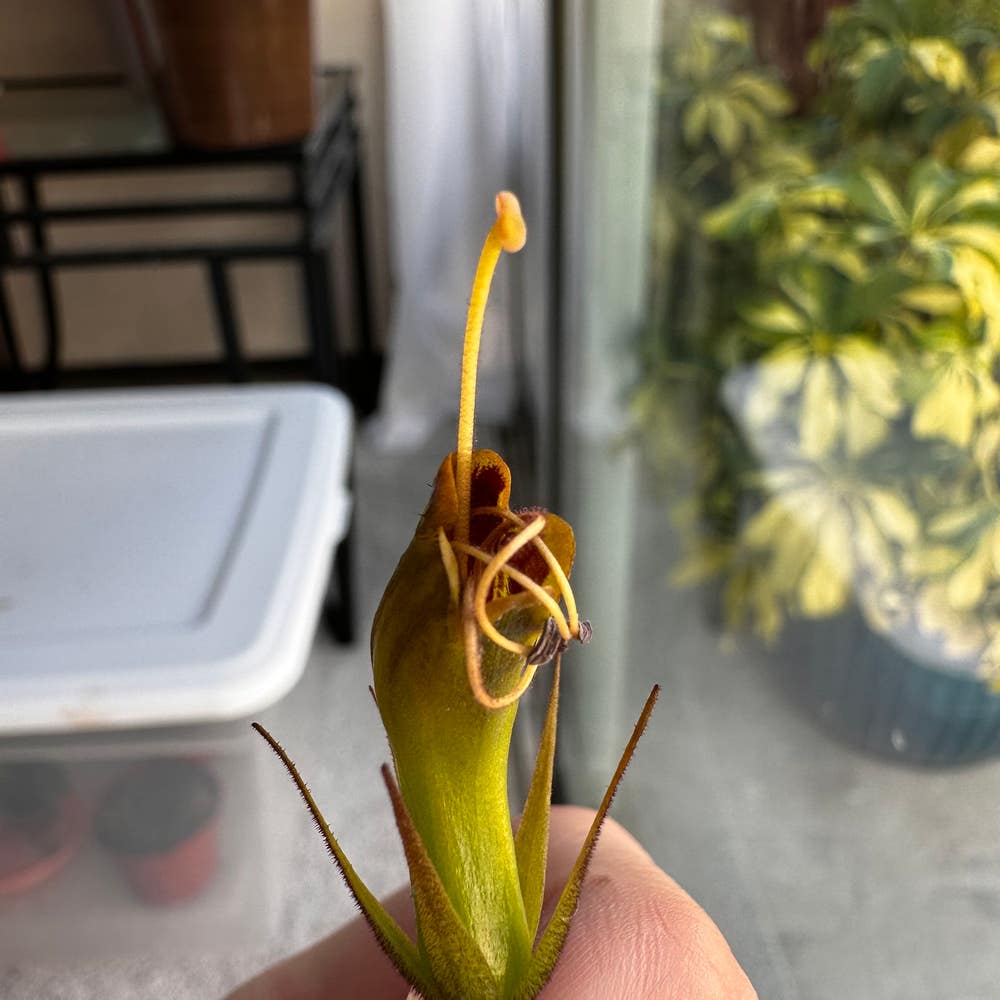
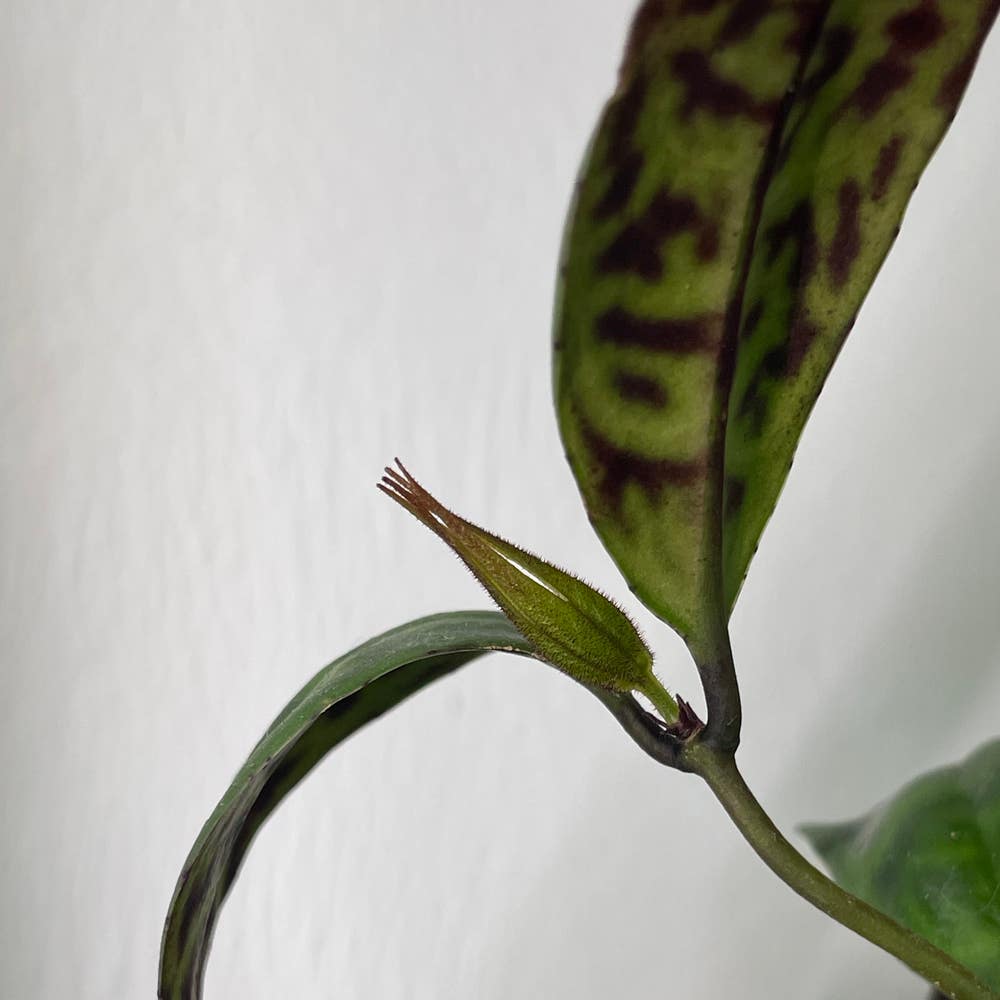
Aeschynanthus longicaulis 'Black Pagoda'
By the Greg Editorial Team
Nov 26, 2024•4 min read
This article was created with the help of AI so we can cover more plants for you. May contain errors. See one? Report it here.
Elevate your indoor garden's health and beauty with perfect companion plants for your Black Pagoda! 🌱
- 🌱 Black Pagoda thrives in warm, humid, indirect light—perfect for indoor gardens!
- 🌼 Companion plants like Peperomia and Spider Plants enhance beauty and health together.
- ❌ Avoid cacti and certain herbs—they harm the Black Pagoda's growth and health.
Best Companion Plants
🌿 Peperomia
Peperomia is a fantastic companion for the Black Pagoda Lipstick Plant, showcasing compact foliage in a variety of colors and textures. This plant thrives in warm, humid conditions and prefers indirect light, making it a perfect match for your Black Pagoda.
The unique foliage of Peperomia not only complements the Black Pagoda's aesthetic but also enhances humidity levels, creating a more favorable environment for both plants.
🕷️ Spider Plant
The Spider Plant features arching leaves adorned with green and white stripes, adding a striking visual element to your plant collection. It tolerates indirect light and prefers well-draining soil, aligning well with the care needs of the Black Pagoda.
Beyond its beauty, the Spider Plant acts as a natural air purifier, attracting beneficial insects while repelling pests, making it an excellent choice for a healthy indoor ecosystem.
🍃 Pothos
Pothos is known for its trailing vines and heart-shaped leaves, available in various variegations that can elevate the visual appeal of your space. This adaptable plant thrives in low to bright indirect light and can grow in different soil types, making it easy to care for alongside the Black Pagoda.
Its cascading growth not only enhances aesthetics but also helps maintain humidity levels, creating a lush environment that both plants will love.
🌸 African Violet
The African Violet is a small flowering plant that brings vibrant blooms and fuzzy leaves to your indoor garden. It prefers indirect light and consistent moisture, similar to the Black Pagoda, ensuring both plants thrive together.
This charming companion adds a splash of color and visual interest, while also attracting pollinators and deterring certain pests, making it a delightful addition to your plant family.
These companion plants not only enhance the beauty of your Black Pagoda Lipstick Plant but also contribute to a healthier growing environment. Next, let’s explore which plants to avoid to ensure your Black Pagoda thrives.
Plants to Avoid
🚫 Incompatible Companions
When growing your Black Pagoda Lipstick Plant, it's crucial to know which plants to steer clear of. Avoid pairing it with cacti and succulents, as well as certain herbs like mint and basil.
❌ Reasons for Incompatibility
Cacti and succulents thrive in dry conditions, which starkly contrasts with the humidity-loving nature of the Black Pagoda. Additionally, some herbs can attract pests that may harm your plant, creating unnecessary challenges in your gardening journey.
By being mindful of these incompatible plants, you can ensure a thriving environment for your Black Pagoda. This knowledge sets the stage for creating a harmonious plant community that flourishes together.
Visual Appeal and Aesthetic Considerations
How Companion Plants Enhance Visual Appeal 🌿
Companion plants can significantly elevate the aesthetic of your indoor garden. The contrast in foliage shapes and colors not only enhances the overall look but also creates a vibrant atmosphere.
Layering plants with varying heights adds depth to your arrangement. This dynamic setup draws the eye and makes your space feel more alive and inviting.
Suggestions for Creating a Visually Pleasing Arrangement 🎨
To achieve a cohesive design, group plants with similar care needs. This approach simplifies maintenance while ensuring that all plants thrive together.
Incorporate complementary colors and textures to highlight the Black Pagoda Lipstick Plant. This strategy not only showcases its unique beauty but also creates a harmonious environment that feels balanced and intentional.
By thoughtfully selecting companion plants, you can transform your space into a lush, visually stunning oasis. The right combinations will not only please the eye but also enhance the overall health of your plants.
Pest Management Strategies
How Companion Plants Can Aid in Pest Management 🌱
Companion plants play a crucial role in pest management by attracting beneficial insects that prey on common pests. By creating a diverse planting scheme, you can significantly reduce the likelihood of pest infestations in your garden.
Specific Pest-Repellent Properties of Recommended Companions 🦗
Peperomia: This compact plant is not just visually appealing; it also deters aphids and spider mites, keeping your Black Pagoda healthy.
Spider Plant: Known for its arching leaves, the Spider Plant attracts ladybugs and lacewings, which are natural predators of many garden pests.
Pothos: With its strong scent, Pothos repels certain insects, adding another layer of protection for your plants.
African Violet: This vibrant flowering plant not only attracts pollinators but also deters harmful pests, making it a dual-purpose companion.
By strategically incorporating these companion plants, you can create a thriving ecosystem that supports your Black Pagoda Lipstick Plant while minimizing pest-related issues. This approach not only enhances your garden's health but also its beauty, leading to a more vibrant and resilient plant community.
As you explore these pest management strategies, consider how each companion plant contributes to a harmonious garden environment. Next, let’s delve into how these plants can enhance the visual appeal of your space.
⚠️ Safety First
This content is for general information and may contain errors, omissions, or outdated details. It is not medical, veterinary advice, or an endorsement of therapeutic claims.
Always consult a qualified healthcare professional before using any plant as food, medicine, or supplement.
Never eat any plant (or feed one to pets) without confirming its identity with at least two trusted sources.
If you suspect poisoning, call Poison Control (800) 222-1222, the Pet Poison Helpline (800) 213-6680, or your local emergency service immediately.
Spotted an error? Please report it here.
Transform your indoor garden into a lush oasis 🌿 by pairing your Black Pagoda Lipstick Plant with companions like Peperomia and Spider Plants, and let Greg guide you with tailored care tips to ensure they all thrive together!