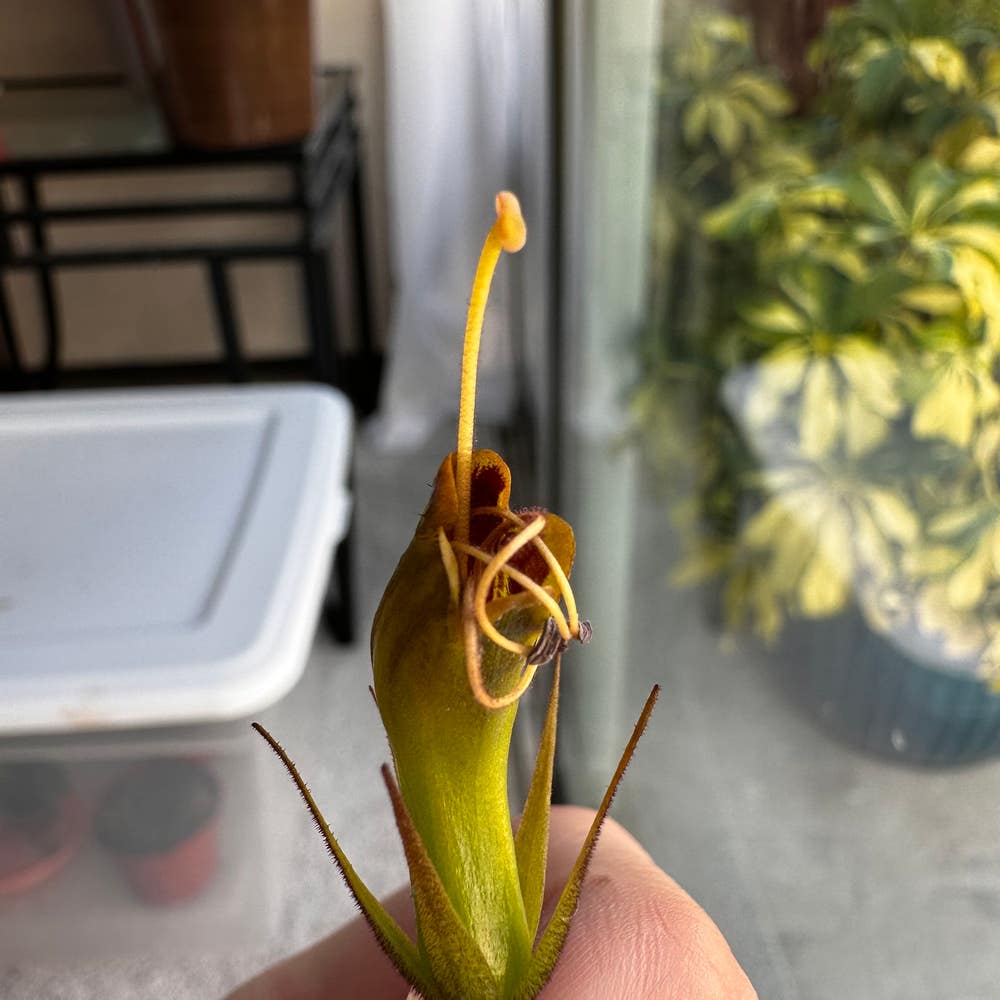
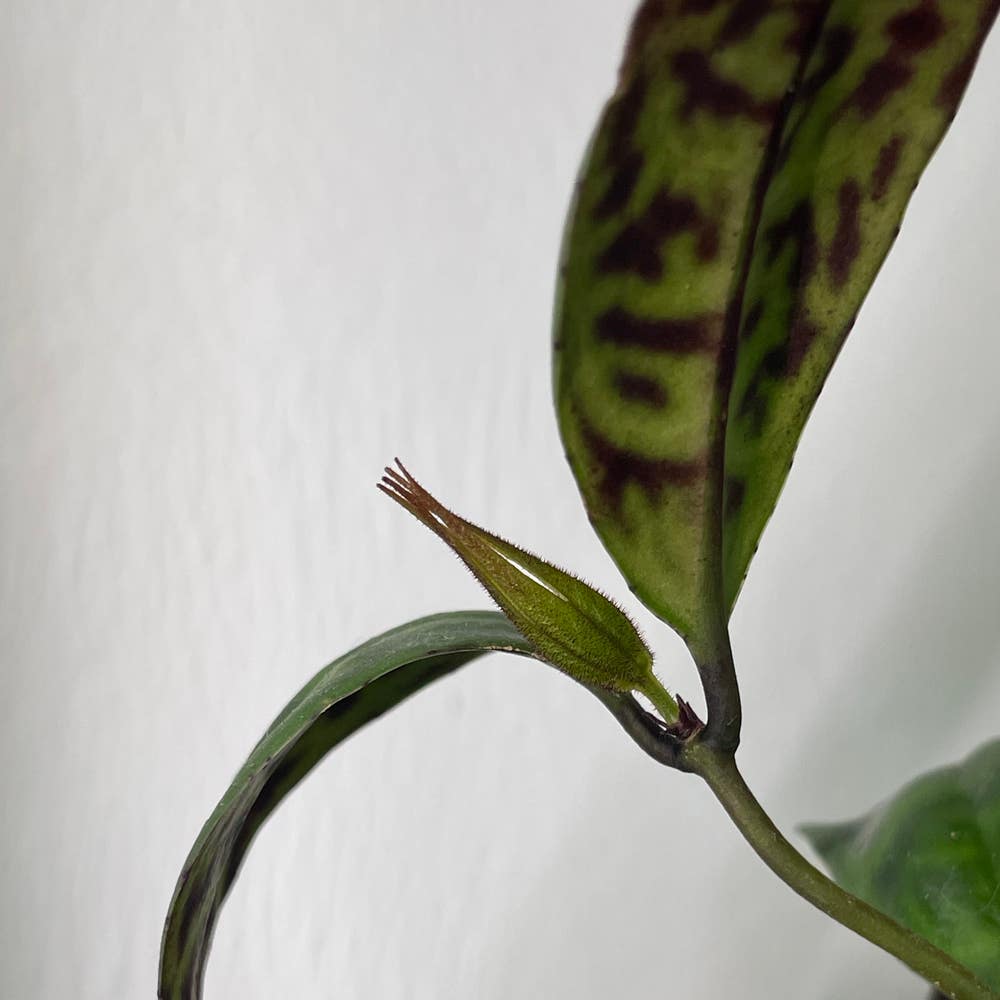
9 Quick Fixes for Black Pagoda Lipstick Plant Bloom Problems 💄
Aeschynanthus longicaulis 'Black Pagoda'
By the Greg Editorial Team
Nov 26, 2024•5 min read
This article was created with the help of AI so we can cover more plants for you. May contain errors. See one? Report it here.
Revive your Black Pagoda Lipstick Plant's blooms with these essential care tips! 🌱✨
- 🌞 Insufficient light causes leggy growth and fewer blooms; position near bright windows.
- 💧 Overwatering and underwatering hinder blooming, leading to yellow leaves and wilting.
- 🌱 Nutrient deficiencies, especially phosphorus, stunt growth; use high-phosphorus fertilizers regularly.
Failure to Bloom
🌞 Causes of Failure to Bloom
Insufficient Light
Light is crucial for the bloom cycle of your Black Pagoda Lipstick Plant. Without adequate light, you may notice leggy growth and a lack of flower buds, signaling that your plant isn't getting the energy it needs.
Improper Watering
Watering practices can make or break your plant's ability to bloom. Both overwatering and underwatering can hinder flower development, leading to yellowing leaves and wilting as symptoms of distress.
Nutrient Deficiencies
Nutrients play a vital role in flowering, particularly phosphorus and potassium. If your plant exhibits stunted growth and poor flower production, it may be time to assess its nutrient intake.
🌱 Solutions for Failure to Bloom
Adjusting Light Exposure
To encourage blooming, ensure your plant receives bright, indirect sunlight. Position it near east or west-facing windows for optimal light conditions.
Proper Watering Techniques
Establish a watering schedule that allows the top inch of soil to dry out before you water again. Additionally, using pots with drainage holes is essential to prevent waterlogging.
Fertilization Tips
During the blooming season, opt for high-phosphorus fertilizers to boost flower production. Fertilize every 4-6 weeks during active growth to keep your plant thriving.
By addressing these common issues, you can help your Black Pagoda Lipstick Plant flourish and produce beautiful blooms. Next, let’s explore the causes and solutions for premature flower drop, ensuring your plant remains vibrant and healthy.
Premature Flower Drop
🌪️ Causes of Premature Flower Drop
Environmental Stress
Environmental stress can wreak havoc on your Black Pagoda Lipstick Plant. Sudden changes in humidity or temperature can lead to drooping leaves and flower buds that simply fall off.
Overwatering
Overwatering is another common culprit behind premature flower drop. When roots become mushy and leaves start yellowing, it's a sure sign that your plant is struggling.
Temperature Fluctuations
Maintaining the right temperature is crucial for flower retention. Ideally, your plant should thrive in a range of 65°F to 80°F (18°C to 27°C) to avoid the adverse effects of cold drafts or heat sources.
🛠️ Solutions for Premature Flower Drop
Stabilizing Environment
To combat environmental stress, aim for consistent humidity levels. Using a humidity tray or humidifier can make a significant difference, as can avoiding placement near drafts or heat vents.
Adjusting Watering Schedule
Monitoring soil moisture is key to preventing overwatering. A moisture meter can help you gauge when to water, and it's wise to reduce frequency during cooler months.
Maintaining Consistent Temperatures
Creating ideal indoor conditions is essential for your plant's health. Avoid extreme temperature changes and consider using thermometers to keep an eye on room temperature.
By addressing these factors, you can help your Black Pagoda Lipstick Plant thrive and enjoy its beautiful blooms. Next, let's explore the causes and solutions for abnormal flower development.
Abnormal Flower Development
🌿 Causes of Abnormal Flower Development
Pest Infestations
Pests can wreak havoc on your Black Pagoda Lipstick Plant, leading to abnormal flower development. Common culprits include aphids, spider mites, and mealybugs, which can cause distorted flowers and leave a sticky residue on leaves.
Disease
Diseases like root rot and fungal infections can also impact blooming. Symptoms to watch for include wilting and discoloration of flowers, signaling that your plant may be in trouble.
Inadequate Nutrients
A balanced diet is crucial for healthy blooms. Signs of nutrient imbalance include poor flower size and color, indicating that your plant may need a nutritional boost.
💡 Solutions for Abnormal Flower Development
Pest Control Methods
To combat pests, consider using organic solutions like neem oil or insecticidal soap. Regular inspections and early intervention are key to keeping infestations at bay.
Disease Management
For diseases like root rot, improving drainage and reducing watering can make a significant difference. Preventative measures, such as using sterilized soil and pots, can help you avoid these issues altogether.
Nutrient Supplementation
Liquid fertilizers with balanced NPK ratios are recommended to support your plant's nutritional needs. Timing is essential; apply nutrients during active growth phases for the best results.
By addressing these factors, you can encourage your Black Pagoda Lipstick Plant to thrive and produce beautiful blooms. Next, let’s explore the factors affecting flowering, including light requirements and nutritional needs.
Factors Affecting Flowering
🌞 Light Requirements
Light is crucial for blooming. It fuels photosynthesis, which directly impacts flower development and overall plant health.
Inadequate light can lead to poor bloom quality. Ideally, your Black Pagoda Lipstick Plant should receive 12-14 hours of bright, indirect sunlight each day.
As seasons change, adjust your plant's light exposure accordingly. This ensures consistent growth and vibrant flowers throughout the year.
🍽️ Nutritional Needs
Nutrients play a vital role in flowering. Key nutrients like nitrogen, phosphorus, potassium, and trace minerals are essential for healthy blooms.
The right nutrient ratios can significantly enhance both the quality and quantity of flowers. A balanced diet for your plant leads to robust growth and stunning blooms.
When it comes to fertilizers, both liquid and granular options are effective. Choose based on your preference and the specific needs of your plant.
Application methods also vary. You can opt for foliar feeding, which delivers nutrients directly to the leaves, or soil application for a more gradual nutrient release.
✂️ Pruning Techniques
Pruning is a powerful tool for promoting flowering. It encourages new growth and can lead to more abundant blooms.
Timing is key; the best time to prune is after the flowering season. This allows your plant to focus its energy on producing new flowers.
To encourage blooms, consider techniques like pinching back tips and removing dead or damaged stems. These practices help redirect energy to healthier parts of the plant.
Always use clean, sharp pruning shears for precise cuts. This minimizes stress on the plant and promotes quicker recovery.
Understanding these factors will help you create the ideal environment for your Black Pagoda Lipstick Plant. With the right light, nutrients, and pruning techniques, you can enjoy a flourishing display of beautiful blooms.
⚠️ Safety First
This content is for general information and may contain errors, omissions, or outdated details. It is not medical, veterinary advice, or an endorsement of therapeutic claims.
Always consult a qualified healthcare professional before using any plant as food, medicine, or supplement.
Never eat any plant (or feed one to pets) without confirming its identity with at least two trusted sources.
If you suspect poisoning, call Poison Control (800) 222-1222, the Pet Poison Helpline (800) 213-6680, or your local emergency service immediately.
Spotted an error? Please report it here.
Unlock vibrant blooms for your Black Pagoda Lipstick Plant 🌸 with Greg's tailored watering schedules and nutrient reminders that ensure your plant gets exactly what it needs to thrive!