Black Spots on My Black Pagoda Lipstick Plant Leaves
Aeschynanthus longicaulis 'Black Pagoda'
By the Greg Editorial Team
Jun 18, 2024•3 min read
This article was created with the help of AI so we can cover more plants for you. May contain errors. See one? Report it here.
Eradicate pesky black spots 🐾 on your Lipstick Plant and ensure lush, spotless foliage! 🌿
- Fungal issues often cause black spots, not just leaf patterns.
- Adjust watering and drainage to prevent and treat black spots.
- Improve air circulation and protect from excessive sunlight for plant health.
Spotting the Trouble: Recognizing Black Spots
🕵️ What Do Black Spots Look Like?
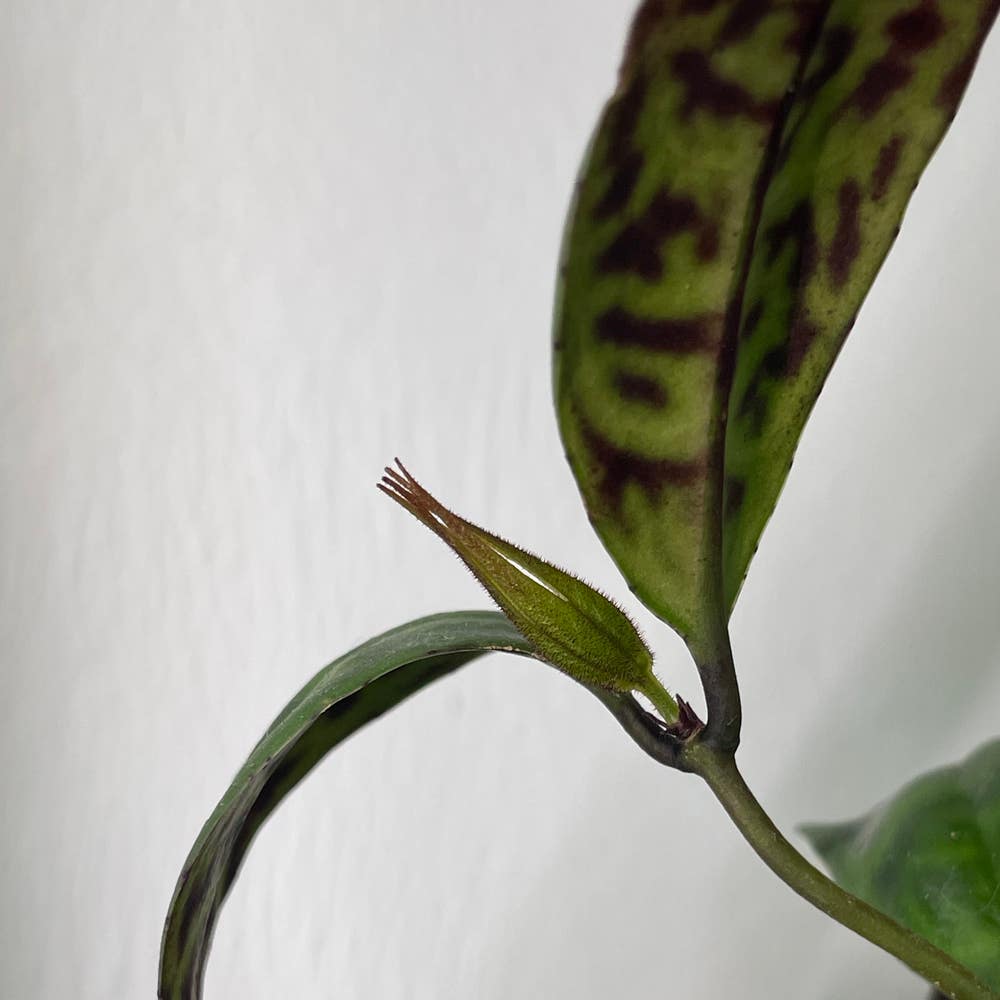
Black spots on your Black Pagoda Lipstick Plant are not just a new leaf pattern to admire. Dark lesions often mar the foliage, sometimes flaunting concentric rings or feathery edges. Spot tiny black dots? You're likely looking at fungal fruiting bodies. A yellow halo might hug these spots, waving a red flag for fungal issues, not just a leaf's bad day.
🌿 Where to Find Them?
Black spots love to crash the party on the undersides of leaves, but they're not shy about showing up on top either. They can start small, like unwanted guests that could fit in a thimble, but give them time, and they'll sprawl out like they own the place. Keep an eye out for these party crashers; they're a sign your plant's personal space is being invaded.

Rooting Out the Causes
💧 Too Much Water, Too Little Drainage
Overwatering is the archenemy of the Black Pagoda Lipstick Plant. It's like inviting fungi to a buffet, and they'll munch on your plant's health. Drainage is the bouncer that's supposed to kick these troublemakers out, but without it, the party goes on unchecked.
🌬 Stuffy Leaves: The Humidity and Circulation Factor
Humidity and poor air circulation are the sidekicks to overwatering. Together, they create a microclimate that's a playground for bacteria and fungi, leading to those dreaded black spots. Think of good air circulation as the plant's personal space—it needs it to stay healthy.
🌞 When the Sun Kisses Too Hard
Sunburn can masquerade as black spots, but it's really just your plant getting too much love from the sun. Scorched tips and faded leaves are the telltale signs. It's not a fungal free-for-all, but a reminder to shade your plant from the sun's overzealous kisses.

Turning Over a New Leaf: Treatment and Prevention
💧 Drying Out the Problem: Watering Wisely
Adjusting your watering habits is crucial. Only water when the soil feels dry to the touch, not according to a rigid schedule. Improving soil drainage can be as simple as adding perlite or sand to your potting mix. Remember, your plant's thirst isn't dictated by the calendar.
🌬️ Breathing Easy: Enhancing Airflow
Good air circulation is like a breath of fresh air for your plant. It wards off the stale, damp conditions that pests and diseases love. Strategically place your Black Pagoda Lipstick Plant where it can enjoy a gentle breeze, but avoid drafty spots that could stress it out.
🌤️ Shading from the Scorch
Protect your plant from excessive sunlight. If it's getting too much direct sun, move it back to a spot with bright, indirect light. Consider using sheer curtains to diffuse harsh rays. Regularly rotating the plant ensures all sides get equal light without the burn.
🕵️ Ongoing Vigilance: Routine Checks and Balances
Stay on top of things with regular check-ups. Spot a problem? Act fast to correct course. Seasonal changes mean adjusting care; water less in winter, provide more shade in summer. Rotate the pot occasionally for even growth, avoiding any disease hotspots.

⚠️ Safety First
This content is for general information and may contain errors, omissions, or outdated details. It is not medical, veterinary advice, or an endorsement of therapeutic claims.
Always consult a qualified healthcare professional before using any plant as food, medicine, or supplement.
Never eat any plant (or feed one to pets) without confirming its identity with at least two trusted sources.
If you suspect poisoning, call Poison Control (800) 222-1222, the Pet Poison Helpline (800) 213-6680, or your local emergency service immediately.
Spotted an error? Please report it here.
Banish those pesky black spots with customized care reminders 🍃 from Greg, ensuring your Black Pagoda Lipstick Plant gets just the right amount of water and sunlight.