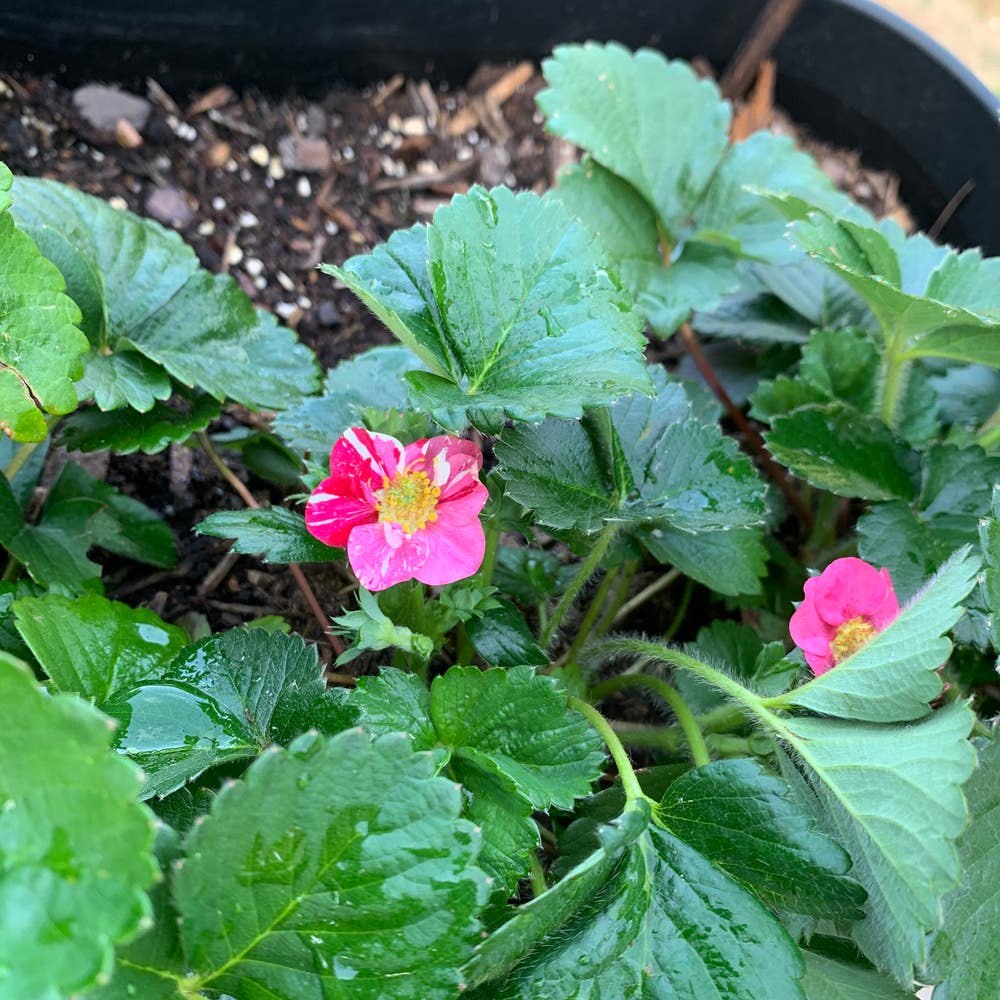
Determining What Might Be Eating Your Pink Beauty Cinquefoil 🐞
Potentilla fruticosa 'Pink Beauty'
By the Greg Editorial Team
Oct 14, 2024•6 min read
This article was created with the help of AI so we can cover more plants for you. May contain errors. See one? Report it here.
Safeguard your Pink Beauty Cinquefoil from herbivores and cultivate a vibrant garden ecosystem! 🌿
- 🦌 Identify common herbivores like deer and rabbits that threaten your Pink Beauty Cinquefoil.
- 🚫 Use fencing and repellents to protect your plants from herbivore damage effectively.
- 🌼 Encourage beneficial insects to maintain ecological balance while safeguarding your Cinquefoil.
Signs of Presence and Damage by Common Herbivores
🦌 Deer
Signs of presence
Look for distinctive hoof prints in soft soil. Dark, pellet-like droppings near your Pink Beauty Cinquefoil are also telltale signs.
Type of damage
Deer often browse on leaves and flowers, stripping them off entirely. Heavy feeding can lead to broken stems, compromising the plant's health.
Interaction impact
Deer can be generally harmful, potentially decimating plant populations if not managed effectively.
Deterrent methods
Consider installing 8-foot tall fencing to prevent access, which is moderately difficult. Alternatively, use commercial deer repellents or homemade solutions like garlic spray for an easier option.
🐇 Rabbits
Signs of presence
Rabbits leave clean cuts on young shoots, indicating they’ve been gnawing. You might also find small, round droppings scattered around.
Type of damage
Their gnawing can stunt growth and lead to dieback, significantly affecting your plant's vigor.
Interaction impact
Rabbits are generally harmful, as they can greatly reduce the overall health of your Pink Beauty Cinquefoil.
Deterrent methods
Netting is an easy way to cover plants and prevent access. You can also use organic repellents with scents like peppermint or cayenne for added protection.
🐿️ Squirrels
Signs of presence
Look for chewed bark on stems and branches, along with disturbed soil around the base of the plant. These signs indicate squirrel activity.
Type of damage
Squirrels may uproot young plants or eat seeds, which reduces plant reproduction.
Interaction impact
They are generally harmful and can disrupt the establishment of your plants.
Deterrent methods
Scare tactics, such as using reflective objects or noise-makers, are easy to implement. For a more moderate approach, consider live traps for relocation.
🐦 Birds
Signs of presence
Feathers found near the plant and nests built in nearby trees or shrubs signal bird activity.
Type of damage
Birds may peck at flowers, reducing both aesthetic appeal and reproductive success.
Interaction impact
The impact of birds is mixed; while some help with pest control, others can cause damage.
Deterrent methods
Using predator decoys can scare birds away easily. Hanging shiny materials as reflective objects is another simple deterrent.
🐭 Rodents (mice, voles)
Signs of presence
Look for small burrows or pathways in the soil, along with dark, small droppings near the plant base.
Type of damage
Rodents gnaw on roots, leading to plant stress, and can also weaken stems.
Interaction impact
They are generally harmful and can lead to significant plant decline.
Deterrent methods
Set snap traps or live traps for removal, which is moderately difficult. Habitat modification, like reducing ground cover, can also limit nesting sites.
🦡 Groundhogs/Woodchucks
Signs of presence
You’ll notice large burrows dug near the plant and distinctive, jagged cuts on leaves and stems.
Type of damage
Groundhogs can cause extensive feeding, potentially decimating entire patches of Pink Beauty Cinquefoil.
Interaction impact
They are generally harmful, leading to significant destruction of your plants.
Deterrent methods
Strong fencing can prevent access, which is moderately difficult to set up. You can also use commercial or homemade repellents to deter feeding, which is an easier solution.
This overview of herbivores affecting your Pink Beauty Cinquefoil highlights the importance of vigilance and proactive measures. Next, we’ll explore the beneficial animals that can positively impact your garden ecosystem.
Beneficial Animals and Ecosystem Impact
🐝 Pollinators
Bees and butterflies play a crucial role in the health of your Pink Beauty Cinquefoil. These pollinators are essential for plant reproduction, ensuring vibrant blooms and abundant seeds.
Their presence not only enhances the beauty of your garden but also supports the broader ecosystem. By attracting these beneficial insects, you create a thriving environment that fosters biodiversity.
🦋 Role of Beneficial Insects
Predatory insects, such as ladybugs and lacewings, are nature's pest controllers. They help manage harmful pest populations, keeping your garden healthy and balanced.
Encouraging these beneficial insects can significantly reduce the need for chemical interventions. By fostering a diverse ecosystem, you promote a natural cycle of growth and protection for your plants.
Incorporating these beneficial animals into your gardening strategy not only protects your Pink Beauty Cinquefoil but also enriches the entire garden ecosystem. As you cultivate your space, remember that every creature has a role to play in maintaining balance and health.
Next, let’s explore general strategies for protecting your Pink Beauty Cinquefoil from potential threats.
General Strategies for Protecting Pink Beauty Cinquefoil
🛡️ Preventive Measures
Fencing is a highly effective way to deter larger herbivores from munching on your Pink Beauty Cinquefoil. An 8-foot tall barrier can keep deer and other large animals at bay, though it requires moderate effort to install.
Companion planting is another smart strategy. By selecting plants that repel herbivores or attract beneficial insects, you can create a more resilient garden ecosystem.
⚠️ Reactive Solutions
When preventive measures fall short, traps can provide immediate relief from pests. Using snap traps or live traps can help you manage unwanted visitors effectively.
Organic repellents are also a great option. Natural solutions, like garlic or peppermint sprays, can deter feeding without harming the environment.
🌱 Seasonal Considerations
Be mindful of seasonal changes in herbivore activity. In spring, many animals seek out tender shoots, making your plants particularly vulnerable.
By late summer, birds may be drawn to seeds and fruits, which can also impact your Pink Beauty Cinquefoil. Keeping an eye on these seasonal patterns can help you stay one step ahead in protecting your plants.
These strategies not only safeguard your plants but also contribute to a balanced ecosystem. Understanding the dynamics of your garden will empower you to nurture both your plants and the wildlife around them.
Toxicity and Ecological Role
Potential Toxic Effects 🌿
Pink Beauty Cinquefoil has mild toxicity, which can deter some herbivores from overindulging. This natural defense mechanism helps the plant maintain its health and vigor.
Importance of Understanding Interactions 🦋
It's crucial to balance plant protection with the ecological roles of various animals. While some creatures may pose a threat to your Cinquefoil, others play beneficial roles, such as pollination or pest control.
Recognizing these interactions allows for a more harmonious garden ecosystem. By understanding which animals to protect and which to manage, you can foster a thriving environment for your plants.
This awareness not only enhances your gardening success but also contributes to the overall health of your local ecosystem. As you navigate these dynamics, remember that every creature has its place in the circle of life.
Next, let’s explore general strategies for protecting your Pink Beauty Cinquefoil from potential threats.
⚠️ Safety First
This content is for general information and may contain errors, omissions, or outdated details. It is not medical, veterinary advice, or an endorsement of therapeutic claims.
Always consult a qualified healthcare professional before using any plant as food, medicine, or supplement.
Never eat any plant (or feed one to pets) without confirming its identity with at least two trusted sources.
If you suspect poisoning, call Poison Control (800) 222-1222, the Pet Poison Helpline (800) 213-6680, or your local emergency service immediately.
Spotted an error? Please report it here.
Safeguard your Pink Beauty Cinquefoil from herbivores and cultivate a thriving garden 🌱 with Greg's personalized tips and reminders that empower you to protect your plants while nurturing the ecosystem!