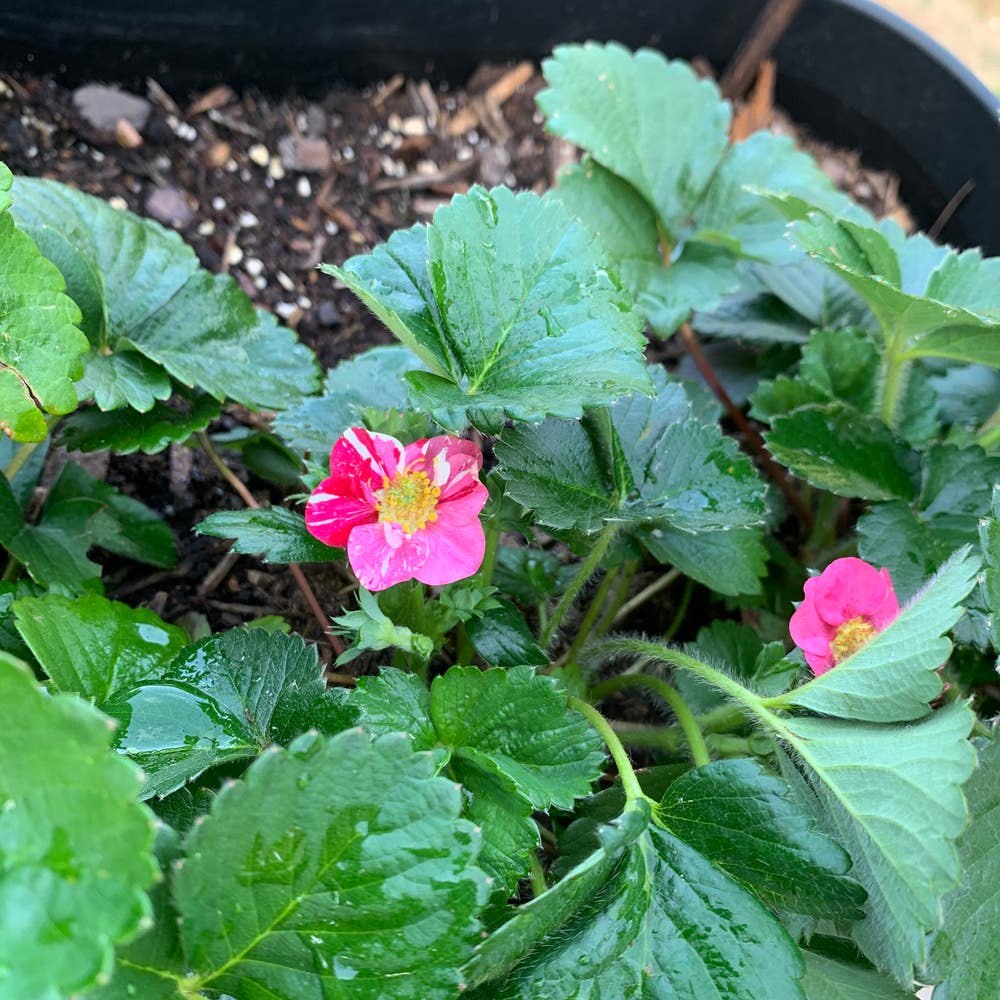
Managing Leaf Drop on Your Pink Beauty Cinquefoil 😢
Potentilla fruticosa 'Pink Beauty'
By the Greg Editorial Team
Oct 14, 2024•5 min read
This article was created with the help of AI so we can cover more plants for you. May contain errors. See one? Report it here.
Revive your Pink Beauty Cinquefoil 🌱 and prevent leaf drop with these essential care tips for thriving plants!
- 🌱 Early symptoms of distress include yellowing leaves and wilting; act quickly!
- 🌿 Inspect roots and leaves regularly for rot, pests, or diseases affecting health.
- 💧 Adjust watering and care seasonally to prevent leaf drop and promote recovery.
Diagnosing Leaf Drop
🧐 Identifying Symptoms
When your Pink Beauty Cinquefoil starts to show distress, the first signs are often visual. Look for yellowing leaves, wilting, and those pesky dropping leaves that signal something's off.
You might also notice changes in growth patterns. Stunted growth or a leggy appearance can indicate that your plant is struggling to thrive.
🔍 Assessing Plant Health
Next, it's time to dig deeper—literally. Inspect the roots for any signs of rot or damage, as unhealthy roots can lead to leaf drop.
Don't forget to examine the leaves closely. Look for any pests or signs of disease that could be affecting your plant's health.
🌦️ Environmental Conditions to Consider
Environmental factors play a significant role in your plant's well-being. Recent weather changes, such as temperature fluctuations and rainfall patterns, can impact leaf health.
Also, consider the location of your Cinquefoil. Is it getting enough sunlight? Is it protected from harsh winds? These factors can greatly influence its overall condition.
Understanding these symptoms and conditions is crucial for effective management. With this knowledge, you can take proactive steps to prevent further leaf drop and ensure your plant thrives.
Preventing Leaf Drop
💧 Proper Watering Techniques
Watering your Pink Beauty Cinquefoil is crucial for its health. Aim to water once a week during dry spells to keep the soil adequately moist.
Check the soil moisture regularly. If the top inch feels dry, it’s time to water again. Healthy leaves should appear vibrant and firm, indicating proper hydration.
🌱 Soil Selection and Amendments
Choosing the right soil is essential for preventing leaf drop. Well-draining loam or sandy soil is ideal for your plant.
Consider adding compost or perlite to enhance drainage. This will help prevent root rot and promote healthy growth.
🌼 Fertilization Practices
Establish a fertilization schedule to support your plant's vitality. Fertilize in early spring and mid-summer for optimal results.
Use balanced NPK formulas or organic options to nourish your Cinquefoil. This will help maintain its lush appearance and resilience.
🐛 Pest Control Measures
Regular monitoring is key to keeping pests at bay. Inspect your plant weekly for any signs of infestations.
If you spot pests, consider treatment options like neem oil or insecticidal soap. These methods are effective and gentle on your plant.
🍂 Seasonal Care Adjustments
Adjusting your care routine based on the seasons is vital. Increase watering during the summer months and reduce it in winter.
Mulching is another great strategy. It helps retain moisture and regulates soil temperature, providing your plant with a stable environment.
By implementing these preventive measures, you can significantly reduce the risk of leaf drop in your Pink Beauty Cinquefoil. Next, let’s explore how to treat leaf drop effectively when it occurs.
Treating Leaf Drop
🚨 Immediate Actions to Take
Assessing your Pink Beauty Cinquefoil's watering needs is crucial. Check the soil moisture; if it's too dry, give it a drink, but if it's soggy, hold off.
Removing affected leaves can significantly reduce stress on the plant. Pruning these leaves helps redirect energy to healthier parts, promoting recovery.
📅 Long-Term Care Strategies
Establishing a consistent care routine is essential for your plant's health. Regular watering, fertilizing, and monitoring will keep it thriving.
Implementing a pest management plan is also vital. Preventative measures can help avoid infestations that lead to further leaf drop.
✂️ Pruning Affected Areas
Effective pruning techniques involve cutting back to healthy tissue. This not only improves the plant's appearance but also encourages new growth.
Timing is key; the best periods for pruning are early spring or late fall. This allows your plant to recover before the growing season or to rest during winter.
🌱 Rehabilitating Stressed Plants
Adjusting care is necessary for rehabilitating stressed plants. Provide optimal conditions, such as proper light and moisture, to help them bounce back.
Monitoring progress is equally important. Keep track of new growth and leaf health to ensure your plant is on the road to recovery.
By following these steps, you can effectively treat leaf drop and restore your Pink Beauty Cinquefoil to its vibrant self. Next, let’s explore how to monitor and maintain your plant for ongoing health.
Monitoring and Maintenance
🕵️ Regular Inspection Routines
To keep your Pink Beauty Cinquefoil thriving, establish a weekly inspection routine. During these checks, look for signs of stress, such as leaf discoloration, unusual growth patterns, and soil moisture levels.
🌱 Signs of Recovery
As your plant begins to bounce back, you'll notice indicators of health like new leaf growth and vibrant colors. Adjust your care routine gradually, returning to normal practices as your plant shows signs of recovery.
🍂 Adjusting Care Based on Seasonal Changes
Seasonal shifts require you to modify your watering and fertilization schedules. As winter approaches, consider mulching to protect the roots from frost and ensure your plant remains healthy through the colder months.
By staying vigilant and responsive to your plant's needs, you can foster a thriving environment for your Pink Beauty Cinquefoil. This proactive approach will not only enhance its resilience but also enrich your gardening experience.
⚠️ Safety First
This content is for general information and may contain errors, omissions, or outdated details. It is not medical, veterinary advice, or an endorsement of therapeutic claims.
Always consult a qualified healthcare professional before using any plant as food, medicine, or supplement.
Never eat any plant (or feed one to pets) without confirming its identity with at least two trusted sources.
If you suspect poisoning, call Poison Control (800) 222-1222, the Pet Poison Helpline (800) 213-6680, or your local emergency service immediately.
Spotted an error? Please report it here.
Keep your Pink Beauty Cinquefoil thriving by staying vigilant and using Greg's custom care reminders 🌿 to tackle leaf drop and promote vibrant growth!