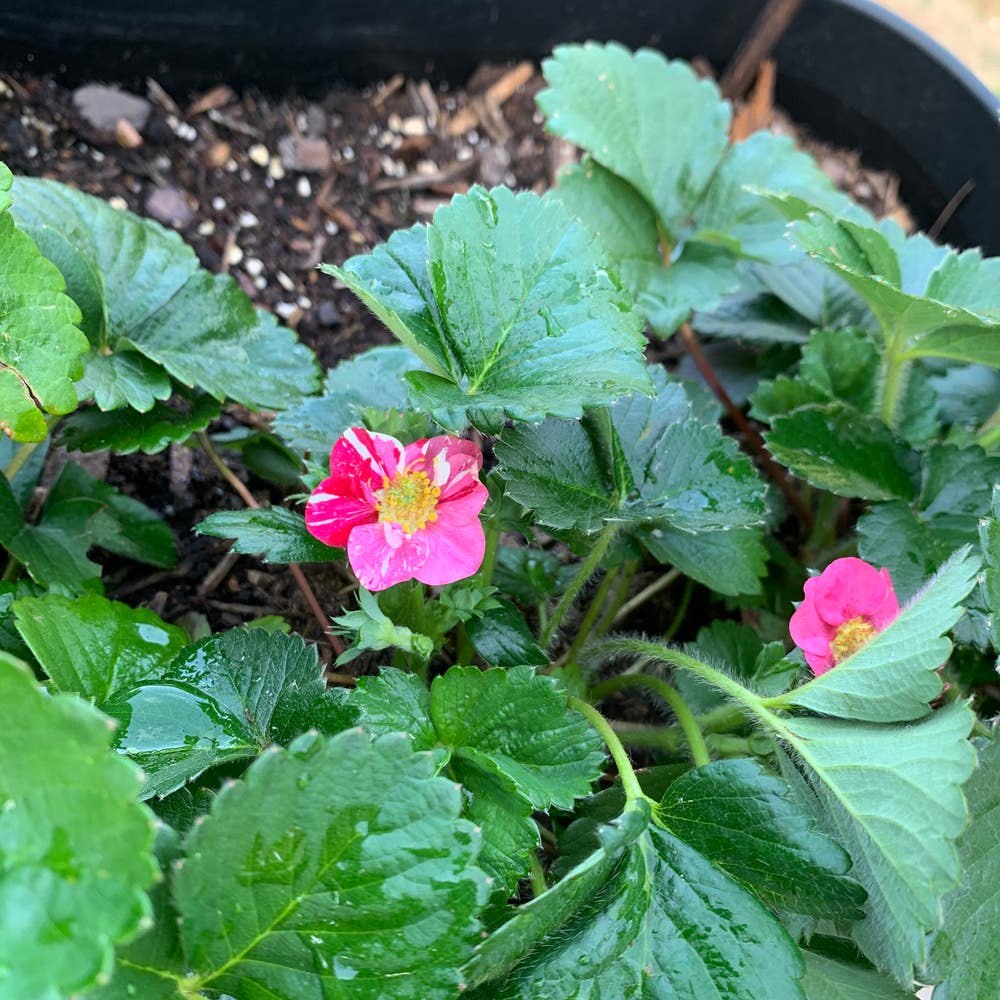
🌸 How to Know When to Repot Pink Beauty Cinquefoil
Potentilla fruticosa 'Pink Beauty'
By the Greg Editorial Team
Oct 14, 2024•7 min read
This article was created with the help of AI so we can cover more plants for you. May contain errors. See one? Report it here.
Unlock vibrant growth for your Pink Beauty Cinquefoil 🌸 by mastering essential repotting techniques today! 🌱
- 🌱 Signs to repot include roots escaping drainage holes and stunted growth.
- 🕒 Best time to repot is spring to early summer for optimal growth.
- 🧪 Choose well-draining soil and a pot 1-2 inches larger for healthy roots.
Signs that Pink Beauty Cinquefoil Needs Repotting
🌱 Common Repotting Signs
Recognizing when your Pink Beauty Cinquefoil needs repotting is crucial for its health. Look for rootbound conditions, where roots escape through drainage holes or start circling the pot.
Stunted growth is another red flag. If your plant isn't producing new growth or flowers despite optimal care, it might be time for a new home.
Soil depletion is also a key indicator. If the soil appears compacted or shows a buildup of salts and minerals, it’s a sign that the plant is outgrowing its environment.
🔍 Assessing Root Health Before Repotting
Before you dive into repotting, assess the root health. Start by checking root color; healthy roots should be white or light tan. If you see brown or black roots, that indicates rot.
Next, evaluate root density. A dense root ball suggests that your plant is ready for a larger pot.
Timing is also essential. The best period to assess root health is during the growing season, specifically from spring to early summer. This ensures your plant is primed for a successful transition.
By keeping an eye on these signs, you can ensure your Pink Beauty Cinquefoil thrives in its new pot. Now that you know when to repot, let’s explore how to choose the right pot for your plant.
Choosing the Right Pot
🏺 Recommended Pot Materials
Ceramic Pots
Ceramic pots are not just pretty; they provide excellent insulation for roots, keeping them cozy. However, they can be pricey and may crack if exposed to freezing temperatures.
Plastic Pots
If you're looking for something lightweight and budget-friendly, plastic pots are your go-to. They come in various sizes but can heat up quickly in direct sunlight, which might stress your plant.
Terracotta Pots
Terracotta pots excel in drainage and allow for airflow, making them a favorite among gardeners. Just keep in mind that they can dry out faster, so you might need to water more frequently.
📏 Size Considerations for New Pots
When repotting, aim for a pot that is 1-2 inches larger in diameter than the current one. Also, ensure the new pot is deep enough to accommodate the root system without cramping it.
Choosing the right pot is crucial for your Pink Beauty Cinquefoil's health and growth. With the right materials and size, you set the stage for a thriving plant. Next, let’s dive into the step-by-step process of repotting!
Repotting Process
Step-by-Step Guide to Repotting Pink Beauty Cinquefoil 🌸
Repotting your Pink Beauty Cinquefoil can seem daunting, but it’s a straightforward process. Here’s a simple step-by-step guide to help you through it.
- Gather materials: You’ll need a new pot, potting soil specifically for Cinquefoil, gardening gloves, and your favorite tools.
- Remove the plant: Gently slide the plant out of its current pot. Loosen the soil around the edges if necessary to avoid damaging the roots.
- Inspect roots: Take a moment to check the roots. Trim any that are damaged or excessively long to promote healthy growth.
- Prepare the new pot: Add a layer of potting soil to the bottom of the new pot. This provides a cushion for the roots.
- Position the plant: Place the plant in the center of the new pot. Fill around it with potting soil, ensuring it’s snug but not too tight.
- Water thoroughly: After planting, water the Cinquefoil well. The soil should be evenly moist but not waterlogged.
Preparing the New Pot and Soil 🪴
Choosing the right soil is crucial for your plant's health. Use well-draining potting soil specifically formulated for Cinquefoil.
- Enhance drainage: Consider adding perlite or sand to the mix. This will help prevent water retention, keeping your plant happy.
Techniques for Handling the Plant During Repotting 🤲
Handling your plant with care is essential to minimize stress.
- Support the base: Always support the base of the plant while repotting. This helps avoid damaging the stems.
- Minimize root disturbance: Try to disturb the roots as little as possible. This reduces the risk of transplant shock, allowing your Cinquefoil to thrive in its new home.
With these steps, you’re well on your way to successfully repotting your Pink Beauty Cinquefoil. Next, let’s explore how to care for your plant after repotting to ensure it continues to flourish.
Post-Repotting Care
💧 Watering Guidelines After Repotting
Water your Pink Beauty Cinquefoil immediately after repotting. This helps settle the soil around the roots.
Allow the top inch of soil to dry out before watering again. For the first few weeks, keep a close eye on moisture levels to ensure your plant adjusts well.
☀️ Light Requirements Post-Repotting
Position your plant in a spot that receives full sun to partial shade. This light exposure encourages recovery and new growth.
However, avoid placing it in direct harsh sunlight right after repotting. This can stress the plant and hinder its adjustment.
🚨 Monitoring for Transplant Shock
Watch for signs of transplant shock, such as wilting, yellowing leaves, or slowed growth. These symptoms indicate your plant may be struggling to adapt.
To help your Cinquefoil bounce back, maintain consistent care and avoid overwatering. This balance is crucial for a smooth recovery.
As you nurture your plant through this transition, you'll set the stage for vibrant growth and blooming in the seasons to come. Next, let’s explore common repotting mistakes to avoid for optimal plant health.
Common Repotting Mistakes
🌱 Overpotting vs. Underpotting
Choosing the right pot size is crucial for your Pink Beauty Cinquefoil. Overpotting, or selecting a pot that's too large, can lead to excess moisture retention, which may cause root rot.
On the flip side, underpotting restricts root growth and nutrient uptake. A pot that’s too small can stunt your plant’s development, leaving it struggling to thrive.
🚰 Ignoring Drainage Needs
Proper drainage is essential for healthy plant growth. Without adequate drainage holes, water can accumulate, leading to waterlogging and root rot.
To prevent these issues, always opt for pots with sufficient drainage. You might also consider adding gravel at the bottom to enhance drainage and airflow.
👀 Not Checking Root Health
Before repotting, inspecting root health is a must. Healthy roots are vital for your plant's overall well-being, and failing to check them can transfer existing problems to the new pot.
Regular inspections help you catch any issues early, ensuring your Pink Beauty Cinquefoil has the best chance to flourish in its new home.
By avoiding these common mistakes, you set your plant up for success and vibrant growth. Now, let’s dive into troubleshooting any repotting issues that may arise!
Troubleshooting Repotting Issues
Signs of Stress After Repotting 🌱
After repotting your Pink Beauty Cinquefoil, watch for signs of stress. Common symptoms include drooping leaves, discoloration, or a noticeable lack of new growth.
If you notice these issues, take immediate action. Adjusting watering and light conditions can often help your plant bounce back.
Solutions for Rootbound Plants 🌿
If your plant is rootbound, it’s time to take action. Carefully tease apart the roots and prune any that are excessively long or damaged.
To prevent rootbound conditions in the future, consider repotting every 1-2 years. This keeps your plant healthy and thriving.
How to Address Poor Drainage in Pots 🚰
Poor drainage can lead to serious issues for your Cinquefoil. Use a well-draining potting mix and ensure your pots have sufficient drainage holes.
Additionally, elevating pots slightly can promote airflow and drainage. This simple step can make a big difference in your plant's health.
With these troubleshooting tips, you can ensure your Pink Beauty Cinquefoil remains vibrant and healthy. Next, let’s explore common repotting mistakes to avoid.
⚠️ Safety First
This content is for general information and may contain errors, omissions, or outdated details. It is not medical, veterinary advice, or an endorsement of therapeutic claims.
Always consult a qualified healthcare professional before using any plant as food, medicine, or supplement.
Never eat any plant (or feed one to pets) without confirming its identity with at least two trusted sources.
If you suspect poisoning, call Poison Control (800) 222-1222, the Pet Poison Helpline (800) 213-6680, or your local emergency service immediately.
Spotted an error? Please report it here.
Keep your Pink Beauty Cinquefoil thriving and rootbound-free 🌱 with Greg's tailored reminders and expert tips for the perfect repotting timing and technique!