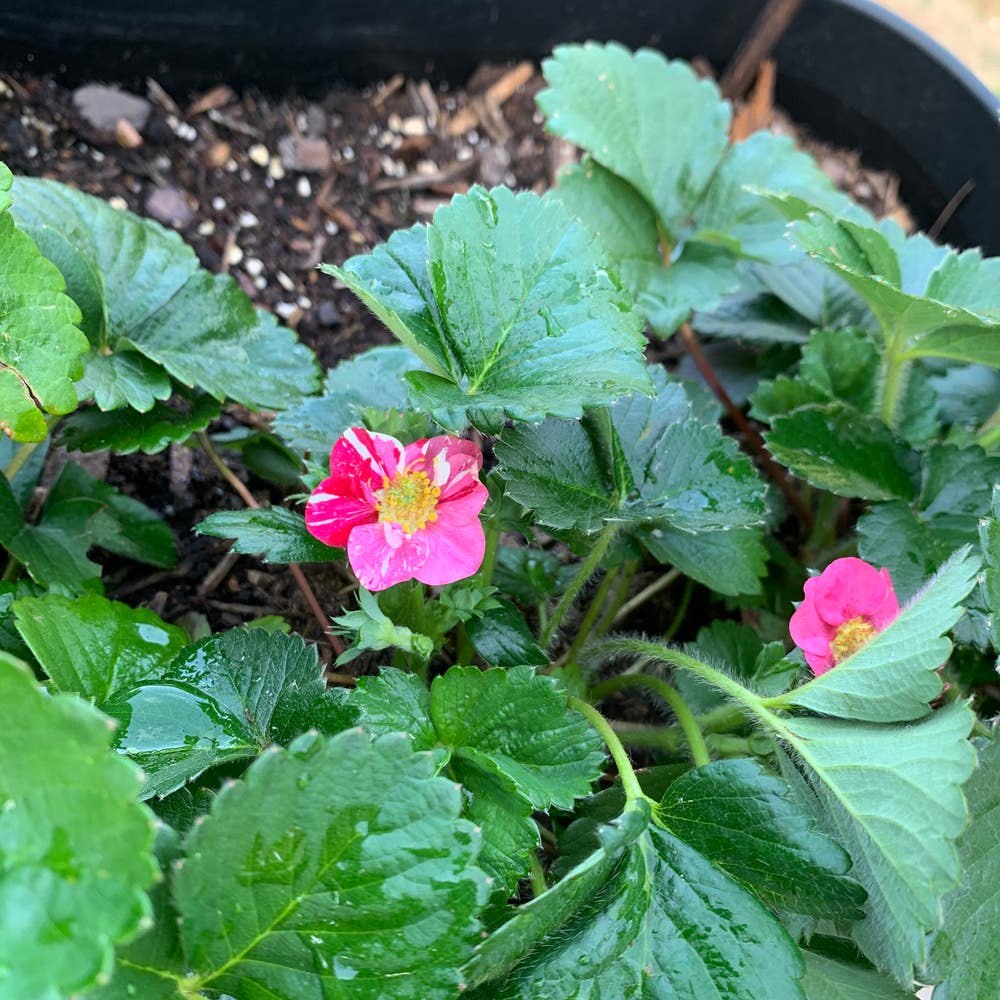
🌸 How to Cure Droopy Leaves on Your Pink Beauty Cinquefoil
Potentilla fruticosa 'Pink Beauty'
By the Greg Editorial Team
Oct 14, 2024•5 min read
This article was created with the help of AI so we can cover more plants for you. May contain errors. See one? Report it here.
Revive your droopy Pink Beauty Cinquefoil 🌱 with simple tips on watering, light, and soil for vibrant growth!
- 💧🌱 Droopy leaves result from overwatering or underwatering; check soil moisture regularly.
- ☀️🌡️ Ensure 6-8 hours of sunlight and moderate temperatures for optimal growth.
- 🐛🔍 Monitor for pests and root rot; early detection is key to recovery.
Causes of Droopy Leaves
💧 Overwatering and Underwatering
Understanding the signs of overwatering is crucial for your Pink Beauty Cinquefoil. If you notice leaf wilting despite moist soil, or if the leaves are turning yellow and you suspect root rot, it’s time to reassess your watering habits.
On the flip side, underwatering can also lead to droopy leaves. Look for dry, crispy leaves and stunted growth, as well as soil pulling away from the pot edges—these are clear indicators that your plant needs more water.
🌡️ Environmental Stress
Temperature and light play significant roles in the health of your Cinquefoil. This plant thrives in moderate temperatures and is sensitive to extreme heat or cold, so keep it in a stable environment.
For optimal growth, ensure your Pink Beauty receives full sun exposure for 6-8 hours daily. Insufficient light can lead to droopy leaves, so evaluate its location and make adjustments as needed.
By addressing these causes, you can set the stage for a healthier, happier plant. Next, let’s dive into diagnosing the problem to pinpoint the exact issue with your Cinquefoil.
Diagnosing the Problem
🌿 Identifying Symptoms
To effectively diagnose droopy leaves on your Pink Beauty Cinquefoil, start by assessing the current soil moisture. Use a moisture meter or simply stick your finger into the soil to gauge its dampness.
Next, determine if your plant is suffering from overwatering or underwatering. Look for signs: wilting leaves despite moist soil indicate overwatering, while dry, crispy leaves suggest underwatering.
🏺 Soil Issues
Soil drainage plays a crucial role in your plant's health. The ideal soil composition for Pink Beauty Cinquefoil is well-drained, sandy loam, which allows excess water to escape while retaining some moisture.
Be on the lookout for signs of soil compaction. If water isn't absorbing well or the roots seem unhealthy, it may be time to reassess your soil's condition.
Understanding these symptoms and soil issues will set you on the right path to reviving your plant. Next, let’s explore how to treat those droopy leaves effectively.
Treating Droopy Leaves
Step-by-Step Guide to Adjusting Watering 🌊
Adjusting your watering routine is crucial for reviving droopy leaves. Start by assessing the soil moisture; if it feels overly wet, it’s time to cut back on watering.
Next, allow the soil to dry out completely before your next watering session. This helps prevent further stress on your Pink Beauty Cinquefoil.
Improving Soil Drainage Techniques 🕳️
Soil drainage plays a vital role in plant health. First, check the pot’s drainage holes to ensure they aren’t blocked, which can lead to water accumulation.
If drainage issues persist, consider repotting your plant. Use a well-draining soil mix, incorporating materials like perlite or sand to enhance aeration and drainage.
Adjusting Light Exposure ☀️
Light conditions can significantly impact your plant's vitality. Evaluate whether your Cinquefoil is receiving too much shade or direct sunlight.
If necessary, move your plant to a location that offers adequate sunlight, ideally 6-8 hours of full sun daily. This adjustment can help perk up those droopy leaves and promote healthy growth.
By addressing watering, soil drainage, and light exposure, you can effectively treat droopy leaves on your Pink Beauty Cinquefoil. Next, let’s explore how to prevent these issues from arising in the future.
Preventing Future Issues
🌊 Best Practices for Watering
Establishing a consistent watering schedule is crucial for your Pink Beauty Cinquefoil. Adjust this schedule based on seasonal changes, as plants often require more water during warmer months and less during cooler periods.
To ensure you're not over or under-watering, use simple techniques to check soil moisture. A moisture meter or the finger test can help you gauge when it's time to water, keeping your plant healthy and vibrant.
🌱 Soil Selection and Amendments
Choosing the right soil type is essential for the health of your Cinquefoil. Opt for a well-draining sandy loam that allows roots to breathe and prevents waterlogging.
Consider adding amendments like compost or organic matter to enhance drainage. These additions not only improve soil structure but also provide essential nutrients for robust growth.
🐛 Regular Monitoring for Pests and Diseases
Keep an eye out for common pests that may affect your Cinquefoil, such as aphids and spider mites. Early detection is key; look for signs like discolored leaves or webbing.
Implement preventative measures by conducting regular inspections. Using organic pest control methods can help maintain a healthy garden environment, ensuring your plant thrives without chemical interference.
By following these practices, you can significantly reduce the risk of droopy leaves in the future. Next, let’s explore when it might be time to seek professional help for your plant.
When to Seek Professional Help
🚨 Signs That Indicate a Serious Problem
If your Pink Beauty Cinquefoil continues to display droopy leaves despite your best efforts, it may be time to consider professional help. Persistent droopiness can signal deeper issues that simple adjustments won't fix.
Look for signs of severe root rot, such as a foul smell or mushy roots. These symptoms indicate that your plant may be beyond home remedies and requires expert intervention.
Additionally, keep an eye out for pest infestations. If you notice unusual spots, webbing, or tiny insects on your plant, it could mean that pests are wreaking havoc on its health.
In these cases, consulting a gardening professional or a local nursery can provide you with tailored advice and solutions. They can help diagnose the problem accurately and suggest treatments that may not be readily available to the average gardener.
By recognizing these signs early, you can save your plant from further decline and ensure it thrives in the long run. Remember, seeking help is a proactive step in maintaining your garden's health.
⚠️ Safety First
This content is for general information and may contain errors, omissions, or outdated details. It is not medical, veterinary advice, or an endorsement of therapeutic claims.
Always consult a qualified healthcare professional before using any plant as food, medicine, or supplement.
Never eat any plant (or feed one to pets) without confirming its identity with at least two trusted sources.
If you suspect poisoning, call Poison Control (800) 222-1222, the Pet Poison Helpline (800) 213-6680, or your local emergency service immediately.
Spotted an error? Please report it here.
Revive your Pink Beauty Cinquefoil's droopy leaves with smart watering tips 💧 from Greg, ensuring it gets the right moisture and light for vibrant growth!