🌸 Step-by-Step Guide to Pollinating Pink Beauty Cinquefoil
Potentilla fruticosa 'Pink Beauty'
By the Greg Editorial Team
Oct 14, 2024•5 min read
This article was created with the help of AI so we can cover more plants for you. May contain errors. See one? Report it here.
Uncover the secrets of the Pink Beauty Cinquefoil 🌸 and how its vibrant blooms attract vital pollinators for a thriving garden!
- 🌸 Pink Beauty Cinquefoil attracts pollinators with vibrant flowers and nectar-rich blooms.
- 🐝 Bees, butterflies, and hummingbirds are key pollinators, enhancing seed production and diversity.
- 🌿 Hand pollination is rewarding; learn flower anatomy for effective pollen transfer.
Flower Structure
Description and Role in Pollination 🌸
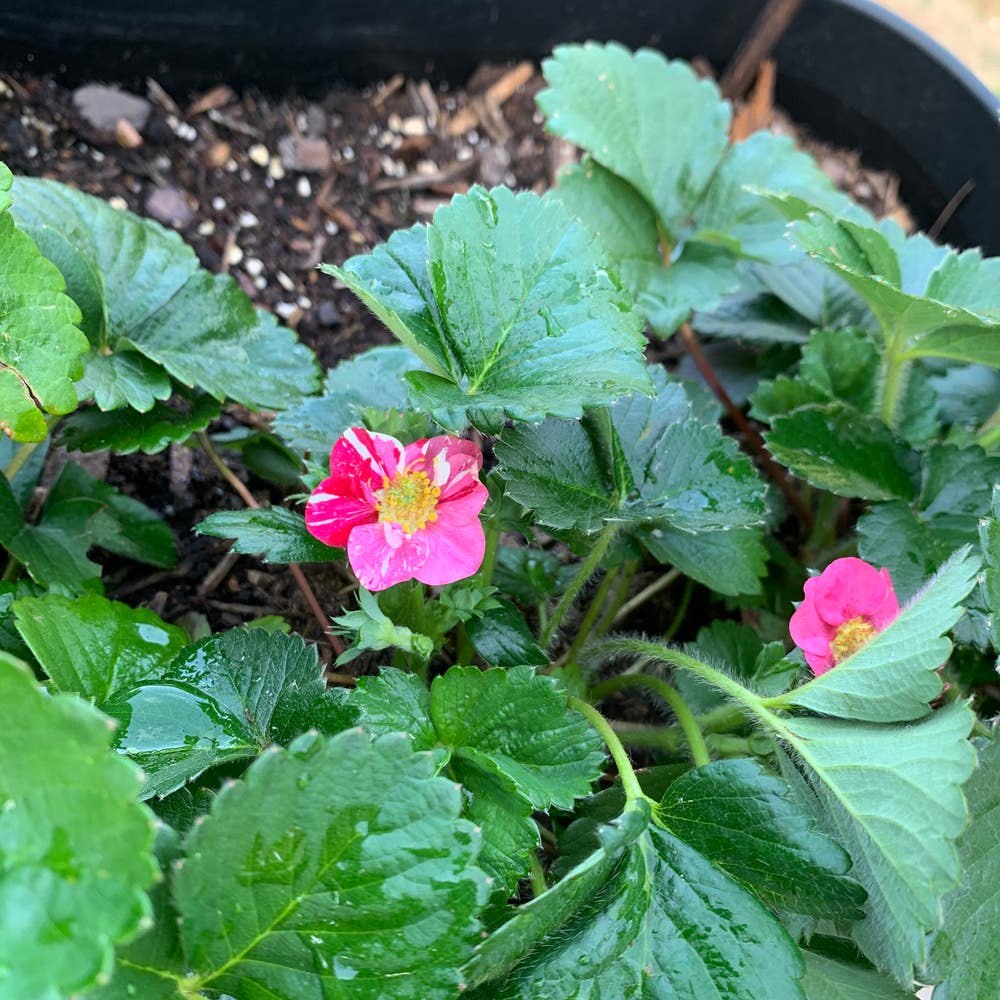
The Pink Beauty Cinquefoil is a stunning sight, boasting vibrant pink flowers with five distinct petals. At the center, a cluster of stamens surrounds a prominent pistil, creating a striking focal point that draws in pollinators.
The arrangement of these flowers in clusters enhances their visibility, making it easier for pollinators to spot them. This strategic positioning is crucial for effective pollination.
Facilitation of Pollination 🐝
The flower's structure is designed for efficient pollen transfer, allowing pollen from the stamens to easily reach the pistil, facilitating self-pollination. This natural mechanism not only supports reproduction but also attracts a variety of pollinator species with its bright colors and abundant nectar.
By creating a welcoming environment for pollinators, the Pink Beauty Cinquefoil plays a vital role in its ecosystem. Its vibrant appearance and nectar-rich blooms ensure that it remains a favorite among bees, butterflies, and other pollinators.
As we delve deeper into the pollination process, understanding how these flowers attract and interact with their pollinators will reveal the intricate relationships that sustain their growth and reproduction.
Pollination Process
🌼 Mechanism of Self-pollination
Self-pollination in Pink Beauty Cinquefoil is a fascinating process. Pollen from the stamens falls directly onto the pistil within the same flower, ensuring fertilization without needing external pollinators.
Certain conditions can enhance this self-pollination. For instance, warm temperatures and calm weather can increase the likelihood of successful pollen transfer.
🐝 Identification of Primary Pollinators
While self-pollination is effective, Pink Beauty Cinquefoil also attracts various pollinators.
- Bees are the primary visitors, drawn in by the vibrant colors and sweet nectar, facilitating cross-pollination.
- Butterflies also play a role, stopping by for nectar and inadvertently transferring pollen.
- Less frequently, moths and hummingbirds contribute to the pollination process, adding to the plant's reproductive success.
🎯 Attraction Strategies for Pollinators
The Pink Beauty Cinquefoil employs several strategies to attract its pollinators.
- Its bright pink flowers stand out, making them easy to spot.
- The nectar-rich blooms provide a rewarding visit for pollinators.
- Additionally, the flowering period aligns with peak pollinator activity, maximizing the chances of successful visits.
These strategies not only enhance pollination but also contribute to the overall health of the ecosystem. Understanding these processes sets the stage for appreciating the importance of pollination in plant reproduction.
Next, we will explore the natural mechanisms that facilitate pollen transfer in this beautiful plant.
Natural Pollination
🌬️ Pollen Transfer Mechanisms
Natural pollination relies on two primary mechanisms: wind and insect activity. Wind can carry pollen from one flower to another, but it's the insects that truly shine in this process.
Insects, especially bees and butterflies, are drawn to the vibrant flowers of the Pink Beauty Cinquefoil. Their movements facilitate the transfer of pollen, ensuring that fertilization occurs efficiently. The flower's structure plays a crucial role here; its design allows for easy access to the stamens and pistil, making it simple for pollinators to do their job.
🌼 Importance of Pollination
Pollination is vital for seed production, which directly impacts the plant's ability to reproduce. It also promotes genetic diversity, enhancing the resilience of the species.
Without effective pollination, plants struggle to thrive, leading to reduced populations and less biodiversity. By understanding and supporting natural pollination processes, we can help maintain healthy ecosystems and vibrant gardens.
As we explore the next section, let’s dive into the fascinating world of hand pollination and how you can get involved in this rewarding practice.
Hand Pollination
Step-by-step Instructions for Hand Pollination 🌼
Hand pollination can be a rewarding way to ensure your Pink Beauty Cinquefoil thrives. Follow these simple steps to get started:
Gather materials: You’ll need a fine brush or a cotton swab to collect and transfer pollen.
Identify male and female parts: Locate the male flower parts, known as stamens, and the female parts, called the pistil.
Collect pollen: Gently brush the stamens to gather pollen onto your tool.
Transfer pollen: Carefully apply the collected pollen to the pistil of the same flower or another flower.
Monitor for success: Keep an eye out for signs of successful fertilization, such as swelling in the ovary.
Identifying Male and Female Flower Parts 🔍
Understanding flower anatomy is crucial for effective hand pollination.
Male parts: The stamens consist of anthers and filaments, where pollen is produced.
Female parts: The pistil includes the stigma, style, and ovary, which are essential for fertilization.
By mastering these steps, you can enhance the pollination process and contribute to the health of your garden. Next, let’s explore how to create a pollinator-friendly environment that supports these vital creatures.
Supporting Pollinators
🌼 Creating a Pollinator-friendly Environment
To attract pollinators to your garden, focus on diverse plantings that feature nectar-rich flowers. This variety not only provides food but also creates a vibrant ecosystem that supports various species.
Avoid using pesticides that can harm beneficial insects. Instead, opt for organic methods to maintain a healthy garden environment.
🌱 Companion Plants
Consider adding companion plants to enhance your garden's appeal.
- Lavender: This fragrant flower attracts bees and butterflies, making it a favorite among pollinators.
- Coneflower: Known for its resilience, it provides ample nectar and pollen.
- Marigolds: These bright blooms deter pests while simultaneously attracting pollinators.
🌦️ Pollination Challenges
Pollination can face several challenges, primarily due to environmental factors. Temperature fluctuations and humidity levels can significantly impact pollinator activity.
Additionally, a lack of suitable pollinators in your area can hinder effective pollination.
🚧 Common Obstacles and Solutions
To mitigate these challenges, consider planting a variety of flowering plants. This diversity attracts a broader range of pollinators, increasing the chances of successful pollination.
Creating sheltered areas in your garden can also protect pollinators from harsh weather. These simple strategies can make a significant difference in supporting your local pollinator population.
By fostering a welcoming environment, you not only enhance your garden's beauty but also contribute to the vital process of pollination. This effort ensures the health and resilience of your plants, paving the way for a thriving ecosystem.
⚠️ Safety First
This content is for general information and may contain errors, omissions, or outdated details. It is not medical, veterinary advice, or an endorsement of therapeutic claims.
Always consult a qualified healthcare professional before using any plant as food, medicine, or supplement.
Never eat any plant (or feed one to pets) without confirming its identity with at least two trusted sources.
If you suspect poisoning, call Poison Control (800) 222-1222, the Pet Poison Helpline (800) 213-6680, or your local emergency service immediately.
Spotted an error? Please report it here.
Boost your garden's pollination success 🌼 with Greg's tailored tips for creating a thriving environment that attracts all the right pollinators!