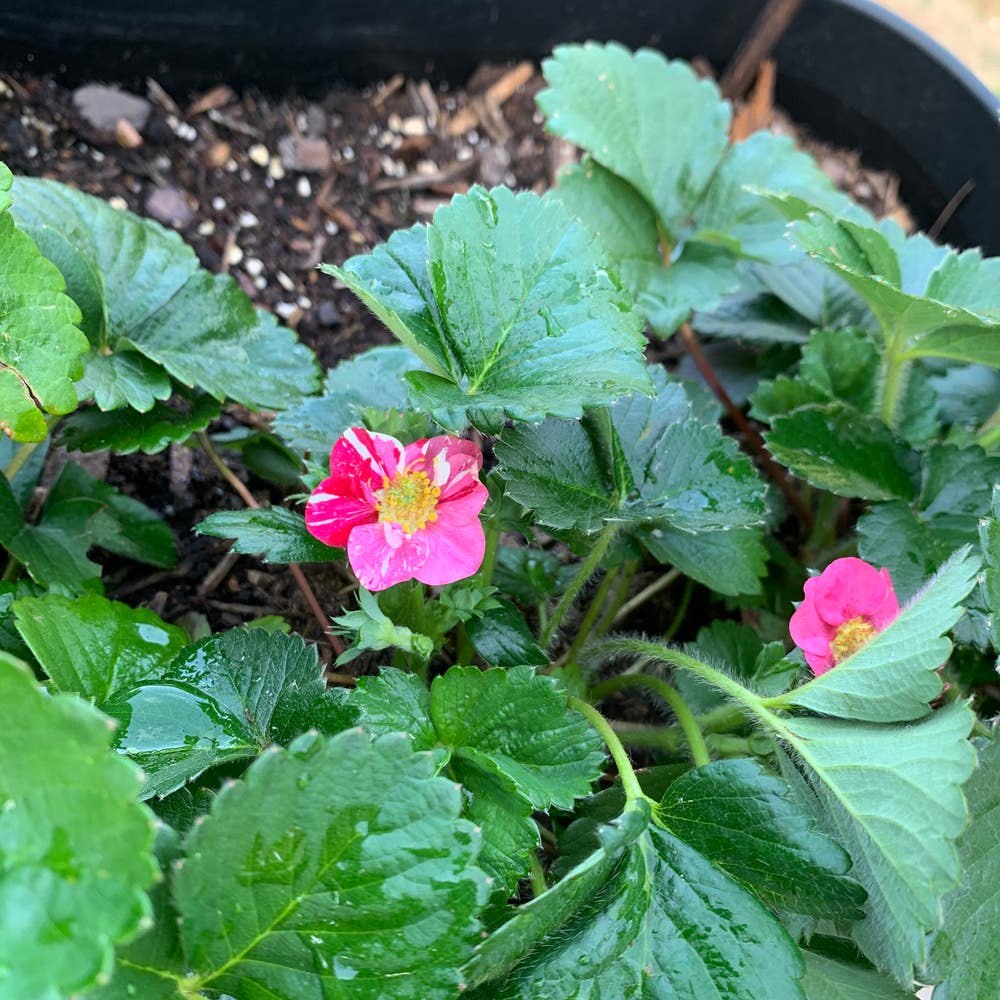
🌸 Ultimate Guide to Soil for Pink Beauty Cinquefoil
Potentilla fruticosa 'Pink Beauty'
By the Greg Editorial Team
Oct 14, 2024•5 min read
This article was created with the help of AI so we can cover more plants for you. May contain errors. See one? Report it here.
Unlock vibrant growth for your Pink Beauty Cinquefoil 🌼 by mastering essential soil care and testing techniques!
- 🌱 Signs of unhealthy soil include mold, compaction, and poor drainage for Pink Beauty Cinquefoil.
- 🧪 Regular soil testing for pH and nutrients ensures optimal conditions for healthy growth.
- 🌿 Improve drainage by mixing sand or perlite into the soil for better aeration.
Identifying Unhealthy Soil
Signs of Unhealthy Soil 🌱
Moldy Soil
If you spot white or gray mold on the surface of your soil, it’s a clear sign of trouble. This indicates excessive moisture and poor air circulation, which can lead to root rot and other issues.
Compaction
Hard, dense soil that resists digging is another red flag. Compacted soil limits root growth and water infiltration, making it difficult for your Pink Beauty Cinquefoil to thrive.
Poor Drainage
Water pooling on the surface after rain or watering is a telltale indicator of poor drainage. This can suffocate roots and create an unhealthy environment for your plants.
How to Test Soil Health 🧪
pH Testing
To assess your soil's health, start with pH testing. Use a soil pH meter or test kit annually or whenever you notice symptoms of poor health.
Moisture Levels
Check moisture levels by sticking your finger into the soil. If it feels wet beyond the top inch, you may have drainage issues that need addressing.
Common Soil Problems Specific to Cinquefoil 🌼
Waterlogged Soil
Waterlogged soil often results from heavy clay or compacted conditions. To remedy this, amend your soil with sand or perlite to improve drainage.
Nutrient Deficiency
Yellowing leaves or stunted growth are signs of nutrient deficiency. Incorporate organic fertilizers or compost to replenish essential nutrients and promote healthy growth.
Identifying these signs and testing your soil can set the stage for a thriving Pink Beauty Cinquefoil. Next, let’s explore how to resolve these soil issues effectively.
Resolving Soil Issues
🦠 Solutions for Moldy Soil
Moldy soil can be a real headache for your Pink Beauty Cinquefoil. Start by carefully removing the top layer of moldy soil to eliminate the problem.
Next, dispose of the contaminated soil properly to prevent spreading spores. To treat the remaining soil, apply fungicides or natural remedies like cinnamon, which can help prevent recurrence.
💧 Improving Soil Drainage
Good drainage is crucial for healthy plants. To enhance drainage, mix in coarse sand, which helps break up heavy soil.
Incorporating perlite is another excellent option, as it improves aeration while retaining moisture. Consider elevating your planting areas with raised beds or installing French drains to manage excess water effectively.
🌱 Rejuvenating Compacted Soil
Compacted soil can stifle root growth and water absorption. To rejuvenate it, use manual aeration methods like a garden fork to poke holes in the soil.
For larger areas, renting or purchasing mechanical aerators can save time and effort. Aim to aerate at least once a year, ideally in spring or fall, to keep your soil healthy and vibrant.
With these solutions, you can tackle common soil issues and create a thriving environment for your Pink Beauty Cinquefoil. Next, let’s explore how to create a homemade soil mix tailored specifically for this beautiful plant.
Creating a Homemade Soil Mix
Step-by-Step Guide to Making a Cinquefoil Soil Mix (difficulty: easy) 🌱
Creating the perfect soil mix for your Pink Beauty Cinquefoil is straightforward.
Gather Ingredients:
- Peat moss: 40%
- Perlite: 30%
- Compost: 30%
Mixing Process:
- Combine all ingredients in a large container.
- Ensure even distribution for consistent texture and nutrient balance.
Recommended Ingredients 🥬
Choosing the right components is crucial for healthy growth.
- Peat Moss: This ingredient retains moisture while allowing for proper drainage.
- Perlite: It enhances aeration and prevents soil compaction.
- Compost: A powerhouse for essential nutrients, compost supports robust plant health.
Ratios for Optimal Soil Texture and Nutrient Balance ⚖️
Getting the ratios right can make all the difference.
- Ideal Mix Ratio: 40% peat moss, 30% perlite, and 30% compost.
- Adjustments:
- Increase perlite for sandy soils to improve aeration.
- Add more compost if your soil is nutrient-deficient to boost fertility.
With this homemade soil mix, your Cinquefoil will thrive, showcasing its vibrant beauty.
Next, let’s explore how to maintain this soil for ongoing health and vitality.
Soil Maintenance for Pink Beauty Cinquefoil
Regular Soil Testing and Amendments 🌱
Testing your soil is crucial for the health of your Pink Beauty Cinquefoil. Aim to check the pH and nutrient levels every 6 to 12 months to ensure optimal growth.
Adjust your soil composition based on these test results. This proactive approach helps maintain a balanced environment for your plant.
Seasonal Considerations for Soil Care 🌸
Spring is the perfect time to refresh your soil mix. Adding organic fertilizers during this season boosts nutrient availability as your plant enters its active growth phase.
In the fall, prepare your soil for winter. Mulching protects against erosion and helps retain moisture, ensuring your plant stays healthy through colder months.
Best Practices for Repotting and Refreshing Soil 🌿
Repot your Cinquefoil every 2 to 3 years or when it becomes root-bound. This practice keeps your plant thriving and prevents stunted growth.
Follow these steps for a successful repotting process:
- Gently remove the plant from its pot.
- Trim any damaged roots to encourage new growth.
- Replace the old soil with your fresh homemade mix, ensuring proper drainage.
By following these maintenance tips, you’ll create a thriving environment for your Pink Beauty Cinquefoil. Next, let’s explore how to create a homemade soil mix tailored specifically for this beautiful plant.
⚠️ Safety First
This content is for general information and may contain errors, omissions, or outdated details. It is not medical, veterinary advice, or an endorsement of therapeutic claims.
Always consult a qualified healthcare professional before using any plant as food, medicine, or supplement.
Never eat any plant (or feed one to pets) without confirming its identity with at least two trusted sources.
If you suspect poisoning, call Poison Control (800) 222-1222, the Pet Poison Helpline (800) 213-6680, or your local emergency service immediately.
Spotted an error? Please report it here.
Ensure your Pink Beauty Cinquefoil flourishes by tackling soil issues head-on, and let Greg help you succeed with custom reminders and tips for optimal soil care! 🌱