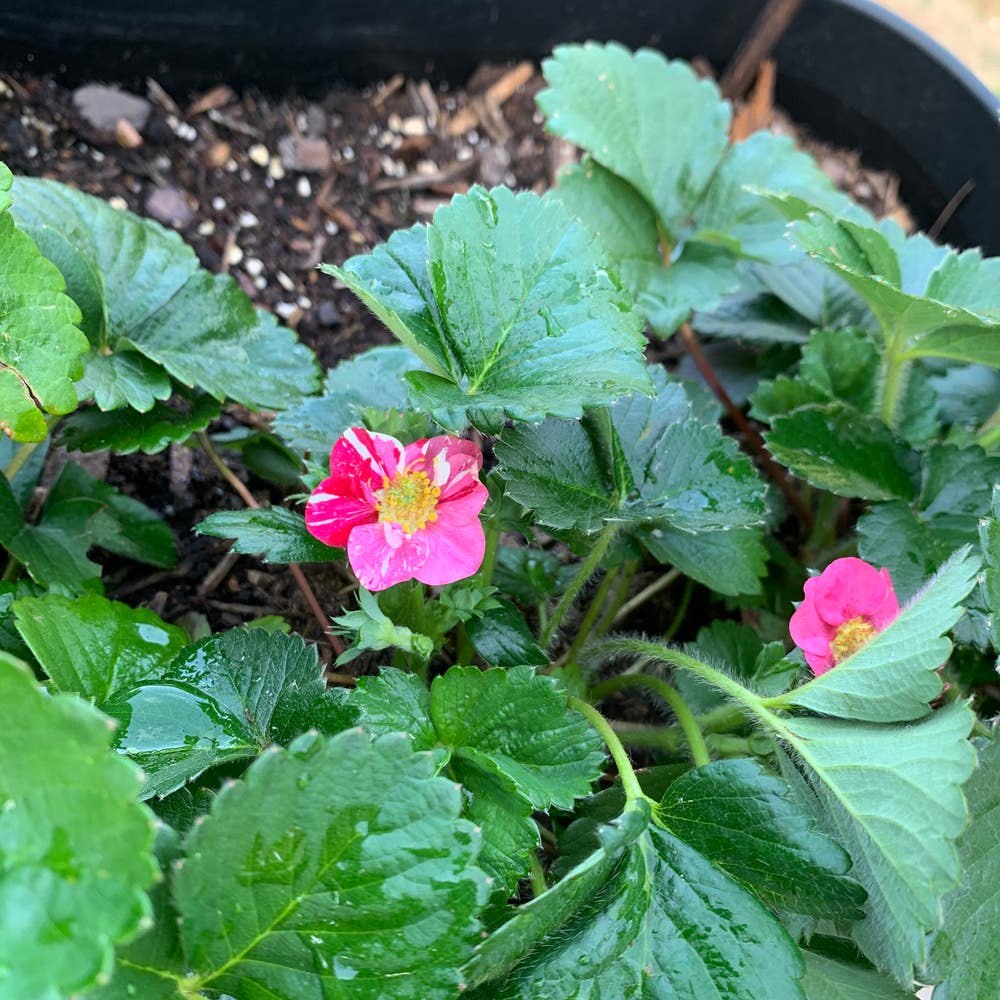
🌸 4 Perfect Plant Partners for Pink Beauty Cinquefoil
Potentilla fruticosa 'Pink Beauty'
By the Greg Editorial Team
Oct 14, 2024•5 min read
This article was created with the help of AI so we can cover more plants for you. May contain errors. See one? Report it here.
Boost your garden's health and beauty 🌼 with perfect companion plants for Pink Beauty Cinquefoil!
- 🌼 Creeping Thyme and Lavender attract pollinators while deterring pests for Pink Beauty Cinquefoil.
- 🌈 Coreopsis adds vibrant color and complements Cinquefoil, enhancing garden aesthetics beautifully.
- 🌱 Mixing textures and heights creates depth, making your garden visually stunning and healthy.
Ideal Companion Plants
Plant 1: Creeping Thyme 🌸
Creeping Thyme is a low-growing herb adorned with small purple flowers. It thrives in well-drained soil and full sun, making it a drought-tolerant choice for your garden.
This plant attracts pollinators, enhancing biodiversity in your space. Additionally, it acts as a ground cover, effectively preventing weed growth.
Plant 2: Lavender 🌿
Lavender is an aromatic herb known for its tall spikes of purple flowers. It prefers well-drained soil and full sun, and like Creeping Thyme, it is drought-tolerant.
Not only does Lavender deter pests like aphids and moths, but it also provides a contrasting height and texture to Pink Beauty Cinquefoil, making your garden visually appealing.
Plant 3: Sedum 🌼
Sedum is a succulent perennial characterized by fleshy leaves and star-shaped flowers. It thrives in poor, well-drained soil and full sun, showcasing its drought-tolerant nature.
This plant serves as a ground cover that complements the low-growing habit of Pink Beauty Cinquefoil. It also attracts pollinators and beneficial insects, enriching your garden's ecosystem.
Plant 4: Coreopsis 🌻
Coreopsis is a bright yellow flowering perennial that adds a splash of color to your garden. It prefers well-drained soil and full sun, and it’s low-maintenance, making it an easy addition.
This vibrant plant provides a striking color contrast and visual appeal alongside Pink Beauty Cinquefoil. Plus, it attracts pollinators and supports overall garden diversity.
These companion plants not only enhance the beauty of your garden but also contribute to a healthier ecosystem. Next, we'll explore how these plants can help manage pests effectively.
Pest Management
Companion Plant Benefits 🌱
Companion plants play a crucial role in pest control by acting as natural deterrents. Their unique scents and chemical properties can repel unwanted insects, creating a healthier garden environment.
Additionally, these plants can disrupt pest life cycles by attracting beneficial insects. Ladybugs and lacewings, for example, are drawn to certain companions, helping keep pests like aphids in check.
Specific Pests Facing Pink Beauty Cinquefoil 🐞
Pink Beauty Cinquefoil can encounter several common pests. Notably, aphids, spider mites, and whiteflies may pose threats to its health and vibrancy.
Understanding these pests is essential for effective management. By recognizing their presence early, you can take proactive steps to protect your plants.
Companion Plants That Deter Pests 🌼
Certain companion plants are particularly effective at repelling pests. Lavender stands out for its aromatic properties, which deter aphids and moths.
Creeping Thyme is another excellent choice. Its scent not only attracts pollinators but also helps keep harmful insects at bay.
By incorporating these companions into your garden, you can enhance the health of your Pink Beauty Cinquefoil while enjoying a vibrant, diverse ecosystem.
This approach not only supports your plants but also fosters a balanced garden environment. Next, let's explore how these companion plants contribute to the visual appeal and aesthetic benefits of your garden.
Visual Appeal and Aesthetic Benefits
🎨 Color and Texture
When it comes to creating a stunning garden, color combinations are key. Pink Beauty Cinquefoil pairs beautifully with vibrant yellow Coreopsis and rich purple Lavender, creating a lively visual feast.
These contrasting colors not only enhance the beauty of your garden but also draw the eye, making each plant stand out. The soft pink of the Cinquefoil harmonizes with the bold hues, ensuring a balanced and inviting landscape.
📏 Height and Texture Considerations
Layering plants of varying heights adds depth to your garden design. Taller plants like Lavender can serve as a backdrop, while the low-growing Cinquefoil and Sedum create a lush foreground.
Mixing textures is equally important. The fleshy leaves of Sedum contrast nicely with the upright form of Lavender, adding interest and dimension to your planting scheme. This thoughtful arrangement not only looks great but also supports a diverse ecosystem in your garden.
By carefully selecting companion plants, you can elevate the aesthetic appeal of your garden while ensuring a thriving environment for all your plants. Next, let’s explore how these companions can help manage pests effectively.
Plants to Avoid
🚫 Incompatible Companions
When planning your garden, it's crucial to know which plants to steer clear of when growing Pink Beauty Cinquefoil.
Heavy Feeders
Avoid planting heavy feeders like tomatoes and corn nearby. These plants consume a lot of nutrients, which can leave your Cinquefoil struggling for resources.
Invasive Species
Invasive plants can also be problematic. They compete aggressively for water and nutrients, potentially choking out your Cinquefoil.
❌ Reasons for Avoidance
Understanding why these plants are incompatible can help you make better choices.
Nutrient Competition
Heavy feeders and invasive species can create fierce competition for nutrients and water. This can stunt the growth of your Pink Beauty Cinquefoil, preventing it from thriving.
Pest Attraction
Additionally, some of these plants may attract pests that could harm your Cinquefoil. Keeping them at a distance helps maintain a healthy garden ecosystem.
By avoiding these incompatible companions, you can ensure that your Pink Beauty Cinquefoil flourishes alongside its ideal partners. Next, let’s explore how to enhance your garden’s visual appeal with thoughtful plant combinations.
⚠️ Safety First
This content is for general information and may contain errors, omissions, or outdated details. It is not medical, veterinary advice, or an endorsement of therapeutic claims.
Always consult a qualified healthcare professional before using any plant as food, medicine, or supplement.
Never eat any plant (or feed one to pets) without confirming its identity with at least two trusted sources.
If you suspect poisoning, call Poison Control (800) 222-1222, the Pet Poison Helpline (800) 213-6680, or your local emergency service immediately.
Spotted an error? Please report it here.
Create a vibrant garden oasis 🌼 by pairing your Pink Beauty Cinquefoil with perfect companions like Lavender and Creeping Thyme, and let Greg guide you with tailored care tips to ensure they thrive together!