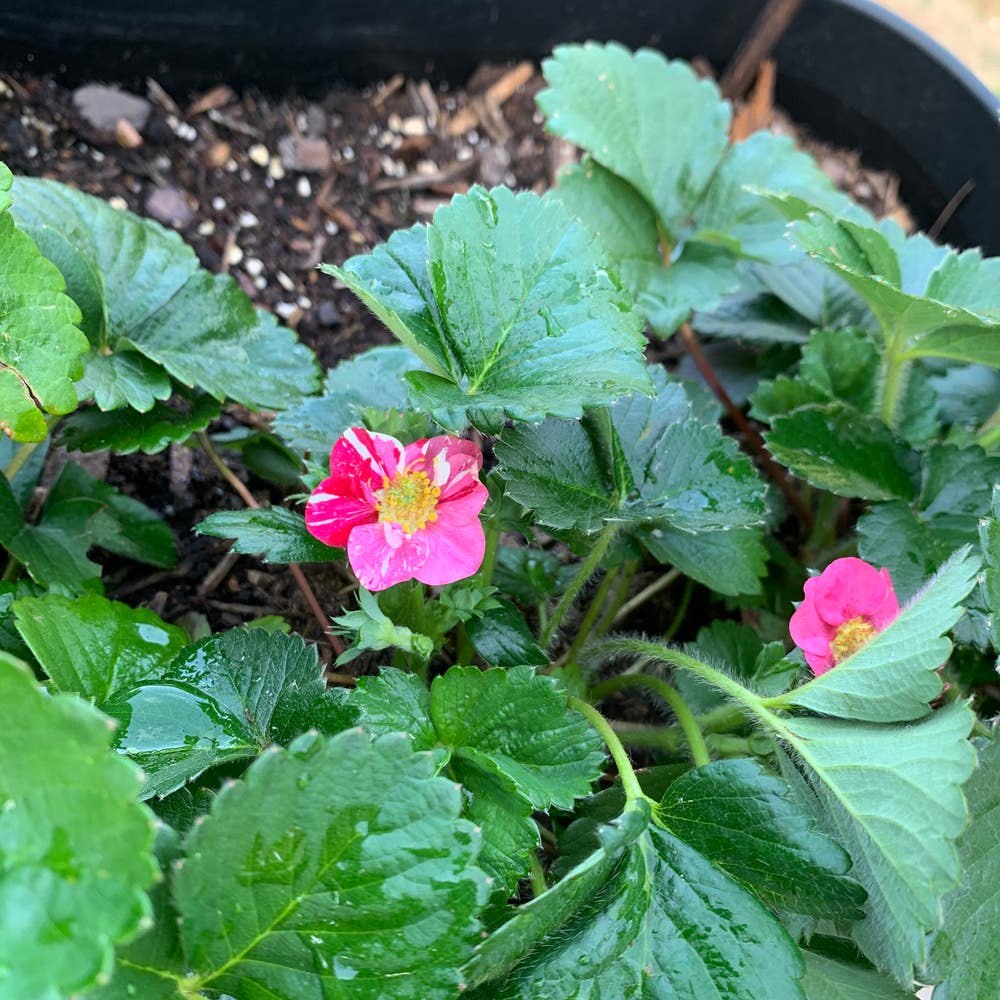
☀️ Ultimate Guide to Direct Sunlight for Pink Beauty Cinquefoil
Potentilla fruticosa 'Pink Beauty'
By the Greg Editorial Team
Oct 14, 2024•4 min read
This article was created with the help of AI so we can cover more plants for you. May contain errors. See one? Report it here.
Maximize your Pink Beauty Cinquefoil's blooms 🌸 by mastering its sunlight needs for thriving growth!
- 🌞 Pink Beauty Cinquefoil needs at least 6 hours of direct sunlight daily for optimal growth.
- ⚠️ Too much sunlight can cause stress, leading to leaf scorch and wilting.
- 🪴 Adjust placement based on window direction to maximize sunlight exposure and blooms.
Sunlight Needs of Pink Beauty Cinquefoil
🌞 Ideal Conditions
Pink Beauty Cinquefoil thrives in full sun, requiring at least six hours of direct sunlight daily. While it can tolerate partial shade, be prepared for fewer blooms and less vigorous growth.
☀️ Tolerance Levels
This plant boasts a high tolerance for direct sunlight, making it well-suited for sunny spots in your garden. Optimal flowering occurs when it receives adequate sun exposure, so aim for those bright, sunny locations.
🔆 Effects of Too Much Direct Sunlight
Excessive direct sunlight can lead to stress in your Pink Beauty Cinquefoil. Watch for signs like leaf scorch, wilting, or browning edges, which indicate that your plant may be struggling.
Long-term exposure to too much sun can reduce the plant's vigor and, if not corrected, may even lead to its demise. Keeping an eye on your plant's health is crucial for its longevity.
Environmental Factors
🌞 Role of Window Direction
The direction your windows face plays a crucial role in how much sunlight your Pink Beauty Cinquefoil receives.
- South-facing windows: These are the champions, soaking up the most direct sunlight throughout the day.
- East-facing windows: They offer gentle morning sun, which is less intense but still beneficial for growth.
- West-facing windows: Expect intense afternoon sun here; it can be too harsh for your plant.
- North-facing windows: These provide limited direct sunlight, often resulting in more indirect light.
🌍 Impact of Hemisphere on Sunlight Intensity
Sunlight intensity varies significantly depending on your hemisphere.
- In the Northern Hemisphere, summer days are longer, bringing more intense sunlight.
- Conversely, the Southern Hemisphere experiences similar patterns but with opposite seasons. Always consider your local climate when assessing sunlight exposure.
🍂 Seasonal Variations
Seasons greatly influence the sunlight your plant receives.
- During spring and summer, expect increased sunlight intensity and duration, perfect for thriving blooms.
- In fall and winter, sunlight diminishes, which may require you to adjust your plant's placement for optimal growth.
Understanding these environmental factors will help you create the best conditions for your Pink Beauty Cinquefoil. Next, we’ll explore practical tips for assessing and adjusting sunlight conditions to ensure your plant flourishes.
Practical Tips for Plant Parents
Assessing Sunlight Conditions 🌞
To ensure your Pink Beauty Cinquefoil thrives, start by observing its sunlight exposure. Take note of how sunlight patterns change throughout the day.
Using tools like a sunlight meter or a smartphone app can help you measure light intensity accurately. This data will guide you in making the best decisions for your plant's placement.
Signs of Sunlight Issues 🚨
Recognizing signs of sunlight issues is crucial for your plant's health. If you notice leaf burn, wilting, or stunted growth, your plant may be getting too much sunlight.
Conversely, if your Cinquefoil appears leggy, has fewer flowers, or displays pale leaves, it might not be receiving enough sunlight. Addressing these symptoms promptly can make all the difference.
Adjusting Placement 🔄
Adjusting your plant's placement can help optimize its sunlight exposure. Start by identifying its current sunlight conditions.
- If your Cinquefoil shows signs of too little sunlight, move it to a brighter location.
- If it exhibits signs of too much sunlight, provide shade or relocate it to a less intense spot.
These simple adjustments can significantly enhance your plant's growth and flowering potential.
With these practical tips in hand, you're well-equipped to create the ideal environment for your Pink Beauty Cinquefoil. Next, let’s explore some common misconceptions about its sunlight needs.
Common Misconceptions
🌞 Myths About Sunlight Needs
One common myth is that Pink Beauty Cinquefoil can thrive in complete shade. While it can tolerate some shade, this plant truly shines in full sun.
☀️ Clarifying Full Sun vs. Partial Shade
So, what does "full sun" really mean? It refers to at least 6 hours of direct sunlight daily.
In contrast, "partial shade" means the plant gets 3 to 6 hours of direct sunlight. This can lead to reduced flowering and growth, which is something to keep in mind if you want your Cinquefoil to flourish.
Understanding these distinctions can help you create the ideal environment for your Pink Beauty Cinquefoil. With the right sunlight conditions, you'll enjoy vibrant blooms and healthy growth.
As we move forward, let’s explore practical tips for ensuring your plant gets the right amount of sunlight.
⚠️ Safety First
This content is for general information and may contain errors, omissions, or outdated details. It is not medical, veterinary advice, or an endorsement of therapeutic claims.
Always consult a qualified healthcare professional before using any plant as food, medicine, or supplement.
Never eat any plant (or feed one to pets) without confirming its identity with at least two trusted sources.
If you suspect poisoning, call Poison Control (800) 222-1222, the Pet Poison Helpline (800) 213-6680, or your local emergency service immediately.
Spotted an error? Please report it here.
Give your Pink Beauty Cinquefoil the sunshine it craves for vibrant blooms 🌞—let Greg help you track sunlight exposure and optimize its placement for thriving growth!