🔍 Identifying What is Eating Your Cyperus 'Cleopatra'
Cyperus involucratus 'Cleopatra'
By the Greg Editorial Team
Oct 19, 2024•8 min read
This article was created with the help of AI so we can cover more plants for you. May contain errors. See one? Report it here.
Safeguard your Cyperus 'Cleopatra' from hungry herbivores while boosting your garden's ecosystem! 🌱
- 🌱 Cyperus 'Cleopatra' attracts herbivores like deer and rabbits, requiring protective measures.
- 🦋 Beneficial insects enhance plant health, balancing attraction and deterrence in your garden.
- 🛡️ Seasonal vigilance is crucial; young shoots are especially vulnerable in spring.
Description and Appeal
Appearance and Growth 🌿
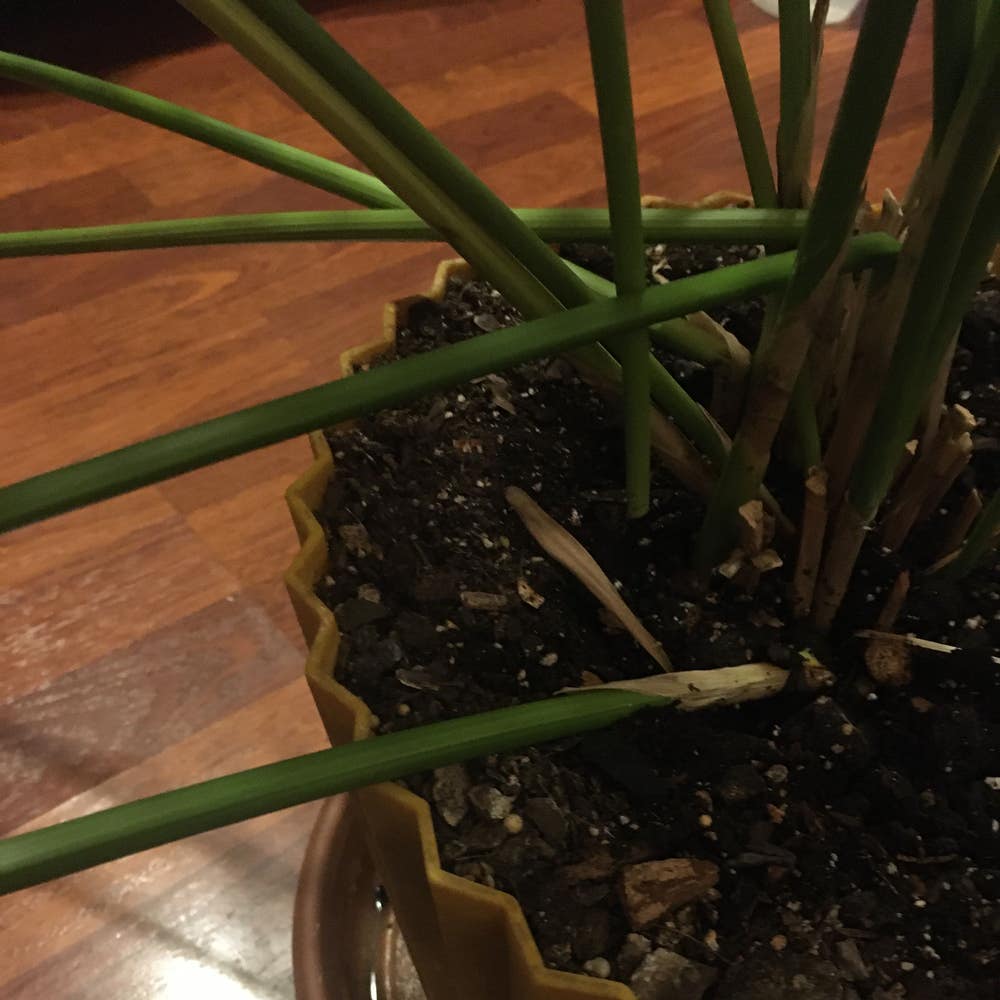
Cyperus 'Cleopatra' is a stunning plant known for its lush, green foliage that creates a tufted appearance. Typically reaching heights of 2-3 feet, it boasts a clumping growth habit, with multiple stems emerging from a central base.
To thrive, this plant prefers moist, well-drained soils, making it an excellent choice for gardens that can provide these ideal conditions. Its vibrant look not only enhances your landscape but also offers a unique texture that draws the eye.
Most Appealing Parts to Animals 🐾
The flowers of Cyperus 'Cleopatra' are particularly attractive, drawing in both pollinators and herbivores alike. These blooms not only add beauty but also play a crucial role in the ecosystem.
Seeds from the plant are nutrient-rich and easily accessible, making them a favorite snack for various animals. Additionally, the young shoots are tender and palatable, especially appealing to herbivores looking for a fresh meal.
This combination of appealing features makes Cyperus 'Cleopatra' a magnet for wildlife, which can be both a blessing and a challenge for gardeners. Understanding what attracts these animals is key to protecting your plant while enjoying its beauty.
As we explore the common herbivores that might be drawn to your Cyperus 'Cleopatra,' it's essential to recognize the signs of their presence and the types of damage they can cause.
Common Herbivores
🦌 Deer
Signs of Presence
Look for distinct hoof prints in muddy areas, which indicate deer activity. You may also find dark, pellet-like droppings near your Cyperus 'Cleopatra'.
Type of Damage
Deer often browse on leaves and young shoots, stripping them bare. Heavy feeding can lead to broken stems, compromising the plant's health.
Interaction
Deer are generally harmful to your plants. If left unmanaged, they can decimate populations quickly.
Deterrent Methods (difficulty: moderate)
To deter deer, consider installing 8-foot tall fencing to prevent access. You can also use commercial deer repellents or homemade solutions like garlic spray.
🐇 Rabbits
Signs of Presence
Rabbits leave clean cuts on the edges of leaves, indicating they've been munching. Small, round pellets scattered around the base are another telltale sign.
Type of Damage
These critters graze on young shoots and tender leaves, significantly reducing plant vigor. Their feeding habits can stunt growth and overall health.
Interaction
Rabbits are generally harmful to your plants. Their appetite can lead to noticeable declines in plant strength.
Deterrent Methods (difficulty: easy)
Netting is an effective way to cover your plants and prevent rabbit access. You can also use organic repellents, such as scents like peppermint or cayenne pepper, to keep them at bay.
🐿️ Squirrels
Signs of Presence
Look for distinct gnaw marks on stems, a clear sign of squirrel activity. You may also notice disturbed soil around the base of the plant from their digging.
Type of Damage
Squirrels can disturb roots through digging and weaken stems by chewing. This damage can stunt growth and lead to overall decline.
Interaction
Squirrels are generally harmful to your plants. Their feeding habits can lead to stunted growth and weakened structures.
Deterrent Methods (difficulty: moderate)
To deter squirrels, use scare tactics like reflective objects or noise-makers. Live traps can also help relocate them safely.
🐦 Birds
Signs of Presence
Frequent sightings of birds around your plant are a good indicator of their presence. Look for visible peck marks on flowers and seeds as well.
Type of Damage
Birds often consume seeds before they can germinate, leading to reduced plant reproduction. Pecking can also damage flowers, detracting from their aesthetic value.
Interaction
Birds have a mixed impact. While some may help control pests, others can cause significant damage to your plants.
Deterrent Methods (difficulty: easy)
Using predator decoys can scare birds away effectively. Hanging shiny objects can also deter them from feasting on your plants.
🐭 Rodents (Mice, Voles)
Signs of Presence
Look for small burrows or pathways near your plant, which indicate rodent activity. You may also find small, dark pellets in the vicinity.
Type of Damage
Rodents can gnaw on roots, leading to plant decline. They may also weaken the plant structure by chewing on stems.
Interaction
Rodents are generally harmful to your plants. Their feeding can cause significant damage and decline.
Deterrent Methods (difficulty: moderate)
Set snap traps or live traps for effective rodent control. Modifying the habitat to reduce cover around the garden can also deter them.
🦡 Groundhogs/Woodchucks
Signs of Presence
Look for large holes dug near your plant, indicating groundhog activity. Chewed plants will show distinctive grazing patterns on foliage.
Type of Damage
Groundhogs can completely strip plants of foliage through extensive grazing. Their feeding can devastate garden areas.
Interaction
Groundhogs are generally harmful to your plants. Their impact can be severe, leading to significant loss.
Deterrent Methods (difficulty: hard)
Consider strong barriers, such as fencing at least 3 feet high and buried underground, to keep them out. You can also use commercial or homemade repellents like castor oil for added protection.
This overview of common herbivores highlights the challenges they pose to your Cyperus 'Cleopatra'. Understanding their signs, types of damage, and effective deterrent methods will empower you to protect your plants effectively. Next, we’ll explore beneficial animals that can enhance your garden ecosystem.
Beneficial Animals
🐞 Description of Beneficial Insects
Beneficial insects play a crucial role in maintaining a healthy garden ecosystem. Pollinators like bees and butterflies are drawn to the vibrant flowers of your Cyperus 'Cleopatra,' ensuring that your plants can reproduce effectively.
Predatory insects, such as ladybugs and lacewings, help keep pest populations in check. They feast on aphids and other harmful bugs, reducing the need for chemical interventions.
🌍 Positive Impacts on the Ecosystem
The presence of these beneficial insects enhances fruit and seed production through effective pollination. This natural process not only boosts your garden's yield but also contributes to the overall health of the environment.
Additionally, these insects provide essential pest control, minimizing the reliance on synthetic pesticides. By fostering a diverse insect population, you create a balanced ecosystem that supports plant health and resilience.
Incorporating beneficial insects into your gardening strategy can lead to a thriving, sustainable environment. Understanding their roles helps you appreciate the intricate web of life that surrounds your plants.
Next, let’s explore effective protection strategies to safeguard your Cyperus 'Cleopatra' from potential threats.
Protection Strategies
🛡️ Preventive Measures
Fencing is one of the most effective ways to deter larger herbivores from munching on your Cyperus 'Cleopatra.' A sturdy barrier, ideally at least 8 feet tall, can keep deer and other large animals at bay.
Companion planting is another smart strategy. By introducing plants that repel herbivores or attract beneficial insects, you can create a more balanced ecosystem around your garden.
⚠️ Reactive Solutions
When prevention isn't enough, traps can provide immediate control for rodent populations. Snap traps or live traps can help you manage unwanted visitors effectively.
Repellents, both chemical and organic, offer additional options for protecting your plants. Homemade solutions, like garlic spray, can be particularly effective against various herbivores.
🌱 Balancing Ecosystem Health
Understanding the role of herbivores in the ecosystem is crucial. While they can be damaging, they also contribute to nutrient cycling and biodiversity.
Implementing integrated pest management strategies allows you to balance plant health with ecological integrity. This approach not only protects your plants but also fosters a thriving garden environment.
By combining these protective measures, you can create a resilient garden that thrives despite the challenges posed by herbivores. Next, we’ll explore seasonal considerations that affect animal attraction and plant vulnerability.
Seasonal Considerations
Variations in Animal Attraction 🦙
As the seasons change, so does the activity of herbivores around your Cyperus 'Cleopatra'. In spring, when new growth emerges, herbivores become particularly active, eager to munch on fresh foliage.
Summer marks the peak feeding times for many animals. With lush greenery available, they can significantly impact your plant's health if not monitored.
Timing of Vulnerability ⏳
Young shoots are especially vulnerable in early spring. This is when they are tender and most appealing to hungry herbivores.
Later in the season, seed production can attract birds looking for a nutritious snack. This shift in focus means you need to stay vigilant throughout the growing season to protect your plants.
Understanding these seasonal patterns helps you anticipate potential threats and take proactive measures to safeguard your garden.
Toxicity and Safety
🐾 Toxic Effects on Animals
Cyperus 'Cleopatra' exhibits mild toxicity, which can lead to potential adverse effects on some herbivores. While not lethal, these effects can deter animals from frequenting your garden.
⚖️ Implications for Interactions
Understanding this balance between attraction and deterrence is crucial for managing plant health. By recognizing the mild toxicity, you can better strategize how to protect your plants while still attracting beneficial pollinators and insects.
This knowledge empowers you to create a thriving ecosystem, ensuring your Cyperus 'Cleopatra' flourishes amidst the challenges posed by herbivores. Next, we’ll explore effective protection strategies to safeguard your plants.
⚠️ Safety First
This content is for general information and may contain errors, omissions, or outdated details. It is not medical, veterinary advice, or an endorsement of therapeutic claims.
Always consult a qualified healthcare professional before using any plant as food, medicine, or supplement.
Never eat any plant (or feed one to pets) without confirming its identity with at least two trusted sources.
If you suspect poisoning, call Poison Control (800) 222-1222, the Pet Poison Helpline (800) 213-6680, or your local emergency service immediately.
Spotted an error? Please report it here.
Protect your Cyperus 'Cleopatra' from hungry herbivores with Greg's tailored care tips 🌱 that help you implement effective deterrents and keep your plant flourishing!