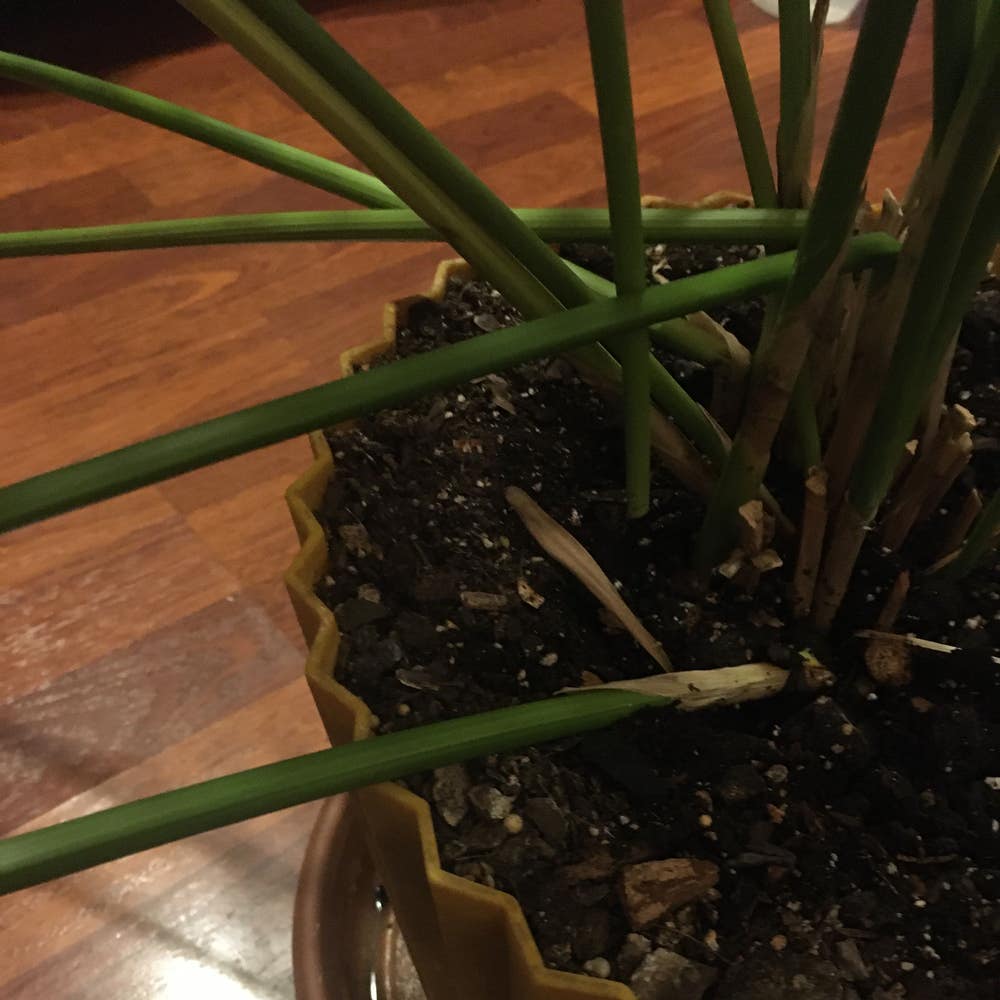
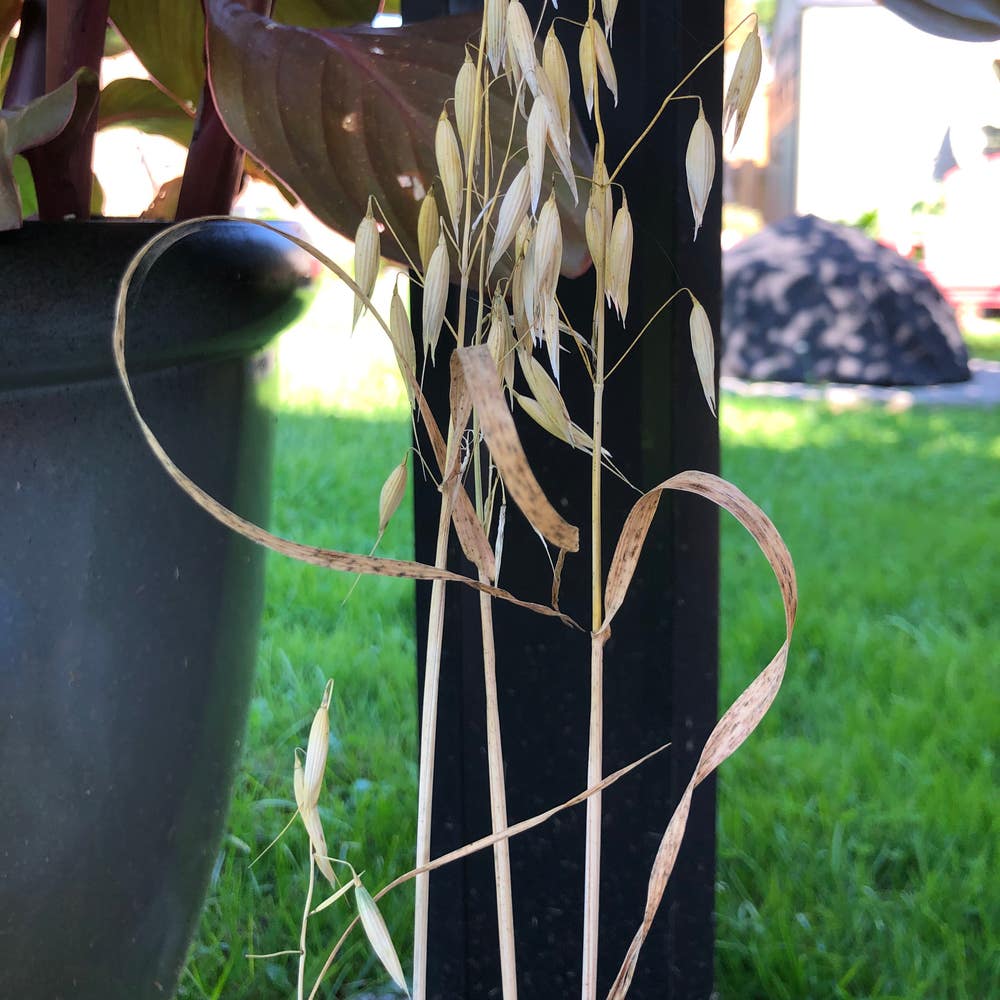
Why Your Cyperus 'Cleopatra' Leaves Are Dropping 🥀
Cyperus involucratus 'Cleopatra'
By the Greg Editorial Team
Oct 19, 2024•5 min read
This article was created with the help of AI so we can cover more plants for you. May contain errors. See one? Report it here.
Transform your Cyperus 'Cleopatra' from droopy to dazzling 🌿 with these expert tips for diagnosing and treating leaf drop!
- 🌱 Leaf drop signals issues: check for overwatering, underwatering, or nutrient deficiencies.
- 💧 Yellow leaves mean overwatering, while browning indicates underwatering. Adjust care accordingly.
- 🌡️ Humidity and temperature matter: use a hygrometer to ensure optimal conditions for growth.
Diagnosing Leaf Drop
🩺 Identifying Symptoms
When your Cyperus 'Cleopatra' starts dropping leaves, the first step is to identify the symptoms. Look for leaf color changes; yellowing often indicates overwatering, while browning can signal underwatering.
Next, assess the leaf texture. Soft leaves may suggest excessive moisture, whereas crispy leaves often point to dryness. Finally, evaluate the overall plant vigor; stunted growth or wilting can indicate deeper issues.
🌡️ Assessing Environmental Conditions
Environmental factors play a crucial role in plant health. Start by checking the temperature with a thermometer; Cyperus 'Cleopatra' thrives in a warm environment.
Humidity is equally important. Use a hygrometer to measure moisture levels in the air. Additionally, identify any drafts from windows or vents that could stress your plant, and take steps to mitigate them.
💧 Checking Soil Moisture Levels
Soil moisture is vital for your plant's well-being. Conduct a finger test or use a moisture meter to gauge the soil's dampness.
The ideal moisture level is consistently moist but not soggy. Look for visual cues like soil texture; overly dry or waterlogged soil can lead to leaf drop.
🐛 Inspecting for Pests
Pests can be a hidden culprit behind leaf drop. Conduct a visual inspection, focusing on the undersides of leaves and stem joints where pests often hide.
Sticky traps can help monitor pest populations effectively. Make it a habit to check your plant weekly to catch any infestations early.
🥦 Evaluating Nutrient Levels
Nutrient deficiencies can also cause leaf drop. Use soil testing kits to assess the nutrient content of your soil.
Watch for signs of deficiency, such as leaf discoloration or unusual growth patterns. Adjust your fertilization routine based on soil test results to ensure your plant gets the nutrients it needs.
By diagnosing these factors, you can better understand why your Cyperus 'Cleopatra' is experiencing leaf drop. This knowledge sets the stage for effective treatment and long-term care.
Treating Leaf Drop
🏃 Immediate Actions to Take
Start by assessing the current conditions of your Cyperus 'Cleopatra'. Check the light, water, and humidity levels to ensure they are optimal for growth.
Next, remove any affected leaves. Pruning these leaves can help the plant focus its energy on new growth.
📅 Adjusting Watering Schedule
Creating a watering calendar can be a game-changer. Consider using the Greg plant care app to set reminders for when to water your plant.
Regularly monitor soil moisture to avoid extremes. Adjust your watering frequency based on the season; warmer months typically require more frequent watering.
💧 Increasing Humidity
Implementing humidity trays is an effective way to boost moisture levels. Simply fill trays with water and pebbles to create a mini-humid environment.
Using a humidifier can also help maintain consistent humidity levels. Additionally, grouping plants together can increase localized humidity, benefiting all your greenery.
🐞 Pest Treatment Options
For pest issues, consider organic solutions like neem oil or insecticidal soap. These options are effective and less harsh on your plant.
If you opt for chemical treatments, always follow the label instructions carefully. Regular monitoring after treatment is crucial to ensure effectiveness and prevent future infestations.
🌱 Soil Amendments for Nutrient Balance
Adding organic matter, such as compost or worm castings, can significantly improve soil health. This enriches the soil and provides essential nutrients.
Adjusting pH levels may also be necessary. Use soil amendments as needed and conduct regular soil testing to ensure nutrient levels remain optimal.
By taking these steps, you can effectively treat leaf drop in your Cyperus 'Cleopatra' and promote a healthier, more vibrant plant. Next, let’s explore long-term care strategies to keep your plant thriving.
Long-term Care for Cyperus 'Cleopatra'
🌦️ Seasonal Care Adjustments
Taking care of your Cyperus 'Cleopatra' means adjusting your approach with the seasons.
In winter, reduce watering and keep an eye on light exposure to prevent stress.
As summer rolls in, increase humidity and watering frequency to keep your plant thriving.
Spring is the time to fertilize and consider repotting if your plant shows signs of growth.
👀 Monitoring Plant Health
Regular visual checks are essential for spotting stress or pest issues early.
Keeping a care journal can help you document changes and adjustments, making it easier to track what works.
Be responsive to your plant's needs; adjusting care based on observations can lead to a healthier, happier plant.
🏡 Best Practices for Indoor Growth
Placement is key for indoor growth. Avoid drafts and direct heat sources to create a stable environment.
Regularly clean the leaves to improve photosynthesis and overall health.
Rotating your plants ensures even growth and light exposure, helping them flourish.
🌱 Repotting Guidelines
Repot your Cyperus 'Cleopatra' every 1-2 years or when it becomes root-bound.
Choose a pot that ensures adequate drainage to prevent waterlogging.
During the repotting process, gently remove the plant, inspect the roots, and refresh the soil for optimal growth.
By following these long-term care tips, you’ll set your Cyperus 'Cleopatra' up for success, ensuring it remains a vibrant addition to your indoor garden.
⚠️ Safety First
This content is for general information and may contain errors, omissions, or outdated details. It is not medical, veterinary advice, or an endorsement of therapeutic claims.
Always consult a qualified healthcare professional before using any plant as food, medicine, or supplement.
Never eat any plant (or feed one to pets) without confirming its identity with at least two trusted sources.
If you suspect poisoning, call Poison Control (800) 222-1222, the Pet Poison Helpline (800) 213-6680, or your local emergency service immediately.
Spotted an error? Please report it here.
Keep your Cyperus 'Cleopatra' thriving 🌿 by using Greg's personalized watering reminders and care tips to prevent leaf drop and ensure optimal growth!