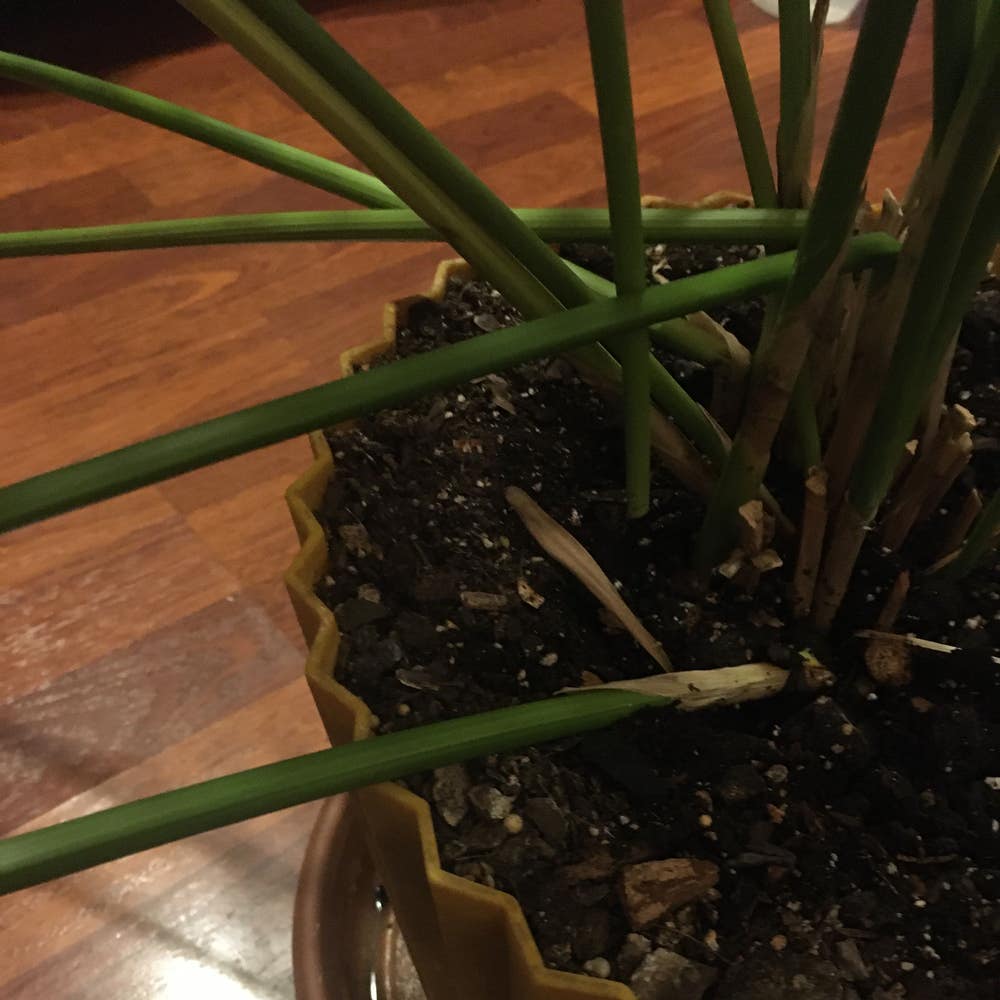
🌴 How to Fix Leaves Falling Over on Your Cyperus 'Cleopatra'
Cyperus involucratus 'Cleopatra'
By the Greg Editorial Team
Oct 19, 2024•6 min read
This article was created with the help of AI so we can cover more plants for you. May contain errors. See one? Report it here.
Revive your drooping Cyperus 'Cleopatra' 🌿 with essential tips for watering, light, and pest control!
- 💧 Overwatering and underwatering cause drooping leaves; maintain consistent moisture levels.
- 🌞 Bright, indirect light and humidity between 60-80% are crucial for healthy growth.
- 🐛 Pests like spider mites weaken plants; early detection prevents severe infestations.
Causes of Leaves Falling Over
💧 Overwatering and Its Effects
Overwatering is a common issue that can lead to several alarming symptoms. Look out for yellowing leaves, mushy stems, and drooping foliage, all of which signal that your Cyperus 'Cleopatra' is struggling.
The roots are particularly vulnerable in these conditions. Excess moisture can cause root rot, which stems from poor soil drainage, ultimately harming your plant's health.
🚰 Underwatering and Dehydration
On the flip side, underwatering can also wreak havoc. Symptoms include crispy leaf edges, wilting, and drooping leaves, indicating that your plant is in distress.
Consistent moisture is crucial for your plant's well-being. Regular watering helps prevent stress and keeps your Cyperus thriving.
💡 Insufficient Light Conditions
Insufficient light can lead to weak growth and other telltale signs. If you notice stretched stems and pale leaves, your plant may not be getting enough light.
Cyperus 'Cleopatra' thrives in bright, indirect light. Ensuring it receives adequate light is essential for healthy foliage.
🌫️ High Humidity vs. Low Humidity
Humidity plays a significant role in your plant's health. Ideally, humidity levels should be between 60-80% for optimal growth.
Low humidity can lead to leaf droop and browning tips. Dry air can be detrimental, so maintaining the right humidity is key.
🐜 Pest Infestations
🕷️ Spider Mites
Spider mites can be a sneaky threat to your plant. Look for webbing on leaves and a stippled appearance, which are signs of infestation.
These pests weaken your plant, leading to drooping leaves. Early detection is crucial to prevent severe damage.
🐞 Aphids
Aphids are another pest to watch out for. Signs include sticky residue on leaves and curled foliage, indicating an infestation.
Act quickly with control methods, as early detection and treatment are vital for keeping your plant healthy.
🌱 Nutrient Deficiencies
Nutrient deficiencies can also contribute to leaves falling over. Common deficiencies include nitrogen, potassium, and magnesium.
Symptoms often manifest as yellowing leaves and stunted growth. Addressing these deficiencies is essential for your plant's vitality.
Understanding these causes will help you diagnose and treat your Cyperus 'Cleopatra' effectively. Next, we’ll explore how to diagnose the specific problems affecting your plant.
Diagnosing the Problem
🚰 Signs of Overwatering
Overwatering can be a sneaky culprit behind drooping leaves. Look for yellowing leaves, mushy stems, and a foul odor emanating from the soil.
To confirm, perform a soil test. If the soil feels soggy and drainage seems poor, it’s a clear sign that your Cyperus 'Cleopatra' is drowning.
💧 Signs of Underwatering
On the flip side, underwatering can also lead to distress. Watch for wilting leaves, crispy edges, and drooping foliage as indicators of dehydration.
A quick soil test can help here too. If the soil is dry and the roots appear unhealthy, it’s time to adjust your watering routine.
🐛 Identifying Pest Damage
Pests can wreak havoc on your plant's health. Conduct a visual inspection for any pests or signs of damage on the leaves.
Regular checks are crucial. Early detection can prevent severe infestations that could lead to drooping leaves and overall decline.
🌤️ Assessing Environmental Conditions
Environmental factors play a significant role in your plant's well-being. Start by evaluating the amount of light your Cyperus receives.
Next, measure humidity levels. Ensuring that humidity meets the plant's needs is essential for maintaining its health and preventing leaf droop.
By diagnosing these issues accurately, you can take the necessary steps to revive your Cyperus 'Cleopatra' and keep it thriving. Now, let’s explore effective solutions and treatments to address these problems.
Solutions and Treatments
🌊 Adjusting Watering Practices
Establish a watering schedule: Water your Cyperus 'Cleopatra' when the top inch of soil feels dry. This helps prevent both overwatering and underwatering.
Use well-draining soil: Choose a soil mix that allows excess water to escape. This is crucial for preventing root rot.
Monitor water levels: Adjust your watering frequency based on seasonal changes and humidity levels. Plants may need more water in warmer months.
💡 Improving Light Exposure
Relocate the plant: If your plant is stretching or showing pale leaves, consider moving it to a brighter spot. Bright, indirect light is ideal for healthy growth.
Use grow lights: During darker months, supplement natural light with grow lights. This can help maintain your plant's vigor.
💧 Increasing Humidity Levels
- Methods to increase humidity:
- Grouping plants together: This creates a microenvironment with higher humidity.
- Using a humidifier: A great way to maintain consistent moisture in the air.
- Placing a tray of water near the plant: This adds moisture to the air as it evaporates.
🐞 Pest Control Methods
Organic options: Consider using neem oil or insecticidal soap to combat pests. Introducing beneficial insects can also help maintain a healthy ecosystem.
Regular monitoring: Keep an eye on your plant for any signs of pests. Early detection is key to preventing severe infestations.
🌱 Fertilization Tips for Healthy Growth
Recommended fertilizers: Use a balanced NPK fertilizer during the growing season. This supports robust growth and vibrant foliage.
Frequency: Feed your plant monthly during active growth periods. This ensures it receives the nutrients it needs to thrive.
By implementing these solutions, you can help your Cyperus 'Cleopatra' regain its strength and vitality. Next, let’s explore preventative measures to keep your plant healthy long-term.
Preventative Measures
Best Practices for Care 🌱
Regular watering is crucial for your Cyperus 'Cleopatra.' Aim to maintain consistent moisture without overwatering, as this can lead to root rot.
Ensure your plant receives optimal light conditions. Bright, indirect light is essential for healthy growth and vibrant foliage.
Seasonal Adjustments for Optimal Health 🌦️
Adjust your care routine based on the seasons. During summer, you may need to water more frequently, while in winter, reduce watering to prevent over-saturation.
Keep an eye on temperature changes. Stable conditions help your plant thrive and reduce stress.
Monitoring Plant Health Regularly 🔍
Routine checks are vital for spotting signs of stress or pest issues early. Regularly inspect your plant to catch any problems before they escalate.
Consider keeping a care journal. Documenting changes and adjustments can help you track what works best for your plant and improve your care routine over time.
By implementing these preventative measures, you can ensure your Cyperus 'Cleopatra' remains healthy and vibrant, setting the stage for a flourishing plant. Next, let’s explore how to diagnose specific problems when they arise.
⚠️ Safety First
This content is for general information and may contain errors, omissions, or outdated details. It is not medical, veterinary advice, or an endorsement of therapeutic claims.
Always consult a qualified healthcare professional before using any plant as food, medicine, or supplement.
Never eat any plant (or feed one to pets) without confirming its identity with at least two trusted sources.
If you suspect poisoning, call Poison Control (800) 222-1222, the Pet Poison Helpline (800) 213-6680, or your local emergency service immediately.
Spotted an error? Please report it here.
Keep your Cyperus 'Cleopatra' thriving 🌿 by using Greg's tailored watering reminders and humidity tips to prevent leaf drop and ensure vibrant growth!