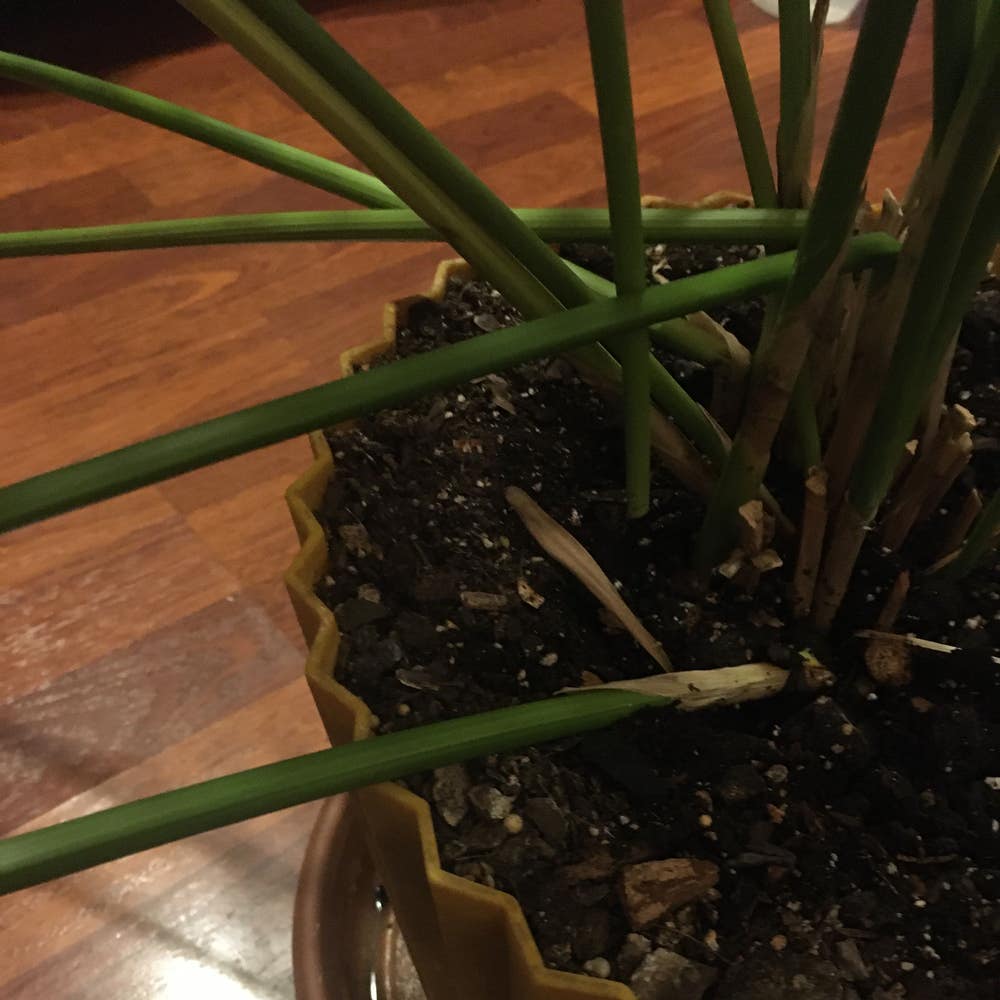
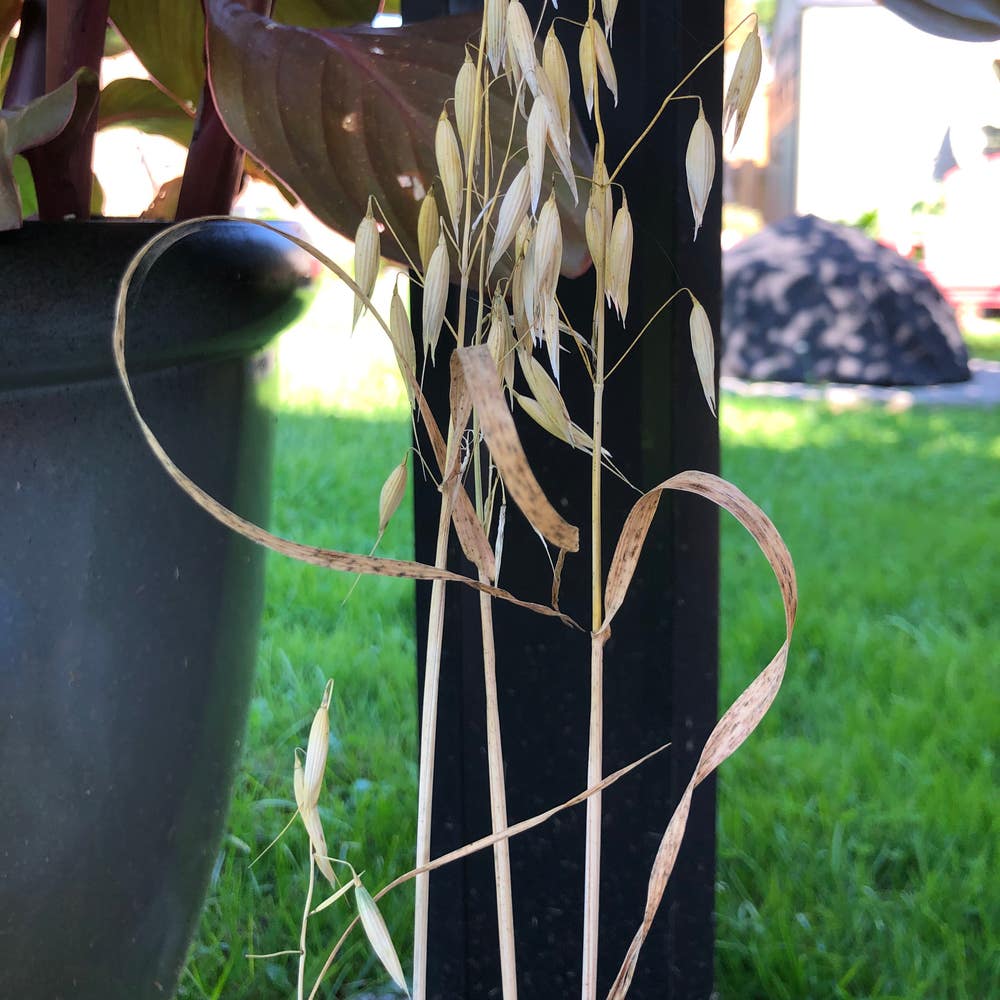
Best Tips for Droopy Leaves on Cyperus 'Cleopatra' 😢
Cyperus involucratus 'Cleopatra'
By the Greg Editorial Team
Oct 19, 2024•6 min read
This article was created with the help of AI so we can cover more plants for you. May contain errors. See one? Report it here.
Revive your droopy Cyperus 'Cleopatra' 🌱 with essential tips for watering, humidity, and pest control!
- 💧 Droopy leaves indicate overwatering or underwatering; check moisture levels regularly.
- 🌬️ Humidity between 50-70% is crucial; use humidifiers or pebble trays to maintain it.
- 🐛 Pests like spider mites can cause drooping; inspect plants weekly for early detection.
Causes of Droopy Leaves
💧 Overwatering and Its Effects
Overwatering is a common issue for Cyperus 'Cleopatra' that manifests through yellowing leaves, mushy stems, and a foul smell from the soil. Consistently soggy soil can lead to root rot, which is detrimental to the plant's health.
To prevent this, maintain soil moisture at a consistently moist level without waterlogging. Regularly check the soil to ensure it’s not overly saturated.
🌵 Underwatering and Dehydration
On the flip side, underwatering can cause crispy leaf edges, wilting, and dry soil. Cyperus 'Cleopatra' thrives in moist environments, making regular watering essential.
Aim to check soil moisture weekly and adjust your watering frequency based on environmental conditions. This will help keep your plant hydrated and happy.
🌫️ Low Humidity Levels
Humidity plays a crucial role in the health of your Cyperus 'Cleopatra.' The ideal humidity levels range from 50-70% for optimal growth.
Signs of low humidity include leaf curling, browning tips, and drooping leaves. To increase humidity, consider using a humidifier, setting up pebble trays, or grouping your plants together.
🐜 Pest Infestations
Common Pests
Pests can also contribute to droopy leaves. Spider mites leave tiny webs and cause stippled leaves, while aphids create sticky residue and distorted growth.
Control Methods
To combat these pests, use organic insecticidal soap or neem oil as treatment. Regular monitoring is key for early detection and effective control.
🌱 Nutrient Deficiencies
Nutrient deficiencies can lead to drooping leaves as well. Common deficiencies include nitrogen, potassium, and magnesium, which manifest as yellowing leaves and poor growth.
To address this, use a balanced liquid fertilizer every 4-6 weeks during the growing season. This will help ensure your plant receives the nutrients it needs to thrive.
Understanding these causes will empower you to take action and restore your Cyperus 'Cleopatra' to its vibrant self. Next, we’ll explore how to diagnose droopy leaves effectively.
Diagnosing Droopy Leaves
👀 Visual Signs to Look For
When diagnosing droopy leaves on your Cyperus 'Cleopatra', start by examining the leaf color. Yellowing or browning leaves can signal specific issues, such as overwatering or nutrient deficiencies.
Next, consider the leaf texture. Crispy or mushy textures provide vital clues about your watering practices, helping you pinpoint the problem more accurately.
💧 Differentiating Between Overwatering and Underwatering
Understanding the difference between overwatering and underwatering is crucial. Overwatering typically results in soggy soil, yellowing leaves, and potential root rot.
In contrast, underwatering manifests as dry soil, crispy leaf edges, and wilting. Recognizing these signs can help you take corrective action promptly.
🐛 Identifying Pest Damage
Pest infestations can also lead to droopy leaves. Look closely for visible pests on the leaves and stems, as they can cause significant damage.
Additionally, check for signs of sticky residue or webbing. These indicators often point to common pests like spider mites or aphids.
🌬️ Assessing Environmental Conditions
Environmental factors play a significant role in plant health. Measure humidity levels using a hygrometer to ensure they fall within the ideal range.
Also, monitor temperature fluctuations and drafts in your plant's location. Stable conditions are essential for keeping your Cyperus 'Cleopatra' thriving.
By carefully assessing these visual signs, watering practices, pest damage, and environmental conditions, you can effectively diagnose the causes of droopy leaves. This understanding sets the stage for implementing the right solutions to restore your plant's health.
Solutions for Droopy Leaves
Adjusting Watering Practices 🌊
- Check soil moisture: Use your finger or a moisture meter to gauge how wet the soil is.
- Watering schedule: Establish a routine that aligns with your plant's environment.
- Drainage: Ensure pots have drainage holes to prevent waterlogging, which can lead to root rot.
Increasing Humidity Levels 💧
- Use a humidifier: Set it to maintain humidity levels between 50-70%.
- Create a pebble tray: Fill a shallow tray with water and pebbles, placing the pot on top to boost moisture.
- Group plants: Cluster your plants together to create a micro-humid environment that benefits all.
Treating Pest Infestations 🐜
- Identify the pest: Use a magnifying glass if necessary to spot tiny invaders.
- Apply treatment: Use insecticidal soap or neem oil as directed to tackle the problem.
- Monitor progress: Check your plants weekly for signs of recovery or any new issues.
Fertilization Tips for Healthy Growth 🌱
- Use a balanced fertilizer: Follow package instructions for proper dilution.
- Apply during the growing season: Fertilize every 4-6 weeks to ensure your plant gets the nutrients it needs.
Environmental Adjustments 🌍
- Maintain stable temperatures: Keep your plant away from drafts and heat sources to avoid stress.
- Provide indirect light: Avoid direct sunlight, which can scorch the leaves and contribute to drooping.
By implementing these solutions, you can help your Cyperus 'Cleopatra' thrive and maintain its vibrant appearance. Next, let’s explore some preventative measures to keep those droopy leaves at bay!
Preventative Measures
Best Practices for Watering 💧
Watering your Cyperus 'Cleopatra' consistently is crucial. Regularly check soil moisture to ensure it stays adequately hydrated.
Using well-draining soil is equally important. This helps prevent root rot, allowing your plant to thrive.
Maintaining Optimal Humidity 🌫️
Humidity plays a vital role in your plant's health. Regularly check humidity levels and adjust as needed, especially with seasonal changes.
Consider using humidity-boosting methods like pebble trays or grouping plants together. These strategies create a more favorable environment for your Cyperus.
Regular Pest Inspections 🐜
Pest control starts with vigilance. Inspect your plant's leaves weekly for any signs of pests or damage.
If you spot an infestation, act quickly. Treating pests immediately can prevent them from spreading and causing further harm.
Soil Selection and Care 🌱
Choosing the right soil is essential for your plant's success. Use a moisture-retentive potting mix, which is ideal for tropical plants like Cyperus 'Cleopatra'.
Repotting every 1-2 years refreshes the soil and prevents compaction. This simple step can significantly enhance your plant's growth.
Seasonal Care Adjustments 🍂
As seasons change, so should your care routine. Adjust watering and humidity levels based on the time of year to keep your plant happy.
Additionally, monitor temperature and light exposure throughout the year. These adjustments ensure your Cyperus remains healthy and vibrant.
By implementing these preventative measures, you can maintain the lush beauty of your Cyperus 'Cleopatra'. Next, let’s explore effective solutions for droopy leaves when they do occur.
⚠️ Safety First
This content is for general information and may contain errors, omissions, or outdated details. It is not medical, veterinary advice, or an endorsement of therapeutic claims.
Always consult a qualified healthcare professional before using any plant as food, medicine, or supplement.
Never eat any plant (or feed one to pets) without confirming its identity with at least two trusted sources.
If you suspect poisoning, call Poison Control (800) 222-1222, the Pet Poison Helpline (800) 213-6680, or your local emergency service immediately.
Spotted an error? Please report it here.
Keep your Cyperus 'Cleopatra' perky and vibrant 🌱 by using Greg's tailored care reminders to maintain optimal moisture and humidity levels for thriving leaves!