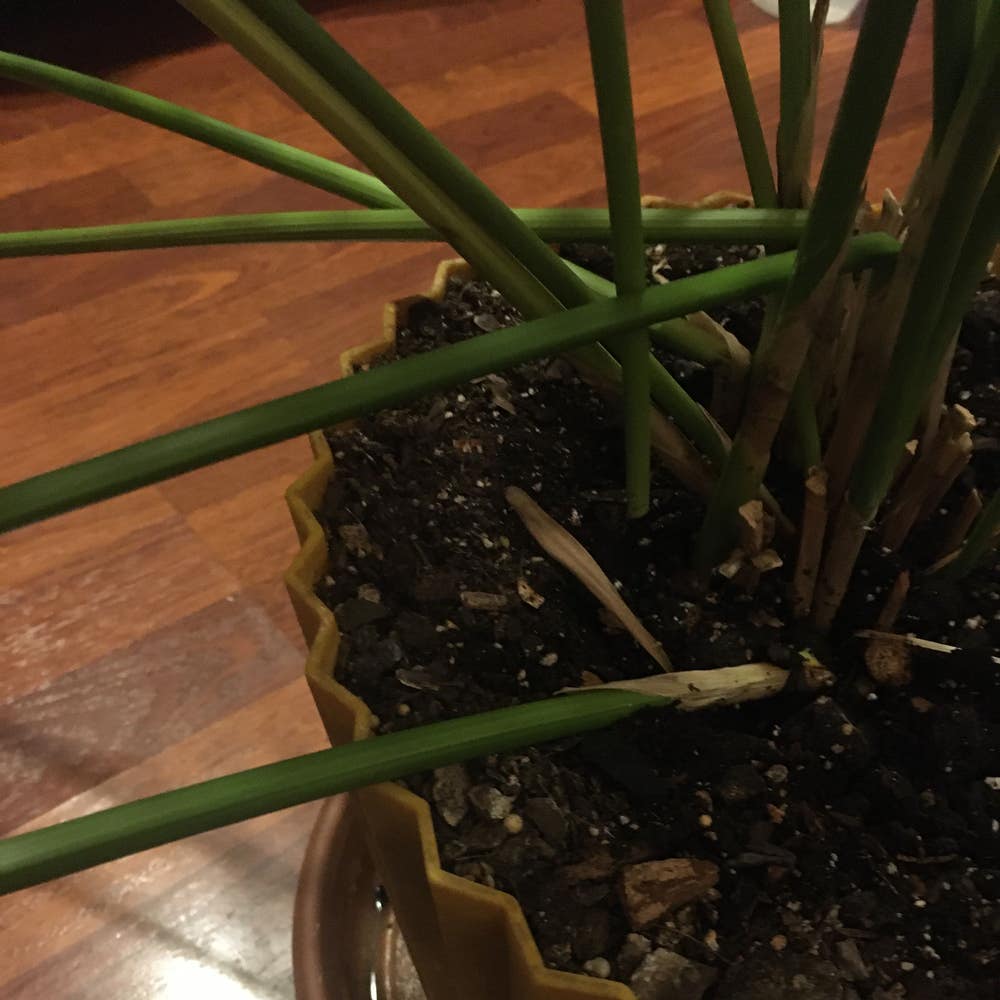
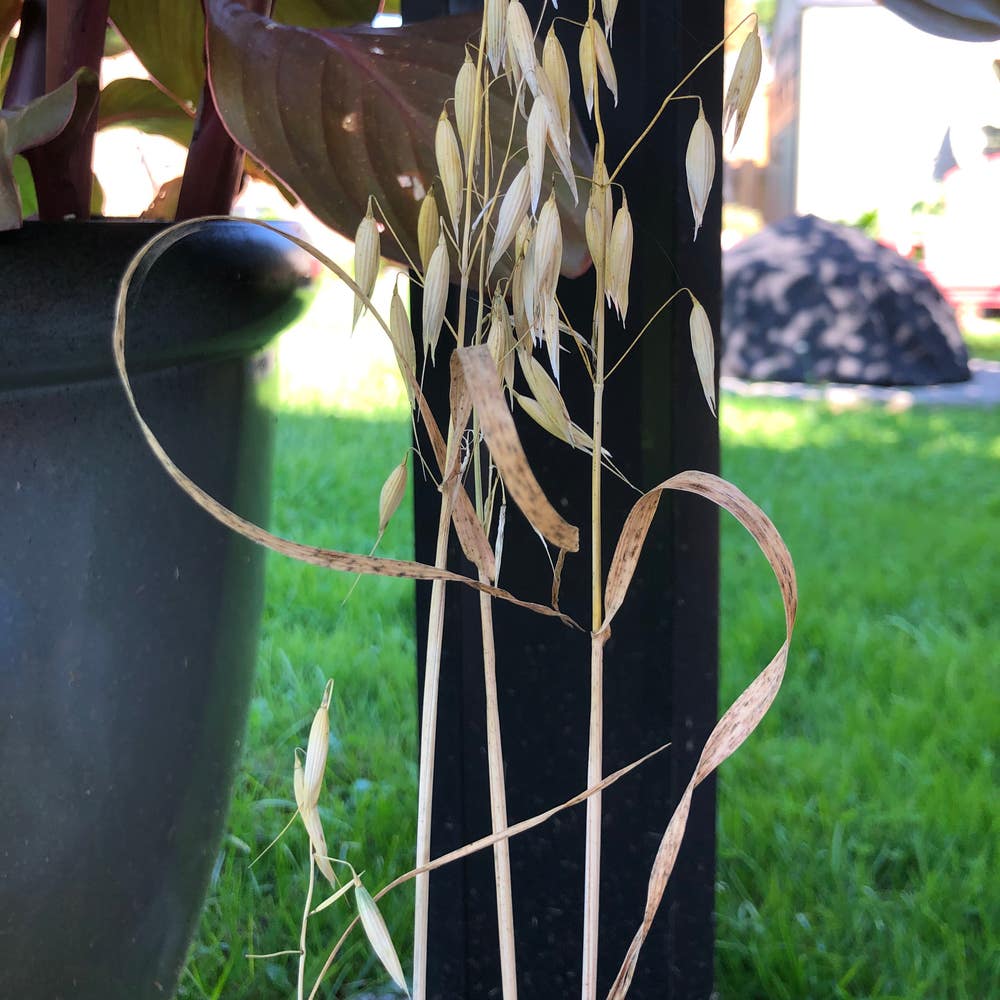
How to Fix Curling Leaves on Your Cyperus 'Cleopatra' 👋
Cyperus involucratus 'Cleopatra'
By the Greg Editorial Team
Oct 19, 2024•6 min read
This article was created with the help of AI so we can cover more plants for you. May contain errors. See one? Report it here.
Revive your curling Cyperus 'Cleopatra' 🌱 with essential care tips for lush, vibrant leaves and a thriving plant!
- 🌱 Curling leaves indicate stress from pests, nutrients, or watering issues—act quickly!
- 🌡️ Maintain 65°F to 80°F for optimal growth and to prevent leaf curling.
- 💧 Keep soil consistently moist without waterlogging to support healthy Cyperus 'Cleopatra'.
Causes of Curling Leaves
🌬️ Environmental Stress Factors
Curling leaves on your Cyperus 'Cleopatra' can often be traced back to environmental stress. These plants thrive in temperatures between 65°F and 80°F (18°C to 27°C), so fluctuations outside this range can lead to curling.
Drafts and direct sunlight can also wreak havoc. Avoid placing your plant near air conditioning vents or windows that receive intense sunlight to keep it healthy.
🥦 Nutrient Deficiencies
Nutrient deficiencies are another common culprit. Look out for missing nitrogen, potassium, or magnesium, as these can lead to yellowing leaves, stunted growth, and, of course, curling.
To combat this, balanced fertilization is key. Use a water-soluble fertilizer every 4-6 weeks during the growing season to ensure your plant gets the nutrients it needs.
🐜 Pest Infestations
Pests can be sneaky but damaging. Aphids and spider mites are common offenders; aphids leave a sticky residue and distorted leaves, while spider mites create fine webbing and speckled surfaces.
These pests weaken your plant, leading to curling leaves. Regular inspections and treatments are crucial for maintaining leaf health.
💧 Watering Issues
Watering can be a double-edged sword. Overwatering manifests as yellowing leaves, mushy stems, and root rot, while underwatering shows up as dry, crispy leaf edges and wilting.
To strike the right balance, maintain consistently moist soil without waterlogging. This will help your plant thrive.
🌫️ Humidity Requirements
Humidity plays a vital role in the health of your Cyperus 'Cleopatra.' Ideal humidity levels range from 50% to 70%. Low humidity can cause leaf curling and browning tips.
To boost humidity, consider using a humidifier, creating pebble trays, or misting your plant regularly. These methods can significantly improve your plant's condition.
Understanding these causes is the first step in addressing curling leaves. Next, we'll explore how to diagnose the specific issues affecting your plant.
Diagnosing Curling Leaves
Identifying Symptoms 🌿
Curling leaves can manifest in two primary ways: upward curling and downward curling. Additionally, keep an eye out for other symptoms like yellowing, browning, or wilting leaves, as these can indicate underlying issues.
Assessing Environmental Conditions 🌡️
Start by checking the temperature and light exposure around your Cyperus 'Cleopatra'. Ensure these conditions fall within the ideal range of 65°F to 80°F (18°C to 27°C) and that the plant receives bright, indirect light.
Checking for Pests 🐛
A thorough visual inspection is crucial. Look under the leaves and along the stems for any signs of pests that could be causing stress.
Using sticky traps can also help monitor pest populations effectively. This proactive approach allows you to catch infestations early before they escalate.
Evaluating Soil Moisture Levels 💧
Soil moisture is another key factor in diagnosing curling leaves. Use your finger or a moisture meter to check if the soil is consistently moist but not soggy.
Signs of poor soil condition include overly dry or waterlogged soil, which can lead to further complications for your plant.
Treating Curling Leaves
🌊 Adjusting Watering Practices
Determine Current Watering Frequency: Start by assessing how often you water your Cyperus 'Cleopatra'. Adjust based on the soil's moisture level to ensure it remains consistently moist.
Implement a Consistent Watering Schedule: Water your plant when the top inch of soil feels dry. This helps prevent both overwatering and underwatering.
Use Well-Draining Pots: Opt for pots that allow excess water to escape. This prevents water accumulation, which can lead to root rot.
💧 Increasing Humidity
Use a Humidifier: Set your humidifier to maintain humidity levels between 50%-70%. This is crucial for the health of your plant.
Create a Pebble Tray: Fill a tray with pebbles and water, then place your pot on top. This method increases humidity around the plant without waterlogging the soil.
Regular Misting: Mist the leaves daily, especially in dry conditions. This simple act can significantly improve leaf health.
🌱 Fertilization Techniques
Choose a Balanced Fertilizer: Look for a fertilizer with equal NPK ratios. This ensures your plant receives the necessary nutrients for growth.
Application Frequency: Fertilize every 4-6 weeks during the growing season. This keeps your plant nourished and thriving.
Dilution Instructions: Always follow package instructions for proper dilution. Over-fertilizing can harm your plant.
🐛 Pest Management Solutions
Organic Pest Control Options: Consider using neem oil or insecticidal soap. These are effective and safe for your plant.
Regular Monitoring: Inspect your plants weekly for early signs of infestation. Catching pests early can save your plant from significant damage.
Quarantine New Plants: Always quarantine new plants before introducing them to your collection. This prevents pests from spreading.
✂️ Pruning Affected Leaves
Tools Needed: Use clean, sharp pruning shears. This ensures a clean cut, minimizing stress on the plant.
Pruning Method: Cut affected leaves at the base to promote new growth. This encourages the plant to focus energy on healthier leaves.
Timing: Prune during the growing season for the best recovery. This is when your plant is most capable of healing.
By addressing these key areas, you can effectively treat curling leaves on your Cyperus 'Cleopatra'. With the right care, your plant will bounce back and thrive, setting the stage for healthy growth.
Next, let’s explore how to prevent future curling leaves to keep your plant in optimal condition.
Preventing Future Curling
🌱 Optimal Growing Conditions
To keep your Cyperus 'Cleopatra' thriving, maintaining ideal temperature and humidity levels is crucial. Regularly check that temperatures stay between 65°F to 80°F (18°C to 27°C) and humidity levels hover around 50% to 70%.
Providing appropriate light is equally important. Ensure your plant receives bright, indirect sunlight to promote healthy growth and prevent leaf curling.
🔍 Regular Monitoring and Maintenance
Weekly inspections can make a world of difference. Check for pests, moisture levels, and overall leaf health to catch any issues early.
Adjust your care practices based on seasonal changes. This proactive approach helps your plant adapt and flourish throughout the year.
☀️ Seasonal Care Adjustments
In winter, reduce watering frequency and keep an eye out for dry indoor air. Your plant may need less moisture during this time.
Conversely, summer care requires you to increase humidity and watering frequency as needed. Keeping your plant hydrated during the hotter months is essential for its well-being.
🪴 Soil and Potting Recommendations
Using a well-draining potting mix is vital. Opt for a mix designed specifically for tropical plants to ensure proper drainage and nutrient retention.
Repotting every 1-2 years or when the plant becomes root-bound is also recommended. This practice helps maintain healthy growth and prevents curling leaves.
By following these preventive measures, you can keep your Cyperus 'Cleopatra' healthy and vibrant, minimizing the chances of curling leaves in the future. Next, let’s dive into diagnosing curling leaves to better understand how to address any issues that arise.
⚠️ Safety First
This content is for general information and may contain errors, omissions, or outdated details. It is not medical, veterinary advice, or an endorsement of therapeutic claims.
Always consult a qualified healthcare professional before using any plant as food, medicine, or supplement.
Never eat any plant (or feed one to pets) without confirming its identity with at least two trusted sources.
If you suspect poisoning, call Poison Control (800) 222-1222, the Pet Poison Helpline (800) 213-6680, or your local emergency service immediately.
Spotted an error? Please report it here.
Keep your Cyperus 'Cleopatra' curl-free 🌿 by using Greg's tailored reminders and expert tips to maintain optimal care and prevent environmental stress!