📏 Understanding Cyperus 'Cleopatra' Height
Cyperus involucratus 'Cleopatra'
By the Greg Editorial Team
Oct 19, 2024•5 min read
This article was created with the help of AI so we can cover more plants for you. May contain errors. See one? Report it here.
Transform your garden with Cyperus 'Cleopatra' 🌱 by mastering size control and care techniques for stunning results!
- 🌱 Cyperus 'Cleopatra' grows 2-3 feet tall in optimal conditions, taking 1-2 seasons.
- 💧 Consistent watering and nutrient-rich soil are crucial for healthy growth.
- 🌞 Adequate light and humidity enhance size and ornamental potential.
Size and Growth Habits
Mature Height and Spread 🌱
Cyperus 'Cleopatra' typically reaches a mature height of 2 to 3 feet. Its clumping growth habit allows for a spread of approximately 2 feet, making it a versatile choice for various landscapes.
Optimal growing conditions can lead to taller specimens, enhancing its ornamental value. Understanding its size is crucial for effective landscape design, as height and spread contribute significantly to visual appeal.
Growth Rate and Time to Reach Full Size ⏳
The average growth rate of Cyperus 'Cleopatra' varies significantly based on environmental conditions. Generally, it takes about 1 to 2 growing seasons to reach its full size.
In ideal conditions—think nutrient-rich soil, ample light, and consistent watering—growth can be notably faster. This adaptability makes it a favorite among gardeners looking for quick results.
Size Variability Based on Growing Conditions 🌦️
Environmental factors play a crucial role in the size of Cyperus 'Cleopatra'. For instance, climates with higher humidity often yield larger plants.
Care practices also influence growth potential. Regular maintenance, including proper watering and fertilization, can either enhance or limit the plant's size, making attentive care essential for optimal results.
Factors Affecting Size
🌱 Soil Type and Quality
For Cyperus 'Cleopatra' to thrive, it needs well-draining, nutrient-rich soil. Poor soil can stunt growth and reduce height, making it crucial to start with the right foundation.
To enhance soil quality, consider adding organic matter like compost or well-rotted manure. These amendments can significantly improve drainage and nutrient availability.
☀️ Light Exposure and Its Impact on Growth
Optimal light conditions for this plant range from full sun to partial shade. Insufficient light can lead to reduced height and spread, limiting its ornamental potential.
To maximize growth, position your plants where they can receive ample sunlight throughout the day. If natural light is lacking, consider using grow lights to supplement.
💧 Watering Practices and Their Influence on Size
Consistent moisture is key for optimal growth in Cyperus 'Cleopatra'. Regular watering helps maintain the plant's health and encourages robust development.
However, be cautious of overwatering, as it can lead to root rot and stunted growth. Conversely, drought conditions can severely impact height and overall plant vitality, so striking a balance is essential.
Understanding these factors will help you cultivate a thriving Cyperus 'Cleopatra'. Next, we’ll explore how to control the size of your plants effectively.
Controlling Size
✂️ Pruning Techniques for Size Management
To manage the height and spread of Cyperus 'Cleopatra', regular pruning is essential. Techniques such as cutting back the stems to just above the ground can encourage bushier growth and maintain a more compact form.
Timing is crucial for effective pruning. The best times to prune are in early spring or late fall, as this allows the plant to recover and thrive during the growing season.
📏 Tips for Maintaining Desired Dimensions
Consistent care is key to maintaining the desired size of your Cyperus 'Cleopatra'. Regularly check the plant's growth and prune as needed to prevent it from becoming too large.
Monitoring growth involves assessing the plant's height and spread periodically. Adjust your care practices based on these observations to keep the plant within your preferred dimensions.
🪴 Use of Containers to Limit Growth
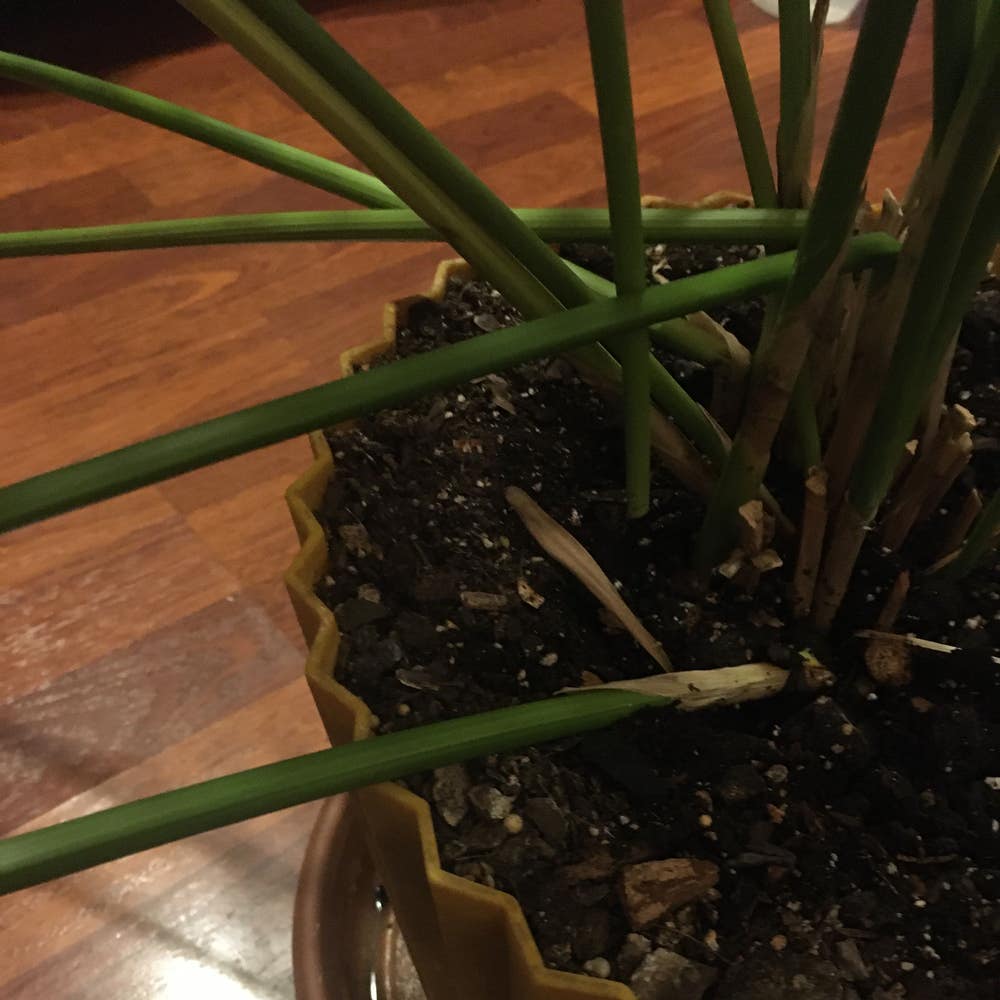
Container planting offers a practical solution for controlling the size of Cyperus 'Cleopatra'. By limiting root space, you can effectively manage the plant's growth and keep it at a more manageable size.
For optimal results, choose containers that are at least 12 to 18 inches in diameter. This size allows for healthy growth while still restricting excessive expansion.
When caring for container-grown plants, pay attention to watering and nutrient management. Ensure consistent moisture without overwatering, and provide adequate nutrients to support healthy growth.
With these strategies, you can enjoy the beauty of Cyperus 'Cleopatra' while keeping its size in check. Next, we’ll explore the various varieties of Cyperus and how their sizes compare.
Varieties
Dwarf and Giant Varieties 🌱
Cyperus plants come in a range of sizes, with dwarf and giant varieties offering unique characteristics. Dwarf varieties typically reach heights of 1 to 2 feet, while giant varieties can soar up to 4 feet or more.
Popular dwarf varieties include Cyperus haspan, which is compact and perfect for smaller spaces. On the other hand, Cyperus giganteus showcases impressive stature, making it a striking focal point in larger gardens.
In landscaping, incorporating both dwarf and giant varieties can create dynamic visual interest. Dwarfs work well in borders or containers, while giants can serve as bold statement pieces.
Comparison of Size Characteristics Among Varieties 📏
When comparing sizes, Cyperus 'Cleopatra' stands in the middle, typically reaching 2 to 3 feet. Dwarf varieties are ideal for tight spaces, while giants can dominate a garden.
Size differences among varieties stem from genetic traits and environmental factors. For instance, a dwarf may thrive in a small garden, while a giant needs room to spread out.
When selecting a variety, consider your space and design goals. Choose a dwarf for compact areas or a giant for dramatic impact, ensuring your garden flourishes with the right fit.
This understanding of size variations helps in making informed decisions for your landscape design, setting the stage for a thriving garden.
⚠️ Safety First
This content is for general information and may contain errors, omissions, or outdated details. It is not medical, veterinary advice, or an endorsement of therapeutic claims.
Always consult a qualified healthcare professional before using any plant as food, medicine, or supplement.
Never eat any plant (or feed one to pets) without confirming its identity with at least two trusted sources.
If you suspect poisoning, call Poison Control (800) 222-1222, the Pet Poison Helpline (800) 213-6680, or your local emergency service immediately.
Spotted an error? Please report it here.
Unlock the full potential of your Cyperus 'Cleopatra' 🌱 with Greg's custom watering reminders and care tips, ensuring your plant reaches its stunning height in no time!