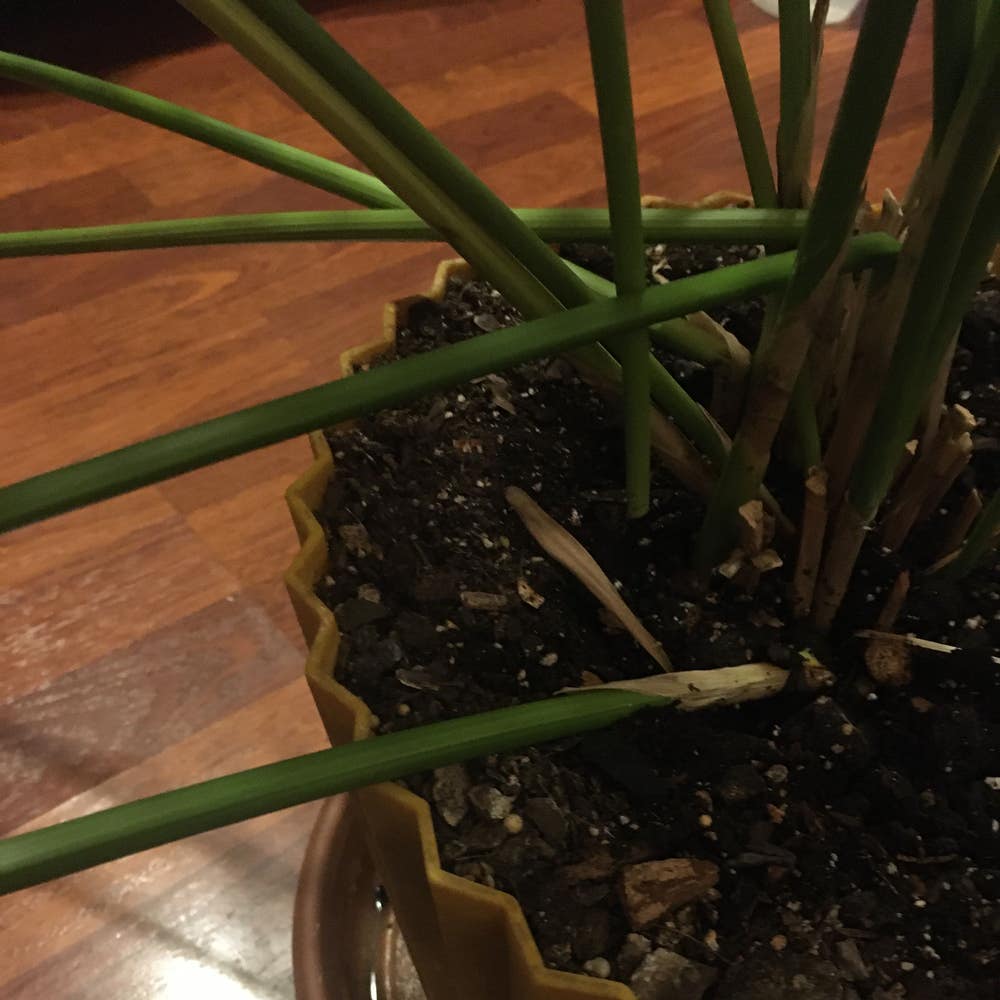
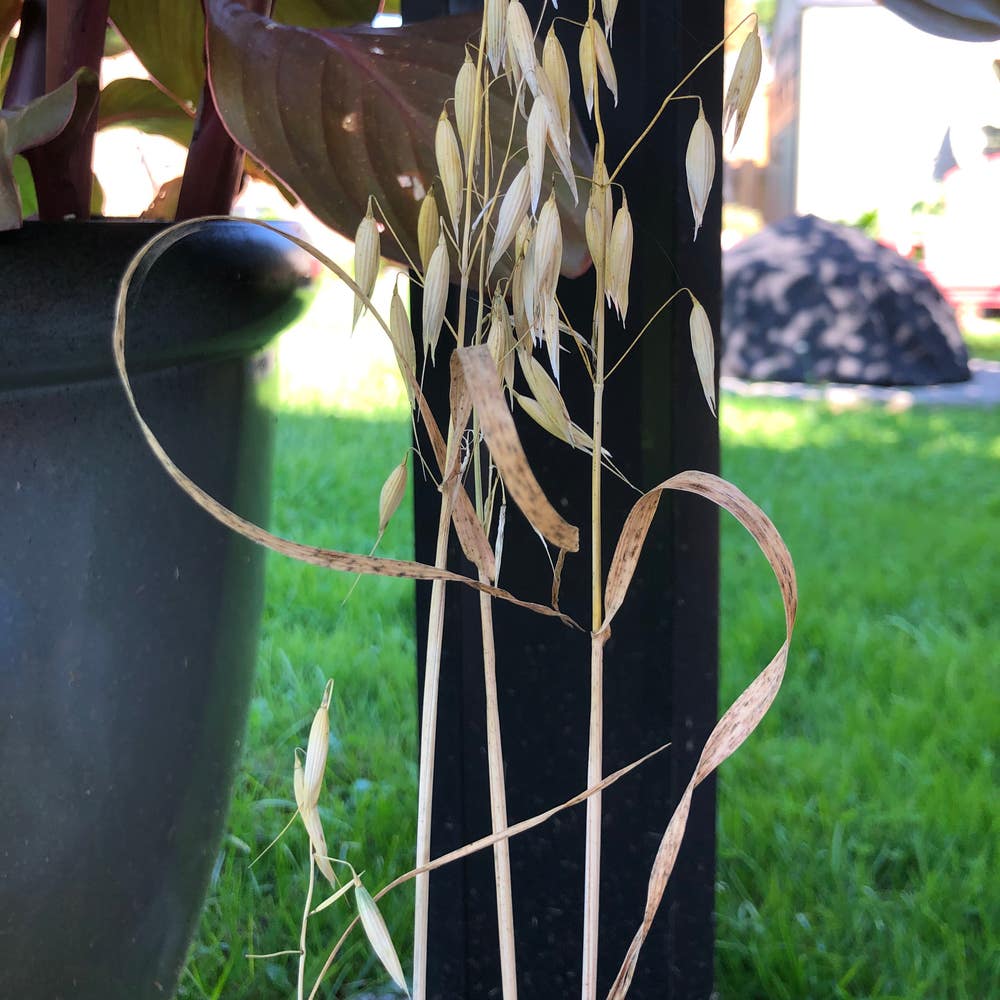
Reasons Cyperus 'Cleopatra' Leaves Turn Yellow 🍂
Cyperus involucratus 'Cleopatra'
By the Greg Editorial Team
Oct 19, 2024•5 min read
This article was created with the help of AI so we can cover more plants for you. May contain errors. See one? Report it here.
Revive your yellowing Cyperus 'Cleopatra' 🌱 with these essential tips for vibrant, healthy growth!
- 🌱 Yellow leaves indicate overwatering, underwatering, pests, or nutrient deficiencies.
- 💧 Check soil moisture regularly to prevent soggy or dry conditions affecting leaves.
- 🐛 Inspect for pests and adjust care to maintain healthy, vibrant Cyperus 'Cleopatra'.
Diagnosing Yellow Leaves
🌊 Identifying Signs of Overwatering
Overwatering is a common culprit behind yellowing leaves. Look for visual indicators such as soggy soil and leaves that feel mushy or limp.
To diagnose, you can use a moisture meter or simply perform a finger test. Insert your finger into the soil; if it feels wet beyond the top inch, your plant may be drowning.
💧 Recognizing Underwatering Symptoms
Underwatering can also lead to yellow leaves, often accompanied by crispy edges. Check the soil; if it’s dry and crumbly, your plant is likely thirsty.
Observe the leaf texture and color changes. Leaves may appear dull or shriveled when they’re not getting enough water.
🐛 Checking for Pests and Diseases
Pests and diseases can wreak havoc on your Cyperus 'Cleopatra'. Inspect the underside of leaves for tiny insects or webbing, which can indicate pest infestations.
Look for signs of damage, such as holes or discoloration, which may suggest disease presence. Early detection is key to effective treatment.
🌱 Assessing Soil Conditions and Moisture Levels
Understanding soil conditions is crucial for plant health. Use the finger test to check moisture depth; if it’s dry several inches down, it’s time to water.
Alternatively, moisture meters can provide a more precise reading. Ideally, your soil should be well-draining, allowing for moisture retention without becoming waterlogged.
With these diagnostic steps, you can effectively identify the causes of yellow leaves in your Cyperus 'Cleopatra'. Next, let’s explore how to prevent these issues from arising in the first place.
Preventing Yellow Leaves
💧 Proper Watering Techniques
Keeping your Cyperus 'Cleopatra' happy starts with mastering the art of watering. Aim to keep the soil consistently moist but not soggy; this balance is key to preventing yellow leaves.
Look for signs of proper watering, such as vibrant green leaves and a healthy root system. If the leaves start to droop or turn yellow, it’s time to reassess your watering habits.
🌱 Ideal Soil Mix
The right soil mix can make all the difference. A well-draining potting mix enriched with organic matter is ideal for your plant.
Soil aeration is crucial, as it allows roots to breathe and absorb nutrients effectively. Poorly aerated soil can lead to root rot and yellowing leaves.
🌿 Nutrient Management and Fertilization Schedule
Nutrient management is essential for vibrant growth. Fertilize your Cyperus monthly during the growing season to keep it thriving.
Opt for balanced NPK fertilizers or specific nutrient blends tailored to your plant's needs. This will ensure your plant receives the essential nutrients it craves.
🌧️ Maintaining Optimal Humidity and Light Conditions
Humidity plays a significant role in your plant's health. Use pebble trays or humidifiers to boost humidity levels around your Cyperus.
Light conditions are equally important. Rotate your plant regularly to ensure even light exposure, promoting balanced growth and preventing yellow leaves.
By implementing these preventive measures, you can keep your Cyperus 'Cleopatra' lush and green, setting the stage for a thriving plant. Next, let’s explore how to treat yellow leaves if they do appear.
Treating Yellow Leaves
🌊 Steps to Take for Overwatered Plants
If your Cyperus 'Cleopatra' is suffering from overwatering, the first step is to assess the soil moisture level. Use your finger or a moisture meter to check how wet the soil is.
Next, carefully remove the plant from its pot and inspect the roots. Look for any that are mushy or discolored, as these are signs of rot.
Trim away any rotten roots to prevent further damage. After that, repot the plant in fresh, dry soil to give it a healthy environment to recover.
Finally, adjust your watering schedule to ensure the soil remains moist but not soggy. This balance is crucial for the plant's health.
💧 How to Revive an Underwatered Cyperus
For an underwatered Cyperus, start by soaking the plant in water for about 30 minutes. This allows the roots to absorb moisture effectively.
After soaking, ensure proper drainage by letting excess water escape. This step is vital to prevent future issues.
Gradually increase your watering frequency to keep the soil consistently moist. This will help the plant bounce back and thrive.
🌱 Addressing Nutrient Deficiencies
Identifying specific nutrient needs is essential for a healthy plant. Look for signs like yellowing leaves or stunted growth, which may indicate deficiencies.
Recommended fertilizers include balanced NPK blends or specific nutrient mixes tailored for aquatic plants. Apply these according to the instructions for best results.
🐛 Pest Control Methods and Treatments
If pests are a concern, consider organic pest control options like neem oil or insecticidal soap. These treatments are effective and safe for your plant.
Regular monitoring is key to catching any pest issues early. Implement preventive measures, such as keeping the plant clean and inspecting it regularly, to maintain its health.
With these steps, you can effectively treat yellow leaves and restore your Cyperus 'Cleopatra' to its vibrant state. Next, let’s explore how to prevent yellow leaves from occurring in the first place.
Seasonal Considerations
🌱 Adjusting Care Routines Based on Growth Cycles
As the seasons change, so should your care routine for Cyperus 'Cleopatra.' During spring and summer, this plant thrives and requires more attention.
In these warmer months, increase watering frequency to keep the soil consistently moist. This is also the ideal time to fertilize monthly, promoting lush growth.
🍂 Fall and Winter Adjustments
As temperatures drop in fall and winter, your Cyperus will enter a slower growth phase. Reduce watering to prevent over-saturation, as the plant needs less moisture during this time.
Consider adjusting humidity levels, as indoor heating can dry out the air. Using pebble trays or humidifiers can help maintain the right environment for your plant.
By adapting your care routine to the seasons, you can keep your Cyperus 'Cleopatra' healthy and vibrant year-round. This proactive approach will help prevent yellowing leaves and ensure your plant thrives.
⚠️ Safety First
This content is for general information and may contain errors, omissions, or outdated details. It is not medical, veterinary advice, or an endorsement of therapeutic claims.
Always consult a qualified healthcare professional before using any plant as food, medicine, or supplement.
Never eat any plant (or feed one to pets) without confirming its identity with at least two trusted sources.
If you suspect poisoning, call Poison Control (800) 222-1222, the Pet Poison Helpline (800) 213-6680, or your local emergency service immediately.
Spotted an error? Please report it here.
Keep your Cyperus 'Cleopatra' thriving 🌿 by using Greg's moisture monitoring and care reminders to tackle yellow leaves before they become a problem!