How to Get Rid of Cyperus 'Cleopatra' 🧹
Cyperus involucratus 'Cleopatra'
By the Greg Editorial Team
Oct 19, 2024•6 min read
This article was created with the help of AI so we can cover more plants for you. May contain errors. See one? Report it here.
Safeguard your ecosystem from the invasive Cyperus 'Cleopatra' with these crucial identification and control tips! 🌿
- 🌱 Cyperus 'Cleopatra' is an invasive weed, disrupting ecosystems and outcompeting native plants.
- 🔍 Identify it by its triangular stems and umbrella-like flowers for effective management.
- ⚔️ Effective removal requires digging out roots and using herbicides as needed.
Plant Classification
Definition and Criteria 🌱
Weeds and invasive species can wreak havoc on local ecosystems. A weed is typically defined as any plant that grows where it’s not wanted, often outcompeting native flora.
Cyperus 'Cleopatra' fits this definition perfectly. Its rapid spread, competitive nature, and significant ecological impact make it a prime candidate for classification as a weed.
This plant can quickly dominate areas, leaving little room for native species to thrive. Its ability to adapt and flourish in various environments only adds to its invasive reputation.
Understanding these criteria is crucial for effective management and control. By recognizing the traits that classify Cyperus 'Cleopatra' as a weed, we can better strategize its removal and mitigate its effects on local ecosystems.
With this foundational knowledge, we can move forward in identifying and managing this invasive species effectively.
Identification
Key Features 🌿
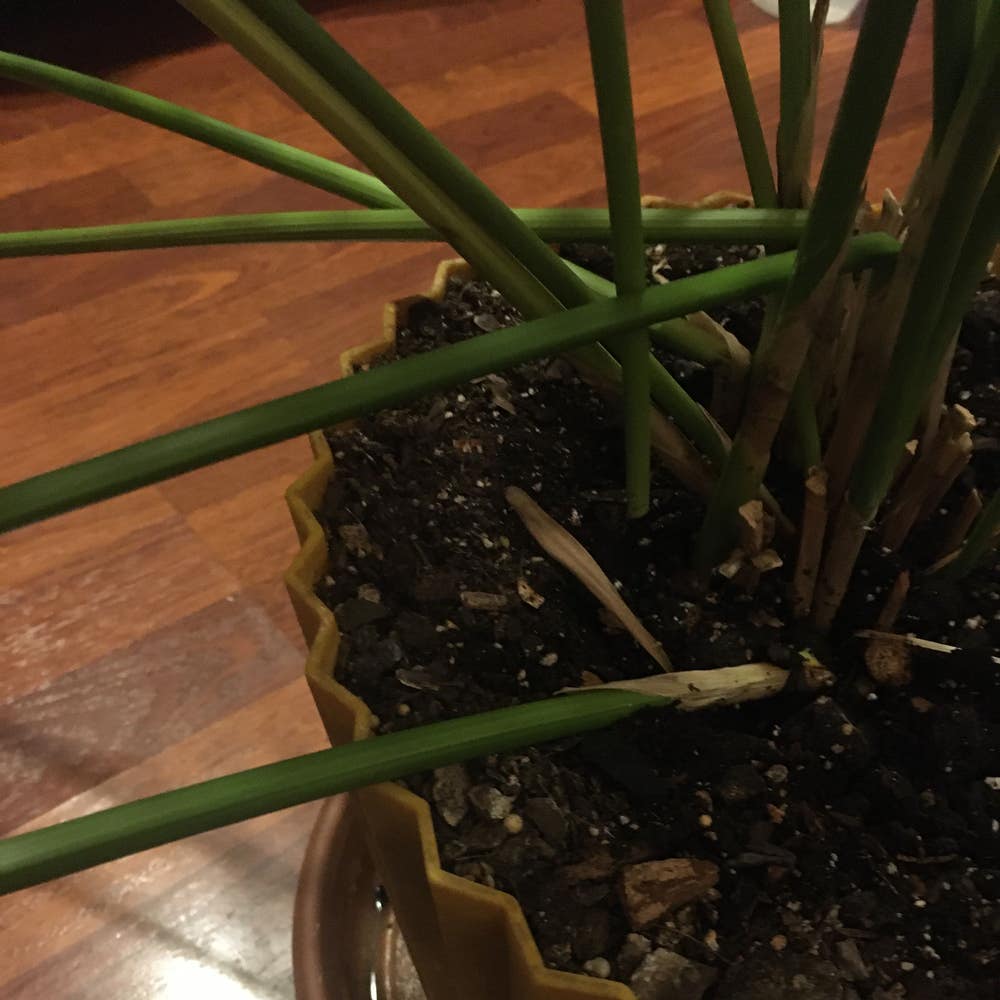
Cyperus 'Cleopatra' is easily recognizable thanks to its distinctive triangular stems, which can reach heights of up to 3 feet. The plant showcases umbrella-like flower clusters, featuring multiple spikelets that add to its unique appearance.
The leaves are long and narrow, emerging directly from the base of the plant. This characteristic growth habit makes it stand out in wetland areas, where it often thrives.
Look-Alike Plants 👀
When identifying Cyperus 'Cleopatra', it's essential to differentiate it from native sedges. While both may share similar habitats, native sedges typically have rounder stems and less pronounced flower clusters.
Key distinguishing features include the triangular shape of Cyperus 'Cleopatra's stems and its specific flowering structure. Being aware of these differences can help prevent misidentification and ensure effective management strategies.
Understanding these identification markers is crucial for anyone looking to control or manage this invasive species effectively. With the right knowledge, you can take proactive steps to protect your local ecosystem.
Growth Habits and Spread
Growth Patterns and Reproductive Strategies 🌱
Cyperus 'Cleopatra' is notorious for its clumping growth, forming dense stands that can dominate wetland areas. This aggressive growth allows it to outcompete native plants, creating a monoculture that disrupts local ecosystems.
During the warm months, this weed experiences rapid growth, quickly establishing itself in favorable conditions. Its reproductive strategies are equally impressive, with high seed production and the ability to spread through rhizomes and tubers, making it a formidable opponent in any landscape.
Environmental Conditions 🌧️
This invasive species thrives in wet, disturbed areas, showcasing a remarkable tolerance for poor soil conditions. Whether it's a marshy wetland or a neglected garden, Cyperus 'Cleopatra' can find a way to flourish, further complicating management efforts.
Understanding these growth habits and environmental preferences is crucial for effective control strategies. By recognizing where this plant is likely to thrive, you can take proactive steps to mitigate its spread and protect native ecosystems.
Ecological and Economic Impact
Effects on Ecosystems 🌍
Cyperus 'Cleopatra' poses a significant threat to ecosystems by displacing native species. Its aggressive growth alters habitat structures, leading to a decline in biodiversity.
This invasive plant can dominate wetland areas, making it difficult for local flora to thrive. As a result, wildlife that depends on these native plants for food and shelter may also suffer.
Economic Challenges 💰
The economic implications of managing Cyperus 'Cleopatra' are substantial. Landowners face increased costs for control measures, which can strain budgets.
Additionally, the presence of this invasive species can lead to decreased property values. Farmers may also experience crop competition, further impacting their livelihoods.
Understanding these ecological and economic impacts is crucial for effective management strategies. By addressing these challenges, we can work towards restoring balance in affected ecosystems.
Next, we will explore control and management techniques to combat this invasive species effectively.
Control and Management
Removal Techniques: Step-by-Step Guide 🌱
Identify the area of infestation. Start by pinpointing where Cyperus 'Cleopatra' is growing. This is crucial for effective management.
Use a spade or shovel to dig out the plant, ensuring to remove roots. Make sure to get the entire root system to prevent regrowth.
Dispose of removed plants properly to prevent re-establishment. Bagging and sealing them can help avoid spreading seeds or rhizomes.
Monitor the area for regrowth and repeat as necessary. Regular checks will help catch any new growth early.
Chemical and Biological Control Options 🧪
Herbicides: Several types are effective against Cyperus 'Cleopatra.' Glyphosate and imazapyr are popular choices. Follow label instructions for application methods to ensure safety and effectiveness.
Biological control agents: Research is ongoing into potential natural predators. While promising, their effectiveness can vary, so stay updated on the latest findings.
Preventive Measures 🚧
Regular monitoring for early detection: Keeping an eye on your garden can help catch infestations before they spread.
Best practices for managing surrounding vegetation: Maintain healthy native plants around your garden. They can outcompete invasive species and reduce the chances of Cyperus 'Cleopatra' taking hold.
Importance of Early Detection 🔍
Acting quickly is key to preventing the establishment of Cyperus 'Cleopatra.' Engage your community in monitoring efforts; together, you can tackle this invasive species effectively.
By staying vigilant and proactive, you can protect your local ecosystem and ensure a thriving environment for native plants and wildlife.
Legal Status
Regulations and Requirements 📝
Understanding the legal landscape surrounding invasive species like Cyperus 'Cleopatra' is crucial for effective management. Federal and state regulations often classify this plant as a noxious weed, which means there are specific guidelines for its control and eradication.
Many states have enacted laws that require landowners to manage invasive species on their property. This can include reporting infestations and taking action to remove them. Failure to comply with these regulations can lead to fines or other penalties.
Local Ordinances 🏙️
Local ordinances can vary significantly, so it's essential to check with your municipality. Some areas may have stricter rules regarding the management of invasive plants, including Cyperus 'Cleopatra.'
Landowners should be aware that neglecting to manage these invasive species can lead to ecological damage and reduced property values. Engaging with local environmental groups can provide additional resources and support for compliance.
In summary, staying informed about regulations and local ordinances is vital for effective management of Cyperus 'Cleopatra.' This proactive approach not only benefits individual landowners but also contributes to broader ecological health.
As we move forward, let’s explore the potential benefits or uses of this plant, despite its many drawbacks.
Potential Benefits or Uses
🏺 Historical and Current Uses
Cyperus 'Cleopatra' has seen some traditional uses, particularly in local landscaping and erosion control. However, these applications are limited and often overshadowed by its invasive nature.
⚠️ Emphasis on Negative Impacts
The ecological and economic drawbacks of Cyperus 'Cleopatra' far outweigh any potential benefits. Its rapid spread disrupts native ecosystems, leading to habitat loss and decreased biodiversity, while also imposing financial burdens on landowners and communities.
In summary, while there may be a few historical uses, the overwhelming negative impacts make it clear that managing this invasive species is crucial for ecological health and economic stability.
⚠️ Safety First
This content is for general information and may contain errors, omissions, or outdated details. It is not medical, veterinary advice, or an endorsement of therapeutic claims.
Always consult a qualified healthcare professional before using any plant as food, medicine, or supplement.
Never eat any plant (or feed one to pets) without confirming its identity with at least two trusted sources.
If you suspect poisoning, call Poison Control (800) 222-1222, the Pet Poison Helpline (800) 213-6680, or your local emergency service immediately.
Spotted an error? Please report it here.
Take charge of your garden's health and outsmart invasives 🌱 like Cyperus 'Cleopatra' with Greg's expert tips for thriving ecosystems!