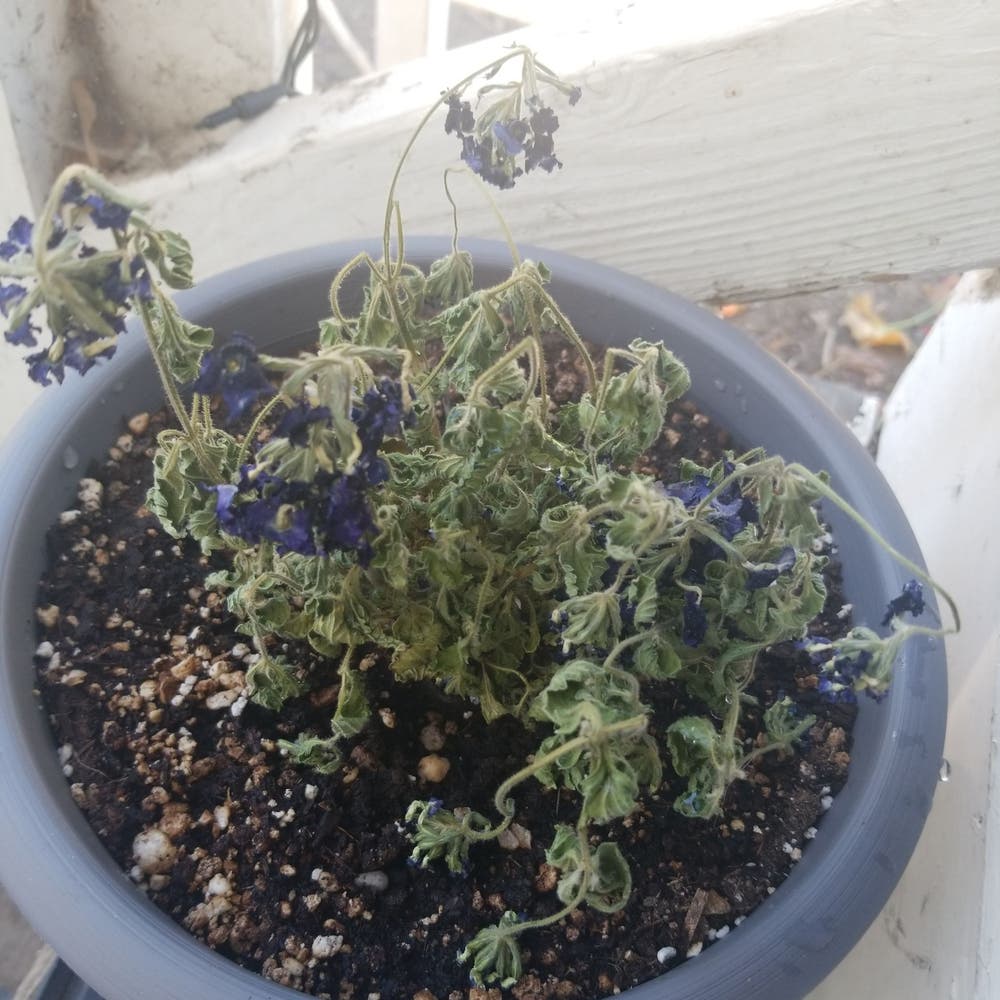
Ultimate Guide to Verbena 'De La Mina' Roots 🌸
Verbena lilacina 'De La Mina'
By the Greg Editorial Team
Oct 10, 2024•6 min read
This article was created with the help of AI so we can cover more plants for you. May contain errors. See one? Report it here.
- 🌱 Verbena 'De La Mina' has a shallow, fibrous root system for efficient nutrient absorption.
- 💧 Roots thrive in various soils and enhance drought resilience by accessing moisture widely.
- 🌿 Healthy roots are crucial for plant health, propagation, and pest resistance.
Root System Characteristics
🌱 Type of Root System
Verbena 'De La Mina' features a fibrous root system that is both shallow and extensive. This unique structure allows the plant to efficiently absorb nutrients from the soil, making it well-suited for various growing conditions.
Compared to taproot systems, which penetrate deeper into the ground, fibrous roots spread horizontally. This adaptation maximizes nutrient uptake and water absorption, especially in nutrient-rich topsoil.
🔍 Specific Characteristics of Roots
One of the standout traits of Verbena 'De La Mina' roots is their adaptability to different soil conditions. Whether in sandy, loamy, or clay soils, these roots thrive, showcasing their versatility.
Additionally, the fibrous root structure enhances resilience to drought. By spreading out, these roots can access moisture from a larger area, ensuring the plant remains healthy even during dry spells.
Moreover, the fibrous roots play a crucial role in anchoring the plant. This stability is essential for supporting the plant as it grows, particularly in windy conditions or when faced with heavy rainfall.
Understanding these root characteristics is vital for anyone looking to cultivate Verbena 'De La Mina'. With the right care, these plants can flourish, setting the stage for vibrant blooms and robust growth.
Next, we’ll explore the root depth and spread, which further influences care practices for this resilient plant.
Root Depth and Spread
Typical Root Depth 🌱
The root system of Verbena 'De La Mina' typically reaches an average depth of 12 to 18 inches. This shallow root structure allows for efficient access to surface nutrients while also requiring careful watering practices.
Implications of Shallow Roots 💧
Shallow roots mean that watering needs to be consistent and mindful. Regular moisture is crucial, especially during dry spells, to ensure the plant thrives.
Root Spread and Growth Patterns 🌍
Verbena 'De La Mina' roots can spread up to 2 feet in diameter. This extensive horizontal growth pattern maximizes nutrient uptake from the surrounding soil.
Influence of Environmental Factors 🌦️
Environmental conditions significantly influence root growth. Factors like soil type, moisture levels, and temperature can affect how well the roots expand and establish themselves.
Understanding the depth and spread of Verbena 'De La Mina' roots is essential for effective care. This knowledge informs watering and fertilization practices, ensuring the plant remains healthy and vibrant. Next, we’ll explore care practices influenced by these root characteristics.
Care Practices Influenced by Roots
Watering Techniques Based on Root System 💧
To keep your Verbena 'De La Mina' thriving, aim for a weekly watering schedule. Adjust this based on weather conditions; during hotter spells, your plant may need a bit more love.
Deep watering is key. This technique encourages roots to grow deeper, enhancing their ability to access nutrients and moisture.
Fertilizing Considerations for Healthy Roots 🌱
Using balanced NPK fertilizers is essential for robust root development. Apply these in early spring and mid-summer to give your plant the nutrients it craves.
Be cautious with fertilization; overdoing it can lead to root burn, which can severely affect your plant's health.
Best Practices for Transplanting 🌍
Timing is crucial when transplanting. Early spring or fall is ideal to minimize stress on your Verbena.
Follow these steps for a smooth transition:
- Prepare the new planting site.
- Water the plant thoroughly before removal.
- Gently loosen the root ball and transplant.
- Water again after transplanting.
This process is rated as moderate in difficulty, but with care, your plant will adapt beautifully.
By following these practices, you can ensure that your Verbena 'De La Mina' roots remain healthy and vibrant, setting the stage for a flourishing plant. Next, let’s explore common root-related issues that may arise.
Common Root-Related Issues
Identifying Root Problems 🌱
Root problems can manifest in various ways, often signaling distress in your Verbena 'De La Mina'. Look out for signs like stunted growth and yellowing leaves, which indicate that something isn't right below the surface.
Common issues include root rot and nutrient deficiencies. Root rot typically arises from overly wet conditions, while nutrient deficiencies can stem from poor soil quality or inadequate fertilization.
Solutions for Root-Related Issues 🛠️
Preventing root rot is crucial for maintaining healthy plants. Ensure your soil is well-draining and adjust your watering practices to avoid waterlogged conditions.
If you suspect nutrient deficiencies, consider conducting a soil test. This will help you identify specific nutrient needs, allowing for targeted fertilization that can rejuvenate your plant's health.
By addressing these root-related issues promptly, you can keep your Verbena thriving and vibrant. Next, let’s explore the indicators of root health to ensure your plants are in top shape.
Indicators of Root Health
🌱 Visual Cues of Healthy Roots
Healthy roots are typically white and firm, showcasing their vitality. These characteristics are crucial for the overall vigor of the plant, as robust roots efficiently absorb nutrients and water.
🚫 Signs of Unhealthy Roots
On the flip side, unhealthy roots exhibit brown, mushy textures and may even emit a foul odor. These signs can severely impact plant growth and resilience, leading to stunted development and increased vulnerability to diseases.
Recognizing these indicators early can make a significant difference in your plant care routine. By ensuring your Verbena 'De La Mina' has healthy roots, you set the stage for a thriving garden.
As we delve deeper into plant care, understanding rootbound conditions will further enhance your gardening skills.
Rootbound Plants
Definition of Rootbound 🌱
A plant is considered rootbound when its roots have outgrown their container, leading to a tangled mass that restricts growth. This condition often arises from using a pot that’s too small or when the plant lacks sufficient space to expand.
Recognizing Rootbound Conditions 👀
You can spot a rootbound plant by looking for roots that are growing out of the drainage holes. Other signs include stunted growth and a dense, tangled root mass that makes it difficult for the plant to absorb nutrients and water.
Solutions for Rootbound Plants 🛠️
To remedy a rootbound situation, repotting is essential. Choose a larger pot and gently loosen the roots to encourage new growth.
Timing is crucial; the best periods for repotting are early spring or fall. This approach minimizes stress on the plant and promotes healthy root development.
With these steps, you can help your Verbena 'De La Mina' thrive and flourish. Next, let’s explore propagation and division techniques to expand your garden!
Propagation and Division
Importance of Root Health in Propagation 🌱
Healthy roots are the backbone of successful propagation. They not only support new growth but also enhance the plant's resilience against pests and diseases.
Techniques for Dividing ✂️
Timing is crucial for dividing Verbena 'De La Mina'. Early spring is the best time to ensure minimal stress on the plant.
Steps for Successful Division
- Water the plant thoroughly before division to hydrate the roots.
- Carefully dig up the plant, taking care not to damage the roots.
- Separate the root clumps gently, ensuring each division has a healthy portion of roots.
- Replant immediately in suitable soil to promote quick recovery.
Dividing your Verbena can be a rewarding experience, leading to healthier plants and a more vibrant garden. Just remember, the process is moderate in difficulty, so take your time and enjoy the journey!
⚠️ Safety First
This content is for general information and may contain errors, omissions, or outdated details. It is not medical, veterinary advice, or an endorsement of therapeutic claims.
Always consult a qualified healthcare professional before using any plant as food, medicine, or supplement.
Never eat any plant (or feed one to pets) without confirming its identity with at least two trusted sources.
If you suspect poisoning, call Poison Control (800) 222-1222, the Pet Poison Helpline (800) 213-6680, or your local emergency service immediately.
Spotted an error? Please report it here.
Unlock the secrets of Verbena 'De La Mina' roots for a thriving garden 🌿 by using Greg's personalized watering reminders and expert care tips to help your plants flourish!