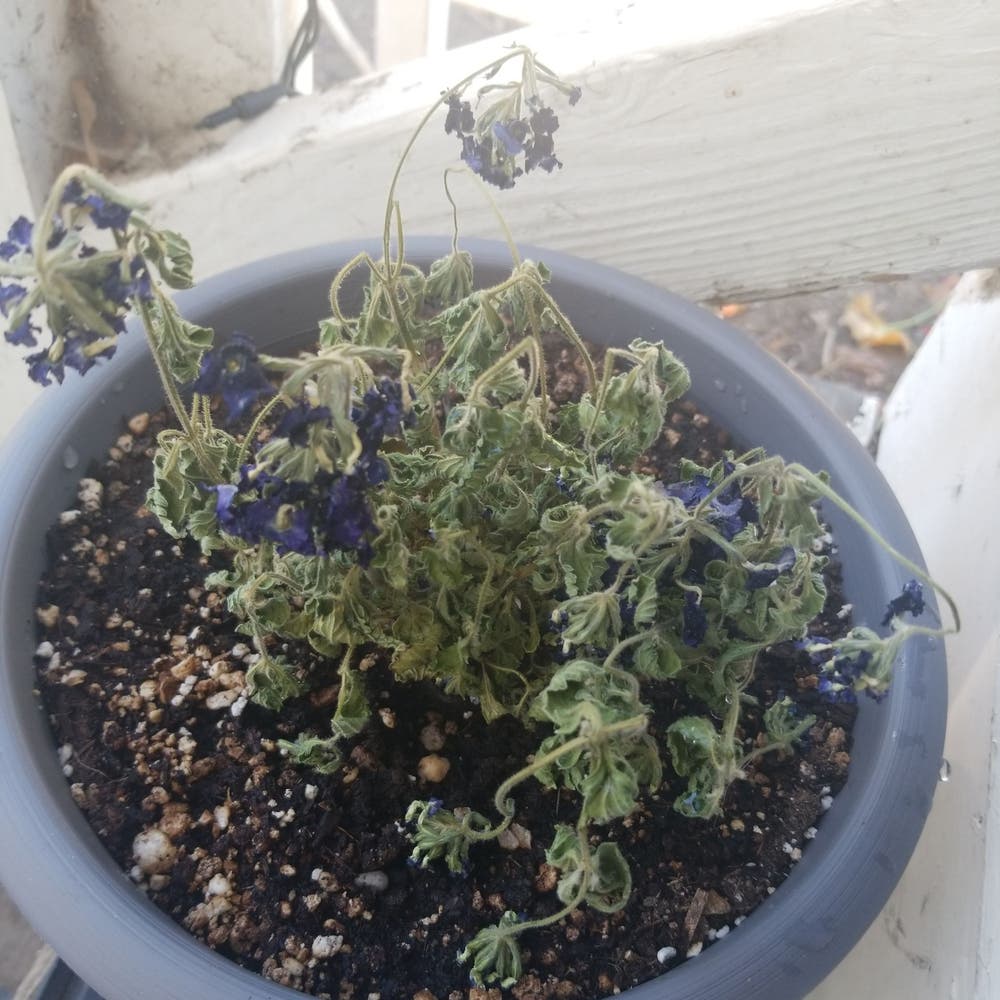
Best Fertilizer for Verbena 'De La Mina' 💧
Verbena lilacina 'De La Mina'
By the Greg Editorial Team
Oct 10, 2024•6 min read
This article was created with the help of AI so we can cover more plants for you. May contain errors. See one? Report it here.
- 🌱 Granular and liquid fertilizers are essential for consistent and quick nutrient delivery.
- 📊 N-P-K ratios of 5-10-10 or 10-20-20 optimize blooming for Verbena 'De La Mina'.
- 🚫 Avoid over-fertilization by monitoring signs like brown tips and adjusting accordingly.
Types of Fertilizers Suitable for Verbena
🌾 Granular Fertilizers
Granular fertilizers are a fantastic choice for Verbena, especially slow-release options. They provide a consistent nutrient supply over time, ensuring your plants thrive without the risk of nutrient spikes.
When selecting a granular fertilizer, consider brands like Osmocote or Miracle-Gro. Their formulations are specifically designed for flowering plants, making them ideal for Verbena.
💧 Liquid Fertilizers
Liquid fertilizers offer fast-acting nutrients that can deliver immediate results. They are particularly useful during the growing season when your Verbena needs a quick nutrient boost.
For best results, dilute liquid fertilizers according to package instructions. Apply them during cooler parts of the day to prevent leaf burn and ensure even coverage on both soil and foliage.
🌱 Organic Fertilizers
Organic fertilizers, such as compost, fish emulsion, and seaweed extract, are excellent for Verbena care. They enrich the soil naturally and promote healthy growth without the risk of chemical buildup.
Using organic options can enhance soil structure and microbial activity, leading to stronger plants. Plus, they are environmentally friendly, making them a great choice for eco-conscious gardeners.
⚗️ Synthetic Fertilizers
Synthetic fertilizers have their pros and cons. They provide quick nutrient availability, which can be beneficial for rapid growth.
However, they also come with risks, such as over-fertilization and nutrient runoff. It's crucial to use them judiciously to avoid harming your Verbena and the surrounding environment.
In summary, choosing the right type of fertilizer for your Verbena can significantly impact its growth and blooming potential. Understanding the benefits and drawbacks of each option will help you make informed decisions for your garden. Next, let’s explore the recommended N-P-K ratios for optimal growth.
Recommended N-P-K Ratios for Optimal Growth
When it comes to fertilizing Verbena 'De La Mina', choosing the right N-P-K ratio is crucial for vibrant blooms. The ideal ratios for flowering are typically 5-10-10 or 10-20-20, which provide a balanced nutrient supply tailored for optimal growth.
🌱 Understanding N-P-K Components
To make the most of these ratios, it’s essential to understand what each component does:
Nitrogen (N)
Nitrogen is the powerhouse for foliage growth. It encourages lush, green leaves, which are vital for photosynthesis and overall plant vigor.
Phosphorus (P)
Phosphorus plays a key role in root development and flowering. It helps establish a strong root system, leading to more robust blooms.
Potassium (K)
Potassium strengthens plant health and boosts disease resistance. It’s crucial for overall vitality, helping your Verbena withstand environmental stresses.
By using the right N-P-K ratios, you can ensure your Verbena thrives, producing stunning flowers that brighten any garden.
As you prepare to fertilize, remember that timing and application methods also play significant roles in your plant's success.
Fertilization Schedule
Best Times to Fertilize 🌱
Timing is crucial for the health of your Verbena. Start fertilizing in early spring to kick off the growth phase, then boost blooming with a mid-summer application.
Late summer is also important; it prepares your plants for a vibrant fall display. This schedule ensures your Verbena thrives throughout the growing season.
Frequency of Fertilization During the Growing Season 📅
Granular fertilizers should be applied every 6-8 weeks. This steady supply of nutrients keeps your plants healthy and vibrant.
For liquid fertilizers, aim for every 2-4 weeks, adjusting based on the growth stage. Always be mindful of weather conditions, as they can affect how your plants respond.
Adjusting Fertilization Based on Growth Stages 📈
During the seedling stage, use lower nutrient levels to prevent burning young plants. As your Verbena enters the vegetative stage, increase nitrogen to promote lush foliage.
When it’s time for flowering, shift your focus to higher phosphorus and potassium levels. This adjustment will enhance blooms and overall plant health, ensuring a stunning display.
With this fertilization schedule, your Verbena will be set for success, leading to a flourishing garden. Next, let’s explore the best application methods to maximize your efforts.
Application Methods
🌱 How to Apply Granular Fertilizers
Applying granular fertilizers is straightforward and effective. Start by measuring the recommended amount based on the package instructions.
Distribute the granules evenly around the base of the plant. This ensures that the nutrients reach the roots where they are needed most. After application, water thoroughly to activate the fertilizer and help it penetrate the soil.
💧 How to Use Liquid Fertilizers Effectively
Liquid fertilizers can provide a quick nutrient boost for your Verbena. Begin by diluting the liquid according to the package instructions.
For best results, apply the fertilizer during the cooler parts of the day. This helps prevent leaf burn and ensures even coverage on both the soil and foliage.
🌿 Tips for Foliar Feeding
Foliar feeding can be a game-changer for your plants. The best time to apply is early morning or late afternoon when temperatures are cooler.
Use a fine mist spray to avoid runoff and ensure that the leaves absorb the nutrients effectively. Aim to foliar feed every 2-3 weeks during active growth for optimal results.
With these application methods, you can ensure your Verbena 'De La Mina' receives the nutrients it needs to thrive. Next, let’s explore the signs of over-fertilization and how to address them effectively.
Signs of Over-Fertilization
🌱 Symptoms of Nutrient Burn
Over-fertilization can lead to noticeable symptoms in your Verbena. One of the first signs is leaf tips turning brown or crispy, indicating nutrient burn.
You may also observe stunted growth and reduced flowering. If your plants are struggling, look for yellowing leaves, particularly on older foliage, as this can signal an excess of nutrients.
⚠️ How to Rectify Over-Fertilization Issues
If you suspect over-fertilization, take action quickly. Start by flushing the soil with water to dilute excess nutrients, which helps restore balance.
Next, monitor your plant's health closely and adjust your fertilization practices accordingly. If issues persist, consider soil testing to assess nutrient levels and make informed adjustments.
Recognizing these signs early can save your Verbena and keep it thriving. Now that you know how to identify and address over-fertilization, let’s explore common mistakes and solutions to ensure your plants receive the right care.
Common Mistakes and Solutions
Misunderstanding Fertilizer Labels 🌱
Reading fertilizer labels is crucial for successful Verbena care. The N-P-K ratios indicate the nutrient content, guiding you in selecting the right product for your plants.
Many gardeners fall into the trap of using "all-purpose" fertilizers, assuming they meet all needs. However, these can lack the specific nutrients that Verbena requires for optimal growth.
Overlooking Seasonal Changes in Fertilization Needs 🌦️
Fertilization needs change with the seasons. As temperatures rise or fall, adjusting your fertilization strategy is essential for maintaining healthy Verbena.
Recognizing signs of seasonal stress, like wilting or discoloration, can help you respond effectively. This awareness ensures your plants thrive throughout the year.
Addressing Nutrient Deficiencies 🥦
Identifying nutrient deficiencies is key to keeping your Verbena vibrant. Symptoms like yellowing leaves or stunted growth signal that your plants may need a nutrient boost.
To correct deficiencies, consider specific fertilizers tailored to the missing nutrients. This targeted approach can rejuvenate your plants and enhance their overall health.
Understanding these common mistakes and solutions will empower you to cultivate thriving Verbena. With the right knowledge, you can ensure your plants flourish beautifully.
⚠️ Safety First
This content is for general information and may contain errors, omissions, or outdated details. It is not medical, veterinary advice, or an endorsement of therapeutic claims.
Always consult a qualified healthcare professional before using any plant as food, medicine, or supplement.
Never eat any plant (or feed one to pets) without confirming its identity with at least two trusted sources.
If you suspect poisoning, call Poison Control (800) 222-1222, the Pet Poison Helpline (800) 213-6680, or your local emergency service immediately.
Spotted an error? Please report it here.
Keep your Verbena 'De La Mina' blooming beautifully 🌸 by using Greg's tailored fertilization reminders and expert tips to ensure your plants get the nutrients they crave!