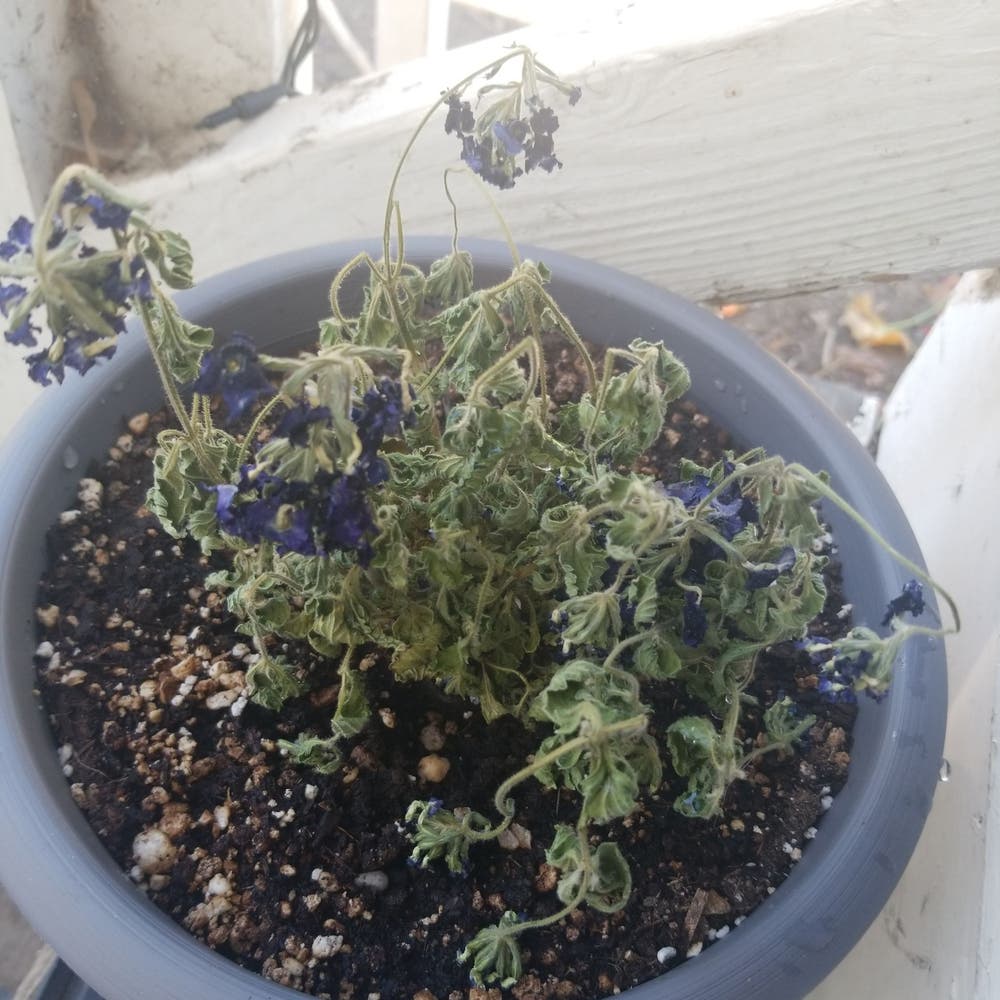
🌸 4 Tips for Blooming Your Verbena 'De La Mina'
Verbena lilacina 'De La Mina'
By the Greg Editorial Team
Oct 10, 2024•5 min read
This article was created with the help of AI so we can cover more plants for you. May contain errors. See one? Report it here.
- 🌼 Verbena 'De La Mina' blooms attract pollinators and enhance garden beauty.
- ☀️ Ensure 6-8 hours of sunlight and well-drained soil for optimal blooming.
- ✂️ Regular deadheading stimulates new blooms, keeping your garden vibrant.
Flowering Status
Clarification on Flowering Status 🌸
Yes, Verbena 'De La Mina' does produce flowers! This flowering is crucial for the plant's life cycle, enhancing its ornamental appeal and attracting pollinators.
Flowers not only add beauty but also play a vital role in reproduction. They signify a healthy plant and can elevate the overall aesthetic of your garden.
Explanation of Non-Flowering Characteristics 🌱
Sometimes, you might notice your Verbena 'De La Mina' not flowering. This can occur due to various factors, such as inadequate sunlight or poor soil conditions.
Even without flowers, the plant remains valuable for its lush foliage and cascading growth habit. Its vibrant leaves can still bring life to your garden, making it a worthy addition.
If Verbena 'De La Mina' Flowers
🌸 Flower Characteristics
Description of Colors and Structure
Verbena 'De La Mina' showcases a stunning array of colors, primarily in shades of purple, pink, and white. Its small, clustered flowers form dense spikes, creating a vibrant display that adds charm to any garden.
These flowers are not just pretty; they symbolize healing and protection, making them a meaningful addition to your landscape.
Self-Pollination vs. External Pollination
This plant is primarily self-pollinating, which means it can fertilize itself without needing help from others. However, external pollinators like bees and butterflies play a crucial role in enhancing seed production and genetic diversity.
🌼 Blooming Process
Stages of Blooming
The blooming process begins with bud formation, where flower buds develop and prepare to open. As the season progresses, these buds transition through various stages until they reach full bloom.
Typical Bloom Time
Verbena 'De La Mina' typically blooms from late spring to early fall. Expect a full bloom cycle to take about 6-8 weeks from the initial bud formation.
Duration from Bud Formation to Full Bloom
On average, it takes about 4-6 weeks for the flowers to go from bud formation to full bloom, depending on environmental conditions. This timeframe can vary, so keep an eye on your plants!
Lifespan of Flowers
Once in bloom, the flowers usually last for about 2-3 weeks before wilting. This short lifespan is a reminder to appreciate their beauty while they last.
🌱 Encouraging Blooms
Tips for Promoting Flowering
To encourage more blooms, ensure your Verbena 'De La Mina' receives full sun exposure for 6-8 hours daily. Additionally, maintaining well-drained soil and avoiding overwatering are key to promoting healthy growth.
Regular deadheading—removing spent flowers—can also stimulate new blooms, keeping your garden vibrant.
Factors Influencing Blooms
Soil quality plays a significant role in blooming; nutrient-rich, well-draining soil is ideal. Temperature is another factor; this plant thrives in warm weather, and cold snaps can hinder its flowering potential.
🌿 Post-Flowering
What Happens After Flowering
After flowering, you'll notice the flowers wilting and seed formation beginning. If conditions are favorable, there's potential for a second bloom cycle, so don’t lose hope!
Lifespan of the Plant Post-Bloom
It's important to note that Verbena 'De La Mina' does not die after flowering. With proper care, it can continue to thrive and produce new growth.
🐝 Pollination
Methods of Pollination
Self-pollination is the primary method by which Verbena 'De La Mina' fertilizes itself. Nevertheless, the presence of bees and butterflies enhances genetic diversity, contributing to a healthier plant population.
With this knowledge, you can better appreciate the beauty and resilience of Verbena 'De La Mina'. Next, let’s explore what happens if this vibrant plant doesn’t flower.
If Verbena 'De La Mina' Doesn't Flower
🌿 Primary Ornamental or Functional Features
Even without flowers, Verbena 'De La Mina' shines with its cascading growth habit and vibrant foliage. Its lush green leaves create a stunning backdrop, making it an excellent choice for ornamental gardens.
This plant is perfect for filling spaces and serving as ground cover. Its ability to spread out beautifully adds texture and depth to any garden design.
🌱 Reproductive Strategies Without Flowers
Verbena 'De La Mina' has clever ways to reproduce even when it doesn't flower. It can spread vegetatively through cuttings or runners, ensuring its presence in your garden continues.
Moreover, its foliage plays a crucial role in attracting pollinators, even in the absence of blooms. This means that while it may not be flowering, it still contributes to the ecosystem, supporting bees and butterflies.
In summary, Verbena 'De La Mina' remains a valuable addition to your garden, showcasing its beauty and functionality regardless of its flowering status.
Unique Aspects
Unusual Characteristics Related to Flowering or Non-Flowering 🌼
Verbena 'De La Mina' showcases fascinating variations in flower color and structure, heavily influenced by environmental conditions. Factors like sunlight exposure and soil quality can lead to differences in blooming, making each plant unique in its flowering display.
However, this beauty comes with a caveat: the plant is sensitive to overwatering. Excess moisture can hinder its ability to bloom, emphasizing the importance of well-drained soil for optimal growth.
Interesting Facts or Trivia About Reproductive Strategies 🧬
This resilient plant has developed unique adaptations for survival and reproduction. For instance, it can reproduce vegetatively through cuttings or runners, ensuring its presence even in less-than-ideal conditions.
Historically, Verbena 'De La Mina' has held cultural significance in various gardening traditions. Its vibrant foliage and cascading growth habit make it a favorite for ornamental gardens, proving that beauty can thrive even without abundant flowers.
⚠️ Safety First
This content is for general information and may contain errors, omissions, or outdated details. It is not medical, veterinary advice, or an endorsement of therapeutic claims.
Always consult a qualified healthcare professional before using any plant as food, medicine, or supplement.
Never eat any plant (or feed one to pets) without confirming its identity with at least two trusted sources.
If you suspect poisoning, call Poison Control (800) 222-1222, the Pet Poison Helpline (800) 213-6680, or your local emergency service immediately.
Spotted an error? Please report it here.
Transform your garden with stunning blooms from your Verbena 'De La Mina' 🌼 by using Greg's tailored care reminders to ensure it thrives beautifully all season long!