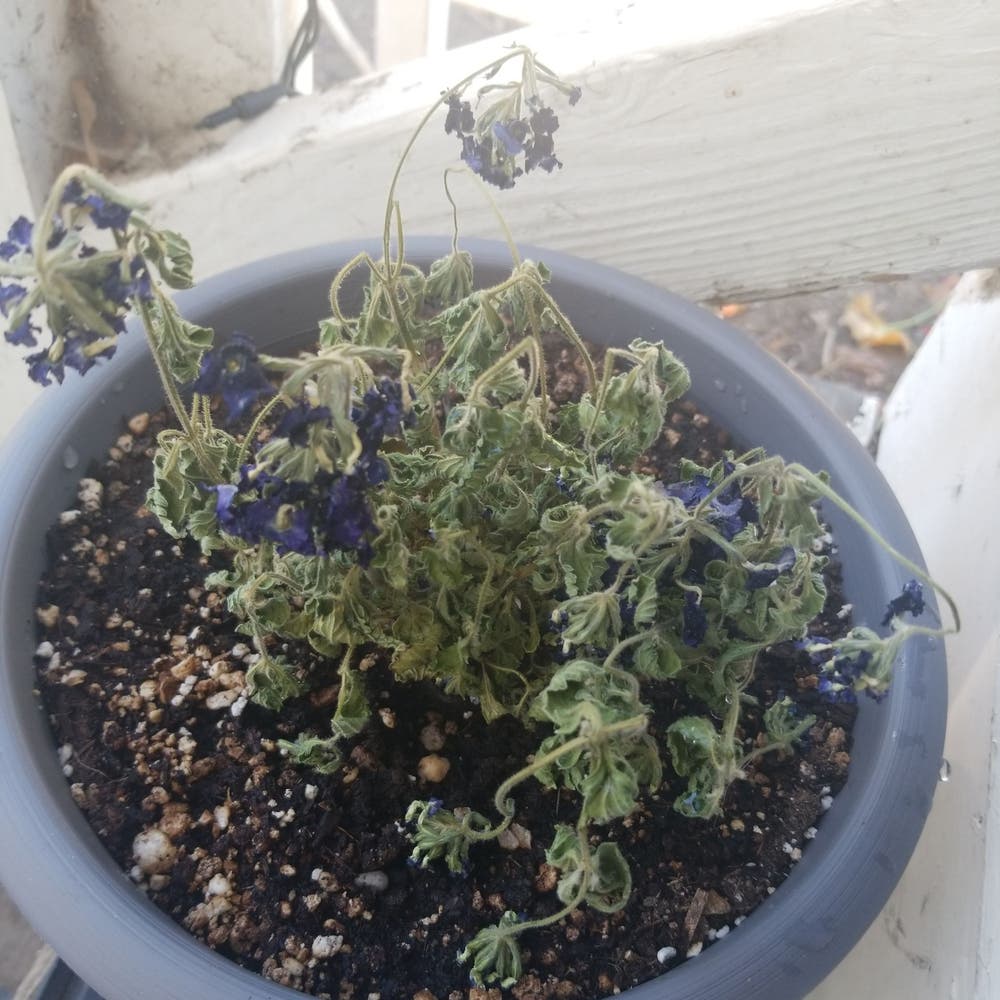
🌸 Why Your Verbena 'De La Mina' Buds Are Falling Off
Verbena lilacina 'De La Mina'
By the Greg Editorial Team
Oct 10, 2024•6 min read
This article was created with the help of AI so we can cover more plants for you. May contain errors. See one? Report it here.
- 🌱 Environmental stress, pests, and diseases cause premature bud drop in Verbena 'De La Mina.'
- 💧 Consistent watering and soil quality are vital for preventing bud drop and promoting health.
- ☀️ Ensure at least six hours of sunlight daily for optimal blooming and growth.
Premature Flower Drop
🌱 Common Causes of Bud Drop
Premature flower drop in your Verbena 'De La Mina' can be frustrating. Several factors contribute to this issue, starting with environmental stress. Extreme heat or drought conditions can shock the plant, leading to bud drop.
Pest problems are another common culprit. Infestations can weaken the plant, making it more susceptible to dropping its buds. Additionally, disease impact from fungal or bacterial infections can create stress, causing the plant to shed its flowers prematurely.
🛠️ Solutions to Prevent Premature Drop
Fortunately, there are easy solutions to help prevent premature bud drop. Start with regular monitoring for pests and diseases. Catching these issues early can save your plant from further stress.
Next, implement consistent watering practices. Keeping the soil evenly moist helps the plant thrive. Lastly, during extreme heat, consider providing shade to protect your Verbena from harsh sunlight.
By addressing these factors, you can enjoy a flourishing display of blooms. Now, let's explore the reasons your Verbena might fail to bloom altogether.
Failure to Bloom
Identifying Reasons for Lack of Blooms 🌱
If your Verbena 'De La Mina' isn't blooming, it might be due to insufficient light exposure. These plants thrive on at least six hours of direct sunlight daily.
Nutrient deficiencies can also play a significant role. A lack of essential nutrients can stunt growth and prevent flowering.
Soil quality is another critical factor. Poor drainage or compacted soil can hinder root health, making it difficult for your plant to thrive.
Remedies for Encouraging Blooming 🌼
To encourage blooming, start by adjusting light exposure. Moving your plant to a sunnier location can make a world of difference.
Next, consider fertilizing with a balanced fertilizer. This ensures your Verbena gets the nutrients it needs to flourish.
Improving soil quality is equally important. Amending the soil with organic matter can enhance drainage and promote healthier root growth.
By addressing these factors, you can help your Verbena 'De La Mina' reach its full blooming potential. With a little care and attention, those vibrant flowers will soon be on display!
Abnormal Flower Development
🌼 Signs of Abnormal Flower Growth
If your Verbena 'De La Mina' is producing misshapen or stunted flowers, it’s a clear indicator of stress or nutrient issues. Additionally, color variations in the blooms can signal underlying problems that need attention.
🔍 Factors Affecting Flower Morphology
Nutritional imbalances are a primary culprit behind abnormal flower development. Both excess and deficiency of key nutrients can disrupt growth and lead to unsightly blooms.
Environmental factors also play a significant role. Temperature fluctuations can impact flower morphology, causing unexpected changes in size and shape.
Understanding these signs and factors is crucial for maintaining the health and beauty of your Verbena. By addressing these issues, you can encourage more robust and vibrant blooms, enhancing your garden's overall appeal.
As we explore further, let’s dive into the environmental factors that affect flowering.
Environmental Factors Affecting Flowering
🌞 Light Requirements
Importance of Sunlight for Blooming
Sunlight is crucial for the health and blooming of Verbena 'De La Mina.' It fuels photosynthesis, which directly impacts flower production and overall plant vitality.
For optimal growth, ensure your Verbena receives at least six hours of direct sunlight daily. This exposure promotes lush blooms and vibrant foliage.
☀️ Adjusting Light Exposure
Strategies for Increasing Sunlight
If your Verbena isn’t getting enough light, consider relocating pots to sunnier spots. Trimming surrounding plants can also help maximize light exposure.
To accurately monitor light levels, use a light meter. This tool can help you determine if your plant is receiving adequate sunlight.
🌱 Nutritional Needs
Key Nutrients for Healthy Flowering
Healthy flowering relies on a balanced supply of nutrients. Key elements include nitrogen, phosphorus, and potassium (NPK), which are essential for blooming.
Micronutrients like calcium, magnesium, and iron also play vital roles in plant health. They support various functions, ensuring your Verbena thrives.
⚠️ Signs of Nutrient Deficiencies
Identifying Nutrient Issues
Watch for yellowing leaves, which often indicate a nitrogen deficiency. This can hinder growth and flowering.
If you notice poor flower production, it may suggest issues with phosphorus or potassium levels. Addressing these deficiencies can rejuvenate your plant’s blooming potential.
💧 Watering Practices
Impact of Overwatering and Underwatering
Watering practices significantly influence your Verbena's health. Overwatering can lead to root rot and wilting, while underwatering results in dry, crispy leaves and bud drop.
Recognizing these symptoms early can help you adjust your care routine effectively.
📅 Best Practices for Watering
Establishing a Watering Schedule
To maintain healthy growth, establish a consistent watering schedule. Adjust the frequency and amount based on the soil's moisture level.
Use a moisture meter or a simple finger test to check soil moisture. This ensures your Verbena receives just the right amount of water.
By understanding and managing these environmental factors, you can foster a thriving Verbena 'De La Mina.' Next, let’s explore pruning techniques that can further enhance your plant's blooming potential.
Pruning and Maintenance
🌿 Pruning Techniques
Pruning is essential for maintaining the health and vibrancy of your Verbena 'De La Mina.' It promotes new growth and encourages more blooms, ensuring your plant remains lush and colorful.
However, excessive pruning can hinder flower production. It's crucial to strike a balance; too much cutting can stress the plant and reduce its flowering potential.
⏰ Best Times to Prune for Optimal Blooms
The best time to prune your Verbena is early spring or right after the last frost. This timing allows the plant to recover and flourish as the growing season begins.
Additionally, deadheading spent flowers is a simple yet effective technique. It encourages the plant to focus energy on producing new blooms rather than seed formation.
🍂 Seasonal Considerations
How Seasonal Changes Impact Flowering
Understanding the bloom cycle of Verbena 'De La Mina' is vital for optimal care. Seasonal patterns dictate when your plant will thrive and when it may slow down.
Temperature fluctuations can significantly affect flowering behavior. Warmer months typically promote more blooms, while cooler temperatures may lead to dormancy.
🔄 Adjusting Care Based on Bloom Cycle
Modifying your watering and fertilization schedules according to the seasons is essential. During active growth, your plant will need more nutrients and moisture.
As fall approaches, prepare for dormancy by reducing care. This means less watering and fertilizing, allowing your Verbena to rest and rejuvenate for the next blooming season.
By understanding these pruning and seasonal maintenance techniques, you can ensure your Verbena 'De La Mina' remains healthy and vibrant throughout the year. Next, let’s explore the environmental factors that can influence flowering.
⚠️ Safety First
This content is for general information and may contain errors, omissions, or outdated details. It is not medical, veterinary advice, or an endorsement of therapeutic claims.
Always consult a qualified healthcare professional before using any plant as food, medicine, or supplement.
Never eat any plant (or feed one to pets) without confirming its identity with at least two trusted sources.
If you suspect poisoning, call Poison Control (800) 222-1222, the Pet Poison Helpline (800) 213-6680, or your local emergency service immediately.
Spotted an error? Please report it here.
Keep your Verbena 'De La Mina' blooming beautifully 🌼 by using Greg's tailored reminders for watering and nutrients, ensuring your plant thrives all season long!