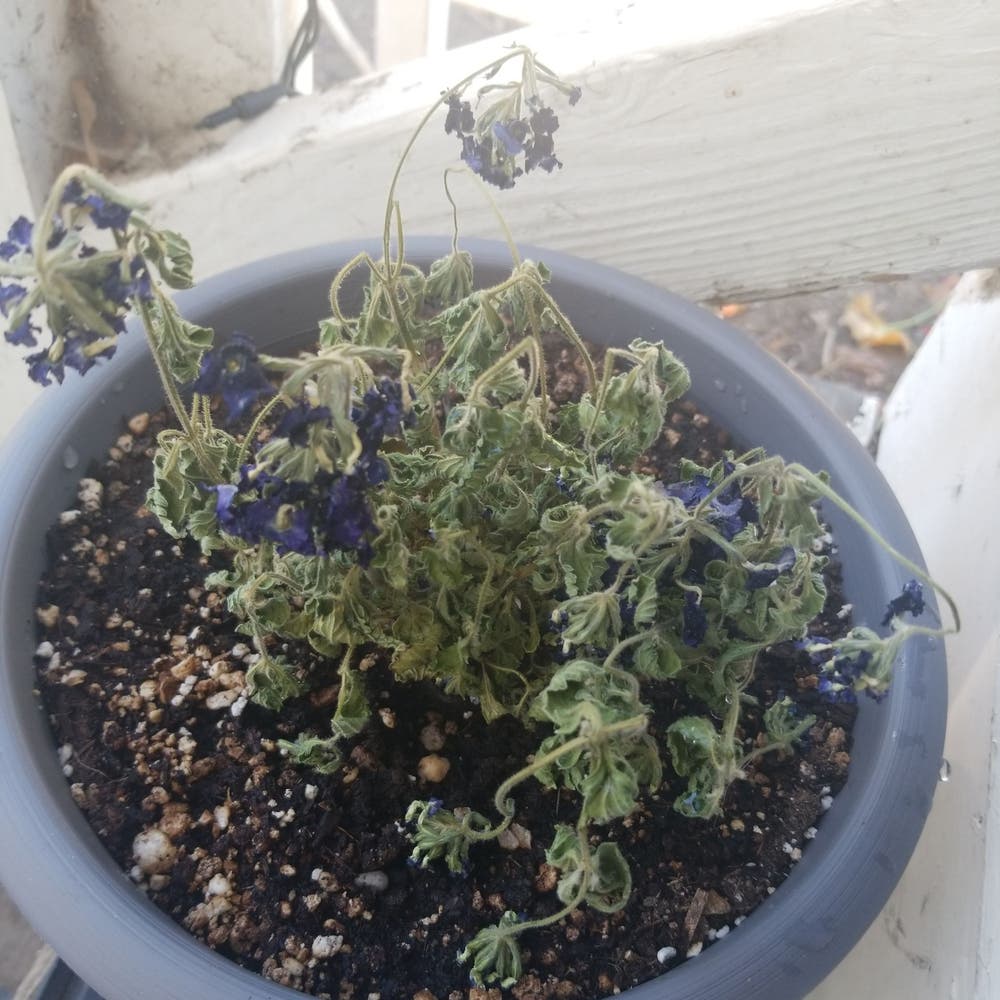
🌸 Why Your Verbena 'De La Mina' Leaves Are Falling Over
Verbena lilacina 'De La Mina'
By the Greg Editorial Team
Oct 10, 2024•6 min read
This article was created with the help of AI so we can cover more plants for you. May contain errors. See one? Report it here.
- 💧 Overwatering and underwatering cause leaf drop; balance moisture for healthy growth.
- 🌱 Nutrient deficiencies like nitrogen and potassium lead to yellowing and browning leaves.
- 🐛 Pests and diseases can damage leaves; regular inspections are essential for prevention.
Causes of Leaf Drop
💧 Overwatering and Its Effects
Overwatering is a common issue that can lead to significant problems for your Verbena 'De La Mina.' Symptoms include yellowing leaves and wilting, which often indicate that the roots are drowning.
When excessive moisture accumulates, it can result in root rot, severely impacting root health and nutrient uptake. This condition also makes the plant more susceptible to fungal diseases, further complicating recovery.
🚰 Underwatering and Its Effects
On the flip side, underwatering can also cause your plant's leaves to drop. Signs of insufficient moisture include wilting leaves and browning edges, which can stunt growth and reduce flowering.
If a plant is consistently underwatered, it experiences stress that can lead to leaf drop. Over time, this can have long-term effects on the plant's vitality, making it crucial to find a balance.
🥦 Nutrient Deficiencies
Nitrogen Deficiency
Nitrogen is vital for foliage health, and a deficiency can manifest as yellowing of older leaves and poor growth. Without adequate nitrogen, your Verbena may struggle to thrive.
Potassium Deficiency
Potassium plays a crucial role in overall plant vigor. Symptoms of deficiency include leaf curling and browning at the tips, which can weaken the plant's structure and health.
🐛 Pest Infestations
Common Pests
Pests can wreak havoc on your Verbena, leading to leaf drop. Aphids are notorious for leaving a sticky residue and causing curled leaves, weakening the plant significantly.
Spider mites are another concern, often leaving fine webbing and stippled leaves in their wake. Their damage reduces photosynthesis and overall vigor, making it essential to monitor for these pests regularly.
🍄 Fungal Diseases
Powdery Mildew
Fungal diseases like powdery mildew can also contribute to leaf drop. Look for white powdery spots on leaves, which indicate an infection that can severely impact leaf health and overall plant vigor.
Understanding these causes is the first step in addressing leaf drop issues effectively. By diagnosing the problem early, you can take action to restore your Verbena's health and beauty.
Diagnosing Leaf Drop Issues
🌧️ Identifying Symptoms of Overwatering
Overwatering can be a sneaky culprit behind leaf drop. Look for yellowing leaves and mushy stems as key indicators of excessive moisture.
To assess soil moisture levels, use your finger to check the top inch of soil. If it feels soggy, it's time to adjust your watering habits.
💧 Recognizing Signs of Underwatering
Underwatering presents its own set of challenges. Symptoms include dry, crispy leaves and drooping stems, signaling that your plant is thirsty.
To check for soil dryness, dig a little deeper into the soil. If it feels dry several inches down, your Verbena needs a drink.
🐛 Checking for Pests and Their Damage
Pests can wreak havoc on your plant's health. Conduct a visual inspection by looking closely at leaves and stems for any signs of infestation.
Assess the damage by noting any discoloration or deformation. Identifying the extent of pest-related issues is crucial for effective treatment.
🎨 Observing Leaf Color Changes and Texture
Leaf color is a vital health indicator. Yellowing or browning leaves can signal nutrient deficiencies or stress.
Texture changes are equally telling; soft leaves may indicate overwatering, while crispy ones often point to underwatering. Keep an eye on these signs for better plant care.
🧪 Soil Testing for Nutrient Levels
Testing your soil's nutrient content is essential for maintaining plant health. You can use home testing kits or send samples to a lab for a more detailed analysis.
Balanced nutrients are key to a thriving Verbena. Regular soil testing helps ensure your plant gets what it needs to flourish.
Understanding these diagnostic signs will empower you to take action and restore your Verbena's health. Next, let’s explore effective treatment solutions to address these issues head-on.
Treatment Solutions
Adjusting Watering Practices 💧
Correcting watering issues is crucial for your Verbena 'De La Mina.' Start by assessing the soil moisture; if it's too wet, allow it to dry out before watering again.
For underwatering, give your plant a thorough soak, ensuring water reaches the roots. Consistency is key—maintain even moisture levels to keep your plant thriving.
Applying Fertilizers Correctly 🌱
Fertilizing your Verbena can significantly enhance its health. Apply fertilizers during the growing season, ideally in spring, to support robust growth.
Follow the recommended dosages on the label to avoid nutrient burn. Over-fertilizing can be just as harmful as under-fertilizing, so precision is essential.
Treating Pests with Organic or Chemical Solutions 🐛
Pest infestations can wreak havoc on your Verbena. For common pests like aphids and spider mites, consider using insecticidal soap or neem oil as effective treatments.
Always follow label instructions for safety and effectiveness. This ensures you’re treating your plant without causing additional harm.
Managing Fungal Infections 🍄
Fungal diseases can be detrimental to your plant's health. Use fungicides specifically designed for powdery mildew and other common issues, applying them as directed.
In addition to chemical treatments, adopt cultural practices like improving air circulation and avoiding overhead watering to prevent future outbreaks.
Rehabilitating Stressed Plants 🌿
If your Verbena is showing signs of stress, consider pruning to encourage new growth. Remove any dead or damaged leaves to help the plant focus its energy on healthy parts.
Relocating your plant to a spot with better light and temperature conditions can also make a significant difference. A little TLC can go a long way in revitalizing your Verbena.
Seasonal Considerations
🌱 Spring Care
Spring is a critical time for your Verbena 'De La Mina.' To promote healthy growth, ensure you provide adequate water and nutrients as the plant awakens from dormancy.
Deadheading spent blooms encourages new growth and prolongs flowering. Fertilization is also essential; use a balanced fertilizer to support robust foliage development.
☀️ Summer Heat Stress Management
As temperatures rise, your Verbena may face heat stress. Implement mulching around the base to retain soil moisture and regulate temperature.
Keep an eye out for signs of heat stress, such as wilting or browning leaves. Adjust your watering schedule to ensure the plant remains hydrated during these hot months.
🍂 Fall Preparation for Winter Dormancy
Preparing your Verbena for winter is crucial for its survival. Begin by pruning back any dead or damaged growth to encourage healthy regrowth in spring.
Reduce watering as the temperatures drop, and consider protecting your plants from frost with covers or relocating them to sheltered areas. This preparation helps your Verbena thrive when spring returns.
❄️ Winter Care Tips
During winter, indoor care becomes essential for your Verbena. Maintain humidity levels by misting the leaves or placing a humidifier nearby.
Ensure your plant receives adequate light, either from a sunny window or grow lights. This attention will keep your Verbena healthy and ready to flourish come spring.
With these seasonal considerations in mind, you can nurture your Verbena 'De La Mina' throughout the year, ensuring it remains vibrant and resilient.
⚠️ Safety First
This content is for general information and may contain errors, omissions, or outdated details. It is not medical, veterinary advice, or an endorsement of therapeutic claims.
Always consult a qualified healthcare professional before using any plant as food, medicine, or supplement.
Never eat any plant (or feed one to pets) without confirming its identity with at least two trusted sources.
If you suspect poisoning, call Poison Control (800) 222-1222, the Pet Poison Helpline (800) 213-6680, or your local emergency service immediately.
Spotted an error? Please report it here.
Keep your Verbena 'De La Mina' thriving 🌿 by using Greg's tailored care reminders to master watering, nutrients, and pest control for a flourishing plant all year round!