🌼 How to Cure Dropping Leaves on Your Verbena 'De La Mina'
Verbena lilacina 'De La Mina'
By the Greg Editorial Team
Oct 10, 2024•5 min read
This article was created with the help of AI so we can cover more plants for you. May contain errors. See one? Report it here.
- 💧 Overwatering causes yellowing and root rot; ensure well-draining soil for Verbena.
- 🌱 Underwatering leads to crispy leaves; check moisture regularly for healthy growth.
- 🐛 Pests like aphids and spider mites can cause leaf drop; inspect leaves often.
Causes of Leaf Drop
💧 Overwatering and Its Effects
Overwatering is a common issue that can lead to significant problems for your Verbena 'De La Mina'. Symptoms include leaf yellowing and wilting, soft, mushy stems, and the dreaded root rot.
To prevent these issues, ensure your soil is well-draining. This helps avoid water accumulation, which is crucial for the health of your plant.
🚰 Underwatering and Its Symptoms
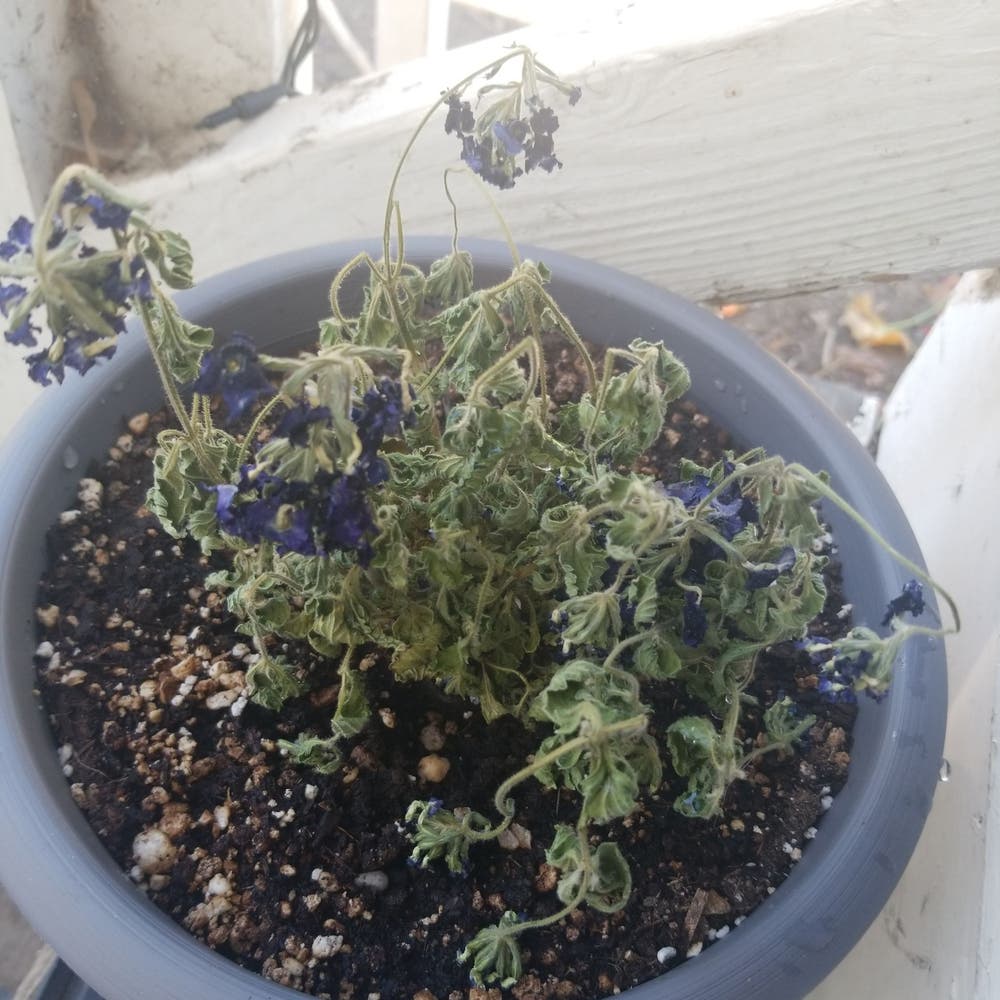
On the flip side, underwatering can also cause distress. Signs include crispy, dry leaves, leaf curling or browning at the edges, and stunted growth.
Regularly check your plant's moisture levels to avoid these symptoms and keep your Verbena thriving.
🐜 Pest Infestations
Aphids
Aphids are small, green or black insects that can wreak havoc on your plants. They cause leaf curling, yellowing, and can ultimately lead to leaf drop.
Spider Mites
Spider mites are another pest to watch for. You can identify them by fine webbing on leaves and a stippled appearance, which weakens the plant and contributes to leaf drop.
🍄 Fungal Diseases
Powdery Mildew
Powdery mildew manifests as white, powdery spots on leaves. This fungal disease impacts leaf health and can lead to leaf drop if not addressed.
Root Rot
Root rot is a serious condition characterized by wilting, even when the plant is adequately watered, and a foul smell emanating from the soil. It's essential to act quickly if you suspect this issue.
Understanding these causes is the first step in addressing leaf drop in your Verbena 'De La Mina'. Next, we'll explore how to diagnose these issues effectively.
Diagnosing Leaf Drop Issues
🌊 Identifying Signs of Overwatering
Overwatering can be a silent killer for your Verbena 'De La Mina.' To check soil moisture levels, use a moisture meter or simply stick your finger into the soil; if it feels soggy, it's time to reassess your watering habits.
Keep an eye on the plant's appearance as well. Yellowing leaves and mushy stems are clear indicators that your plant is drowning.
💧 Recognizing Signs of Underwatering
On the flip side, underwatering presents its own set of challenges. Look for cracked or hard soil surfaces, which signal that your plant isn't getting enough moisture.
Additionally, inspect the leaves. If they feel dry and crispy, it's a telltale sign that your Verbena is thirsty and needs immediate attention.
🐛 Checking for Pests and Diseases
Pests and diseases can also contribute to leaf drop, so a visual inspection is crucial. Check the undersides of leaves for any unwanted guests; aphids and spider mites love to hide there.
Don't forget to look for fungal signs as well. White spots or discoloration on the foliage can indicate a fungal issue that needs addressing before it escalates.
By diagnosing these issues early, you can take the necessary steps to restore your Verbena's health and vibrancy. Next, let’s explore effective treatment solutions to tackle these problems head-on.
Treatment Solutions
🌊 How to Treat Overwatered Verbena
If your Verbena 'De La Mina' is suffering from overwatering, the first step is to stop watering immediately. Allow the soil to dry out completely to prevent further damage.
Next, carefully remove the affected plants from their pots to inspect the roots. Look for any signs of rot, which can appear as dark, mushy areas.
Trim away any rotten roots and repot the plant in fresh, dry soil. This will give your Verbena a fighting chance to recover.
💧 How to Treat Underwatered Verbena
For underwatered Verbena, the solution is straightforward. Water the plant thoroughly, ensuring that moisture reaches the root zone effectively.
After watering, keep an eye on the soil moisture levels regularly. This will help you avoid a recurrence of the issue.
🐞 Pest Control Methods
Insecticidal Soap
Insecticidal soap is a reliable method for controlling pests. Spray it directly on affected areas, making sure to cover all surfaces thoroughly.
Repeat this application every 7-14 days until you see a significant reduction in pests. Consistency is key to regaining control.
Neem Oil
Neem oil is another effective option, acting as a natural pesticide. It disrupts pest life cycles, making it harder for them to thrive.
To use neem oil, dilute it according to the instructions and spray it on the leaves, focusing on the undersides where pests often hide.
🍄 Fungal Treatment Options
Fungicides
When dealing with fungal issues, fungicides can be a game changer. There are two main types: systemic and contact fungicides.
Follow the label instructions carefully for effective treatment. This will ensure your Verbena gets the best chance to bounce back.
With these treatment solutions, your Verbena 'De La Mina' can thrive again. Next, let’s explore ongoing care strategies to maintain its health and vibrancy.
Ongoing Care for Healthy Growth
👀 Regular Monitoring for Signs of Stress
Keeping a close eye on your Verbena 'De La Mina' is essential for its health. Conduct weekly checks for leaf health and any signs of pests to catch issues early.
📅 Fertilization Schedule
A balanced fertilizer, like NPK (10-10-10), is your best friend during the growing season. Apply it every 4-6 weeks to ensure your plant gets the nutrients it needs to thrive.
✂️ Pruning and Deadheading Techniques
Pruning is key to encouraging new growth. Aim to prune after flowering, and don’t forget to deadhead regularly to promote blooming and keep your plant looking its best.
By maintaining these ongoing care practices, you can help your Verbena flourish and minimize the risk of leaf drop. Next, let’s explore effective treatment solutions for any issues that may arise.
⚠️ Safety First
This content is for general information and may contain errors, omissions, or outdated details. It is not medical, veterinary advice, or an endorsement of therapeutic claims.
Always consult a qualified healthcare professional before using any plant as food, medicine, or supplement.
Never eat any plant (or feed one to pets) without confirming its identity with at least two trusted sources.
If you suspect poisoning, call Poison Control (800) 222-1222, the Pet Poison Helpline (800) 213-6680, or your local emergency service immediately.
Spotted an error? Please report it here.
Revive your Verbena 'De La Mina' and keep those leaves lush 🍃 with Greg's tailored watering alerts and pest management tips to ensure your plant flourishes!