🌸 7 Facts About Verbena 'De La Mina' Lifecycle
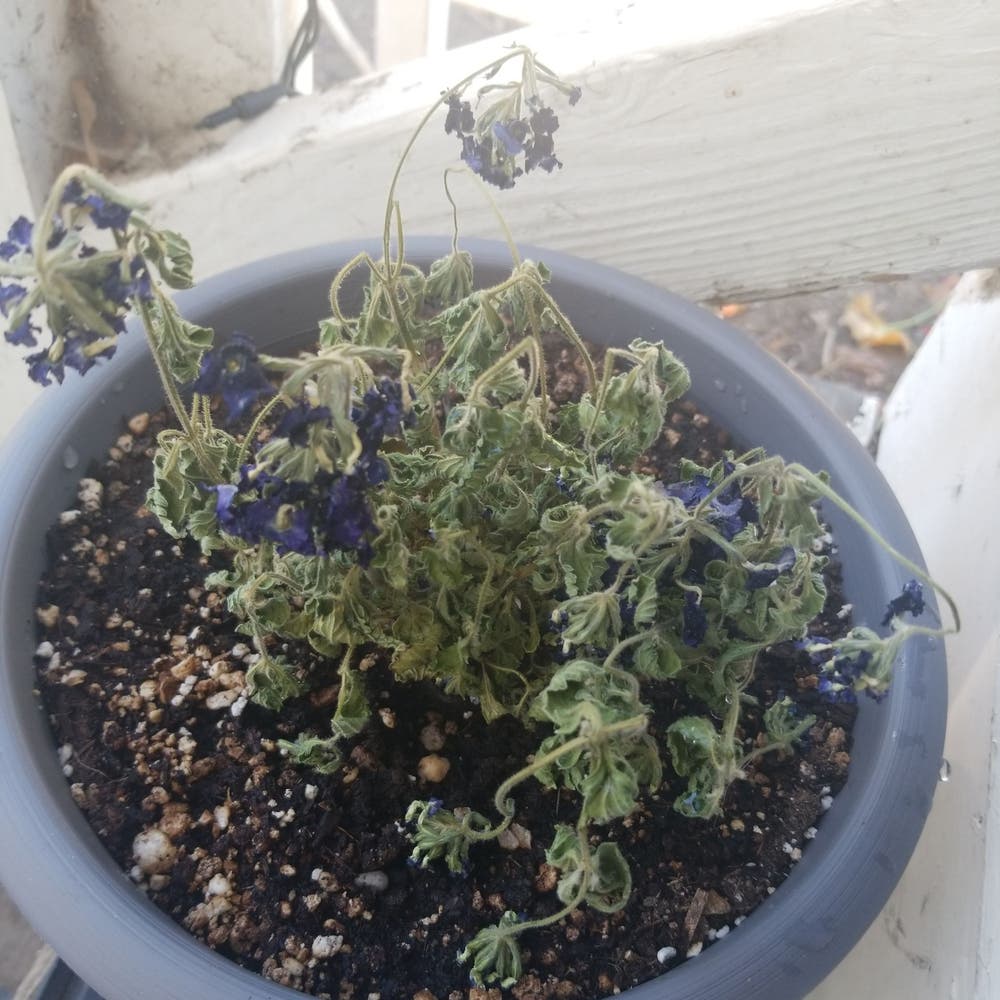
Verbena lilacina 'De La Mina'
By the Greg Editorial Team
Oct 10, 2024•7 min read
This article was created with the help of AI so we can cover more plants for you. May contain errors. See one? Report it here.
- 🌱 Verbena 'De La Mina' germinates in 7-14 days with optimal temperature and moisture.
- 🌞 Requires 6-8 hours of sunlight daily for healthy growth and flowering.
- 🌼 Lifecycle from seed to maturity takes 12-16 weeks, ensuring vibrant blooms.
Germination Stage
Duration of Germination 🌱
The germination period for Verbena 'De La Mina' typically spans 7 to 14 days. This timeframe can vary based on several factors, including temperature, moisture levels, and the quality of the seeds.
Optimal Conditions for Germination 🌡️
To ensure successful germination, aim for an ideal temperature range of 20°C to 25°C (68°F to 77°F).
Soil Requirements
Use a well-draining, light soil mix to provide the best environment for growth.
Moisture Levels
Maintain consistent moisture in the soil, but avoid waterlogging, which can hinder seed development.
Creating the right conditions during this initial stage sets the foundation for a healthy plant lifecycle. With the right care, you'll soon witness the emergence of vibrant seedlings ready to thrive.
Next, we’ll explore the characteristics and duration of the seedling stage.
Seedling Stage
🌱 Characteristics of Seedlings
In the seedling stage, Verbena 'De La Mina' showcases its initial leaf structure, starting with cotyledons that give way to true leaves. This phase is marked by a compact and upright growth habit, setting the foundation for future development.
⏳ Duration of the Seedling Stage
The seedling stage lasts approximately 3-4 weeks, a crucial period for establishing strong plants. You'll know it's time to transplant when your seedlings boast 2-3 sets of true leaves, signaling their readiness for a new environment.
This stage is vital for the overall health of the plant and prepares it for the next exciting phase of growth. As your seedlings thrive, they set the stage for robust vegetative growth, leading to vibrant blooms later on.
Vegetative Growth Stage
🌱 Growth Patterns and Characteristics
During the vegetative growth stage, Verbena 'De La Mina' showcases rapid leaf expansion and branching. This vigorous growth can lead to a height increase of 30-60 cm (12-24 inches), creating a lush and vibrant plant.
⏳ Duration of Vegetative Growth
This stage typically lasts between 6 to 8 weeks. For optimal results, ensure the plants are in full sun and well-drained soil, as these conditions significantly enhance their growth potential.
As the vegetative stage progresses, you'll witness the plant's transformation into a robust specimen, setting the stage for the upcoming flowering phase. The next section will delve into the exciting transition to flowering, where the true beauty of Verbena 'De La Mina' emerges.
Flowering Stage
Timing and Duration of Flowering 🌸
The flowering stage of Verbena 'De La Mina' typically kicks off about 8 to 10 weeks after germination. This vibrant display lasts anywhere from 4 to 6 weeks, depending on environmental conditions.
Changes in Plant Appearance During Flowering 🌼
During this stage, the plant undergoes a stunning visual transformation. You'll notice vibrant clusters of flowers bursting forth, creating a lively spectacle in your garden.
As the flowers bloom, they attract a flurry of pollinators, particularly bees and butterflies. This increased activity not only enhances the garden's ecosystem but also adds to the overall charm of your space.
The flowering stage is a celebration of life and color, marking a pivotal moment in the lifecycle of Verbena 'De La Mina.' With the right conditions, this stage can be a highlight of your gardening experience.
Next, we’ll explore the seed production stage, where the plant prepares for its next generation.
Seed Production Stage
Process of Seed Production 🌱
The seed production stage is a fascinating part of Verbena 'De La Mina's lifecycle. This plant primarily relies on self-pollination, but it can also attract pollinators like bees and butterflies, enhancing genetic diversity.
After flowering, seeds begin to form in the seed heads. This process is crucial for the plant's reproduction and ensures the continuation of its vibrant blooms.
Duration and Conditions for Seed Production ⏳
Seed production typically lasts about 4-6 weeks following the flowering stage. During this time, warm temperatures and adequate moisture are essential for optimal seed development.
Maintaining these conditions helps ensure a healthy yield of seeds, ready to sprout into new plants. Understanding these requirements can significantly enhance your gardening success with Verbena 'De La Mina'.
As we explore the lifecycle further, let's look at the growth rate and maturation of this remarkable plant.
Growth Rate and Maturation
How Long Until Fully Grown? 🌱
The journey from seed to maturity for Verbena 'De La Mina' takes about 12-16 weeks. This timeline can vary based on environmental conditions and care practices, so keep an eye on your plants!
Factors Affecting Growth Rate 🌍
Soil quality plays a crucial role in growth speed. Nutrient-rich, well-draining soil will help your plants thrive.
Watering practices also matter. Aim for consistent moisture, but avoid overwatering to prevent root rot.
Sunlight exposure is vital too. Verbena loves full sun, ideally soaking up 6-8 hours of sunlight daily.
Comparison of Growth Stages Duration 📊
Understanding the duration of each growth stage can help you plan better. Here’s a quick breakdown:
| Growth Stage | Duration |
|---|---|
| Germination | 7-14 days |
| Seedling | 3-4 weeks |
| Vegetative | 6-8 weeks |
| Flowering | 4-6 weeks |
| Seed Production | 4-6 weeks |
By keeping these timelines in mind, you can ensure your Verbena 'De La Mina' reaches its full potential.
As you nurture your plants through these stages, you'll witness their transformation and beauty unfold. Next, let’s explore the notable changes throughout their lifecycle!
Notable Changes Throughout Lifecycle
Visual Changes at Each Stage 🌱
The lifecycle of Verbena 'De La Mina' is marked by distinct visual transformations. During germination, tiny seedlings emerge from the soil, signaling the start of their journey.
As seedlings develop, they produce true leaves and begin to gain height. This stage is characterized by a compact growth habit, setting the foundation for future growth.
In the vegetative stage, the plant showcases lush foliage and branching patterns. This rapid leaf expansion is a sign of healthy growth, preparing the plant for its next phase.
When flowering begins, vibrant clusters of blooms appear, attracting bees and butterflies. This visual spectacle not only enhances the garden but also supports local pollinators.
Finally, in the seed production stage, the plant forms seed heads post-flowering. This marks the culmination of its lifecycle, ready to propagate the next generation.
Environmental Adaptations During Growth 🌍
Verbena 'De La Mina' demonstrates remarkable resilience to varying temperatures. It thrives in warm climates, making it a favorite for gardeners in sunny regions.
Additionally, this plant adapts well to different soil types. It flourishes in various well-drained soils, showcasing its versatility and making it accessible for many gardeners.
Impact of Seasonal Changes on Lifecycle 🍂
Seasonal changes significantly influence the growth patterns of Verbena 'De La Mina.' In warmer months, the plant experiences accelerated growth and flowering, creating a vibrant display.
Conversely, in cooler climates, it may enter a state of dormancy. In frost-prone areas, it often acts as an annual, reminding us of the cyclical nature of life in the garden.
As we explore the lifecycle of Verbena 'De La Mina,' it's clear that each stage is not just a phase but a beautiful evolution, adapting to its environment and showcasing nature's resilience.
⚠️ Safety First
This content is for general information and may contain errors, omissions, or outdated details. It is not medical, veterinary advice, or an endorsement of therapeutic claims.
Always consult a qualified healthcare professional before using any plant as food, medicine, or supplement.
Never eat any plant (or feed one to pets) without confirming its identity with at least two trusted sources.
If you suspect poisoning, call Poison Control (800) 222-1222, the Pet Poison Helpline (800) 213-6680, or your local emergency service immediately.
Spotted an error? Please report it here.
Unlock the full potential of your Verbena 'De La Mina' with Greg's tailored care reminders for thriving blooms 🌸 that attract pollinators and enhance your garden's beauty!