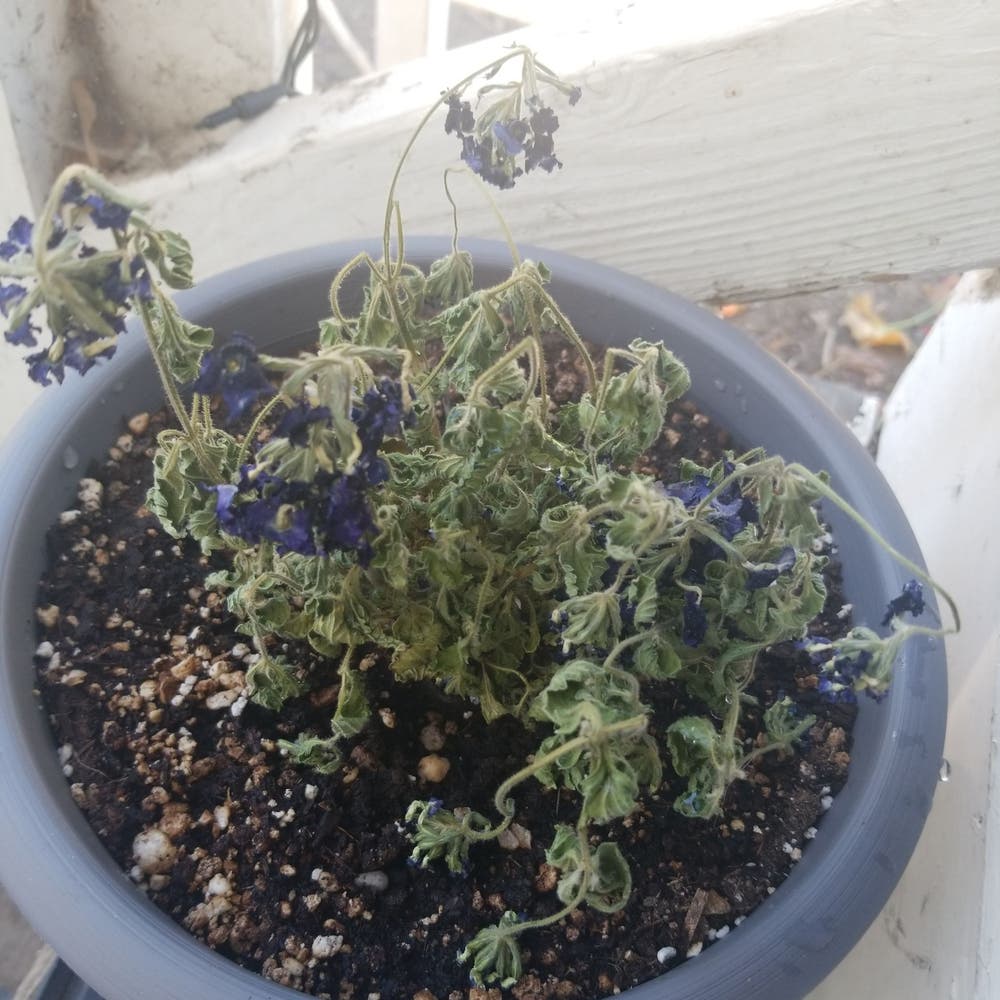
3 Tips to Save Your Verbena 'De La Mina' from Dying 💧
Verbena lilacina 'De La Mina'
By the Greg Editorial Team
Oct 10, 2024•6 min read
This article was created with the help of AI so we can cover more plants for you. May contain errors. See one? Report it here.
- 🌱 Recognize signs of distress like wilting or yellowing leaves for timely care.
- 💧 Establish a consistent watering schedule to prevent overwatering and underwatering issues.
- ☀️ Ensure 6-8 hours of sunlight daily for healthy growth and vibrant blooms.
Signs of an Unhealthy Plant
🩺 Symptoms
Recognizing the signs of an unhealthy Verbena 'De La Mina' is crucial for timely intervention. Look out for wilting or drooping leaves, which often indicate distress.
Discoloration is another red flag. Yellowing leaves or stems can signal nutrient deficiencies or other issues.
📉 Stunted Growth
If your plant shows stunted growth or a lack of flowering, it’s time to investigate. This could mean it's not getting the care it needs to thrive.
Additionally, the presence of fuzzy growth or mushrooms can indicate fungal problems. These symptoms often point to overwatering or poor air circulation.
By staying vigilant and addressing these signs early, you can help your Verbena flourish. Next, let’s explore common problems that might be affecting your plant’s health.
Common Problems
🌊 Incorrect Watering
Overwatering
Overwatering is a common issue that can lead to serious problems for your Verbena 'De La Mina'. Symptoms include yellowing leaves, wilting despite moist soil, and squishy roots.
Causes: This often stems from poor drainage, excessive rainfall, or frequent watering.
Solutions:
- Allow the soil to dry out before rewatering.
- Improve drainage by adding perlite or sand to the soil.
- Use pots with drainage holes to prevent water accumulation.
Underwatering
On the flip side, underwatering can also harm your plant. Look for dry, crispy leaves, wilting, and stunted growth.
Causes: This usually occurs due to infrequent watering, hot weather, or dry conditions.
Solutions:
- Water thoroughly until excess drains out.
- Establish a consistent watering schedule using a plant care app.
- Monitor soil moisture regularly to ensure your plant stays hydrated.
💡 Incorrect Light Conditions
Insufficient Light
If your Verbena is not thriving, it might not be getting enough light. Symptoms include leggy growth, sparse flowering, and pale leaves.
Causes: This often happens when the plant is placed in shaded areas or indoors without sufficient light.
Excessive Light
Conversely, too much light can scorch your plant. Look for scorched leaves, browning edges, and wilting.
Causes: This is typically due to direct, harsh sunlight exposure for prolonged periods.
Solutions:
- Adjust placement to ensure your plant gets 6-8 hours of sunlight daily.
- Use sheer curtains to diffuse harsh sunlight if indoors.
- Rotate plants regularly for even light exposure.
🌡️ Incorrect Temperature
Signs of Temperature Stress
Extreme temperatures can stress your Verbena, leading to wilting, yellowing leaves, and slowed growth.
Causes: Exposure to temperatures that are too hot or too cold can be detrimental.
Ideal Temperature Range
The optimal temperature range for your Verbena is between 65°F to 75°F (18°C to 24°C).
Solutions:
- Move plants indoors during extreme weather conditions.
- Use mulch to help regulate soil temperature outdoors.
- Monitor temperature fluctuations regularly to keep your plant comfortable.
🐛 Pests
Common Pests
Pests like aphids, spider mites, and whiteflies can wreak havoc on your Verbena.
Identification and Treatment
Look for sticky residue, webbing, and visible insects as signs of infestation.
Solutions:
- Use insecticidal soap or neem oil for treatment.
- Introduce beneficial insects like ladybugs to help control pests.
- Regularly inspect plants for early signs of infestation to catch problems before they escalate.
🦠 Diseases
Fungal Issues
Fungal diseases such as powdery mildew, rust, black rot, and blight can severely affect your plant's health.
🌨️ Powdery Mildew
This manifests as white, powdery spots on leaves, often caused by high humidity and poor air circulation.
Treatment: Remove affected leaves, improve airflow, and apply fungicide.
🍂 Rust
Look for orange or rust-colored spots on leaves, which can arise from high humidity and overcrowding.
Treatment: Remove infected leaves and apply rust treatment fungicides.
🌑 Black Rot
Dark, sunken lesions on leaves and stems indicate black rot, typically caused by wet conditions.
Treatment: Improve drainage and apply appropriate fungicides.
🌪️ Blight
Rapid wilting and browning of leaves signal blight, often due to fungal pathogens in overly wet conditions.
Treatment: Remove affected parts and apply fungicides.
🌱 Root Problems
Root Rot
Wilting, yellowing leaves, and mushy roots are signs of root rot, primarily caused by overwatering and poor drainage.
Solutions:
- Remove the plant from the soil and inspect the roots.
- Trim away rotten roots and repot in fresh, well-draining soil.
- Adjust watering habits to prevent recurrence.
Squishy Roots
If you notice soft, mushy roots when squeezed, it indicates root problems.
Treatment: Similar to root rot; improve drainage and adjust watering.
🍃 Leaf Issues
Scorching
Brown, crispy leaf edges indicate scorching, often due to excessive sunlight or heat stress.
Solutions:
- Move the plant to a partially shaded area.
- Use mulch to retain soil moisture.
Yellowing Leaves
Yellowing can result from nutrient deficiencies, overwatering, or pests.
Solutions:
- Test soil for nutrient levels and amend as needed.
- Adjust watering practices to ensure proper hydration.
Fuzzy Growth
White, fuzzy spots on leaves indicate a problem that needs addressing.
Treatment: Remove affected leaves and apply fungicide.
🌿 Growth Problems
Not Growing
If your Verbena shows stagnant growth and lacks new leaves, it may need some adjustments.
Solutions:
- Ensure proper watering and light conditions.
- Fertilize with a balanced fertilizer to encourage growth.
Not Fruiting
Insufficient light or nutrient deficiencies can prevent fruiting.
Remedies: Adjust light exposure and fertilize appropriately.
Leaning and Leggy Growth
If stems are bending towards the light source, it indicates a need for better light distribution.
Solutions:
- Rotate the plant for even light exposure.
- Prune leggy stems to encourage bushier growth.
Etiolated Plants
Stretched growth due to insufficient light can lead to etiolated plants.
Treatment: Move to a brighter location and prune back to promote healthier growth.
By addressing these common problems, you can help your Verbena 'De La Mina' thrive and flourish. Next, let’s explore some preventive measures to keep your plant healthy and vibrant.
Preventive Measures
Best Practices for a Thriving Verbena 'De La Mina' 🌱
To keep your Verbena 'De La Mina' flourishing, consistency is key. Water your plant based on soil moisture levels to avoid both overwatering and underwatering.
Soil Matters 🪴
Using well-draining soil is essential to prevent root rot. Consider mixing in perlite or sand to enhance drainage.
Light and Temperature ☀️
Ensure your plant receives adequate sunlight, ideally 6-8 hours daily. Maintaining an optimal temperature range of 65°F to 75°F (18°C to 24°C) will also support healthy growth.
Regular Inspections 🔍
Make it a habit to inspect your plants weekly for early signs of pests and diseases. Catching issues early can save you a lot of trouble down the line.
Quality Potting Mix 🧑🌾
Invest in a quality potting mix and amend your soil as needed for better drainage. A healthy foundation sets the stage for vibrant growth.
By following these preventive measures, you can enjoy a robust and beautiful Verbena 'De La Mina.' Next, let’s explore how to identify and tackle common problems that may arise.
⚠️ Safety First
This content is for general information and may contain errors, omissions, or outdated details. It is not medical, veterinary advice, or an endorsement of therapeutic claims.
Always consult a qualified healthcare professional before using any plant as food, medicine, or supplement.
Never eat any plant (or feed one to pets) without confirming its identity with at least two trusted sources.
If you suspect poisoning, call Poison Control (800) 222-1222, the Pet Poison Helpline (800) 213-6680, or your local emergency service immediately.
Spotted an error? Please report it here.
Keep your Verbena 'De La Mina' thriving 🌱 by using Greg's tailored watering reminders and pest alerts to ensure it gets the care it needs!