🐠 What Temperature Does My Variegated Goldfish Plant Need?
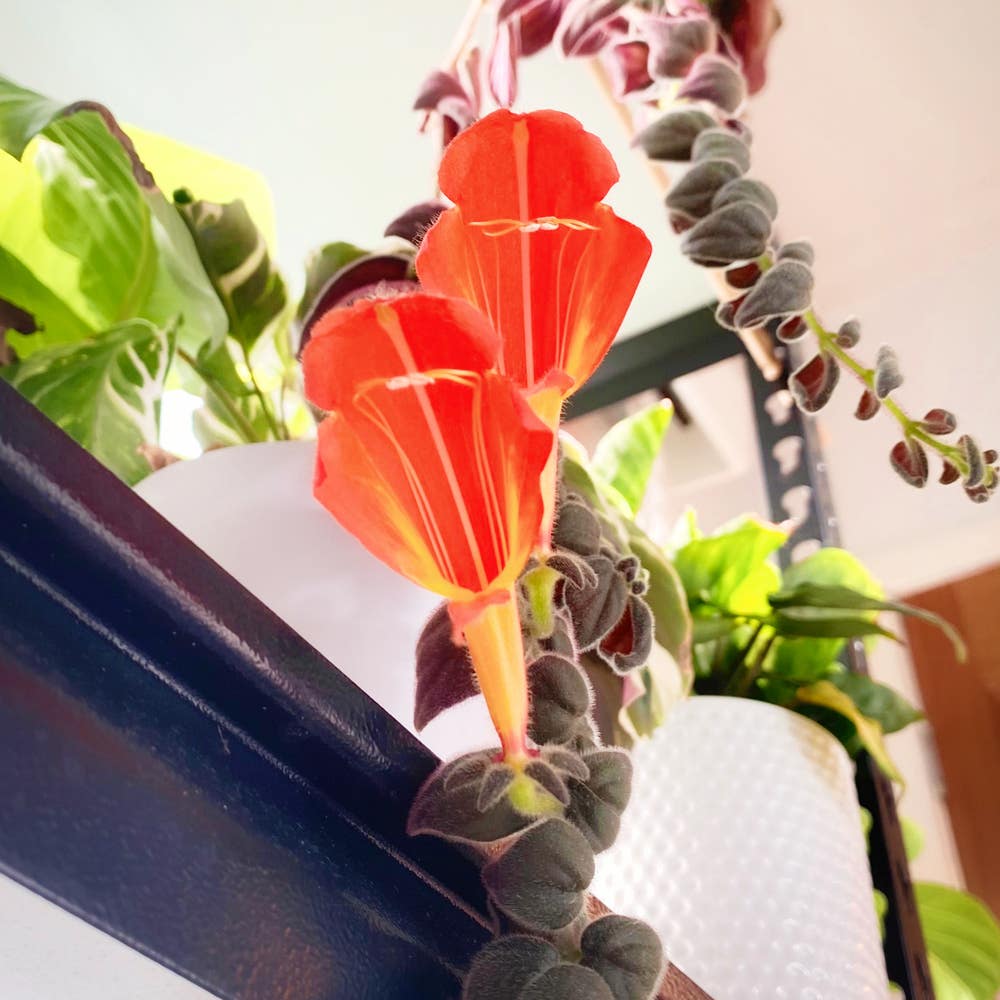
Columnea hirta 'Variegata'
By the Greg Editorial Team
Mar 31, 2024•4 min read
This article was created with the help of AI so we can cover more plants for you. May contain errors. See one? Report it here.
- 65°F to 75°F (18°C to 24°C) is the sweet spot for Variegated Goldfish Plants.
- Stable temperatures prevent leaf drop and stunted growth.
- Mitigate temperature swings by avoiding drafts and direct heat sources.
When Your Plant Feels Chilly: The Ideal Temperature Range
Finding the Goldilocks zone for your Variegated Goldfish Plant isn't just about comfort; it's about survival. Aim for a temperature range between 65°F to 75°F (18°C to 24°C). This is where your plant hits its stride, avoiding the stress that comes with temperatures that are too high or too low.
🍂 Seasonal Shifts
As the seasons change, so should your approach to plant care. In the cooler months, guard against the cold by positioning your plant away from drafty windows. When summer heat intensifies, provide some shade to protect your plant from overheating.
🌡️ Keeping It Consistent
Stable temperatures are non-negotiable for the well-being of your Variegated Goldfish Plant. Fluctuations can lead to a host of problems, from leaf drop to stunted growth.
💡 Tips for Maintaining Consistency
- Monitor the temperature regularly with a thermometer.
- Avoid placing your plant near air conditioning units or heaters.
- Acclimatize your plant gradually when moving it to a new location.
- Consider using plant cozies or coverings to shield from sudden temperature changes, but be mindful of trapping excess heat.
Too Hot to Handle or Too Cold to Hold: Recognizing Temperature Stress
Wilting or curling leaves are your Variegated Goldfish Plant's way of saying it's too hot. Brown spots or edges? That's its version of chattering teeth, a sign it's too cold. These are the visual cues of temperature stress, and they're as subtle as a fire alarm.
Stunted growth and a lack of flowering are less obvious but equally telling signs. They're like your plant putting up a white flag, surrendering to the temperature extremes. If your plant's growth hits a wall, it's time to reassess its environment.
🌡️ Quick Fixes for Temperature Troubles
When your plant's leaves look more fried than your morning bacon, move it away from direct sunlight. Shade is your ally against the scorch of the sun. If it's too cold, think of your plant as a popsicle in need of thawing—relocate it to a warmer spot, away from drafts.
To prevent future temperature-related issues, monitor the thermostat like it's the countdown to a rocket launch. Keep a thermometer close by, and adjust your plant's position with the precision of a chess master. Remember, your plant craves stability like a cat craves a sunny windowsill.
The Sneaky Culprits: Environmental Factors Affecting Temperature
Your Variegated Goldfish Plant is a temperature diva, and your home is its stage. Location is everything. That sunlit windowsill? Might as well be a desert at high noon for your plant. The draft from an open window or an air vent? It's like leaving your plant in a tundra.
🚫 Identifying Risky Spots
Drafts and heat sources are the main villains in this temperature drama. Your cozy reading nook by the heater might be a paradise for you but a nightmare for your plant. Keep it away from air vents, radiators, and full-on window sun.
🛡️ Mitigating Temperature Swings
Thermal curtains and draft stoppers are your allies in the battle against temperature fluctuation. Consider the strategic placement of your plant – perhaps a shelf away from windows and doors. Consistency is key.
🌡️ A Brief Nod to Humidity
Humidity and temperature are the dynamic duo of plant comfort. Too dry, and your plant's leaves might crisp up like autumn leaves; too moist, and you're in a jungle of potential fungal issues.
The Role of Humidity
A hygrometer is your undercover agent here, keeping you informed on the air's moisture level. Aim for that Goldilocks zone of humidity – not too dry, not too damp. A humidifier or pebble tray can be a game-changer, and remember, plants are social creatures that help each other out with transpiration. Keep them together to maintain a stable microclimate.
⚠️ Safety First
This content is for general information and may contain errors, omissions, or outdated details. It is not medical, veterinary advice, or an endorsement of therapeutic claims.
Always consult a qualified healthcare professional before using any plant as food, medicine, or supplement.
Never eat any plant (or feed one to pets) without confirming its identity with at least two trusted sources.
If you suspect poisoning, call Poison Control (800) 222-1222, the Pet Poison Helpline (800) 213-6680, or your local emergency service immediately.
Spotted an error? Please report it here.
Ensure your Variegated Goldfish Plant thrives in the ideal climate 🌡️ with Greg's personalized environment tracking and care reminders, keeping those temperatures just right.