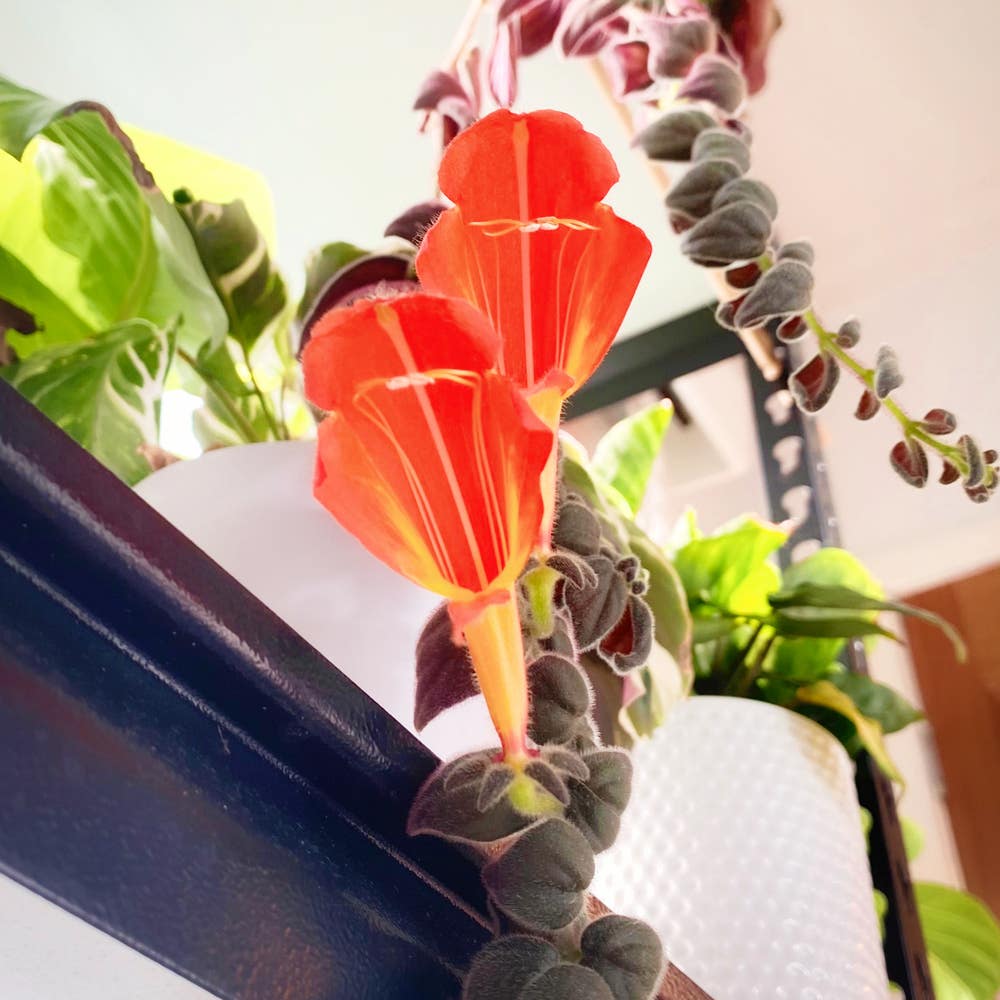
What To Do About Bugs on My Variegated Goldfish Plant? 🐛
Columnea hirta 'Variegata'
By the Greg Editorial Team
Mar 31, 2024•3 min read
This article was created with the help of AI so we can cover more plants for you. May contain errors. See one? Report it here.
- 🕷️ Spider mites and mealybugs: Use soap spray, predatory mites, or alcohol swabs.
- 🌱 Regular check-ups: Inspect with a magnifying glass, maintain cleanliness.
- 💧🐜 Prevent overwatering and pests: Let soil dry, use sticky traps, companion planting.
Spotting the Invaders: Identifying Pests on Your Variegated Goldfish Plant
🕷️ Spider Mites: The Sneaky Sap-Suckers
Tiny webbing under leaves and speckled foliage are the calling cards of spider mites. These minuscule vampires suck the life out of your plant, leaving a trail of destruction. To obliterate them, use a soap spray or introduce predatory mites that find spider mites irresistible.
🛡️ Scale: The Sticky Freeloaders
Scale insects are masters of disguise, masquerading as harmless bumps on stems and leaves. They leave behind a sticky residue, betraying their presence. To evict these pests, scrape them off manually or apply horticultural oil to suffocate them.
🦟 Fungus Gnats: More Than Just Annoying Flies
Fungus gnats signal overwatering, their larvae feasting on plant roots. These pests hinder your plant's ability to absorb nutrients. Break their life cycle by allowing the soil to dry between waterings and using sticky traps to catch adults.
🐛 Mealybugs: The White Cottony Curse
Mealybugs hide in white, cottony clusters, draining your plant's sap. They're like unwanted guests who refuse to leave. Combat them with alcohol-dipped swabs for spot treatment or neem oil for a full-on assault.
The Unseen Threat: Less Common Pests to Watch Out For
🐜 Thrips & Whiteflies: The Sneaky Leaf-Dwellers
Thrips and whiteflies may not headline the pest parade, but ignore them at your peril. These critters are like the stealth operatives of the bug world, often slipping under the radar until it's too late.
Thrips are tiny, but the havoc they wreak is not. Look for silvery trails or speckled leaves, which scream thrip infestation. They're suckers for new growth, so keep a close eye on young leaves and buds.
Whiteflies, on the other hand, are the gossipers of pests. Disturb your plant and watch them scatter like rumors, only to regroup when the coast is clear. Spot them by the fine white powder on their wings or the sticky honeydew they leave behind, which can lead to sooty mold.
🎯 Targeted Tactics to Tackle These Tiny Terrors
When it comes to defense, think like a chess grandmaster—strategy is key. For thrips, shake a leaf over white paper; if you spot tiny black dots that move, it's game on. Insecticidal soap or neem oil are your knights in shining armor here.
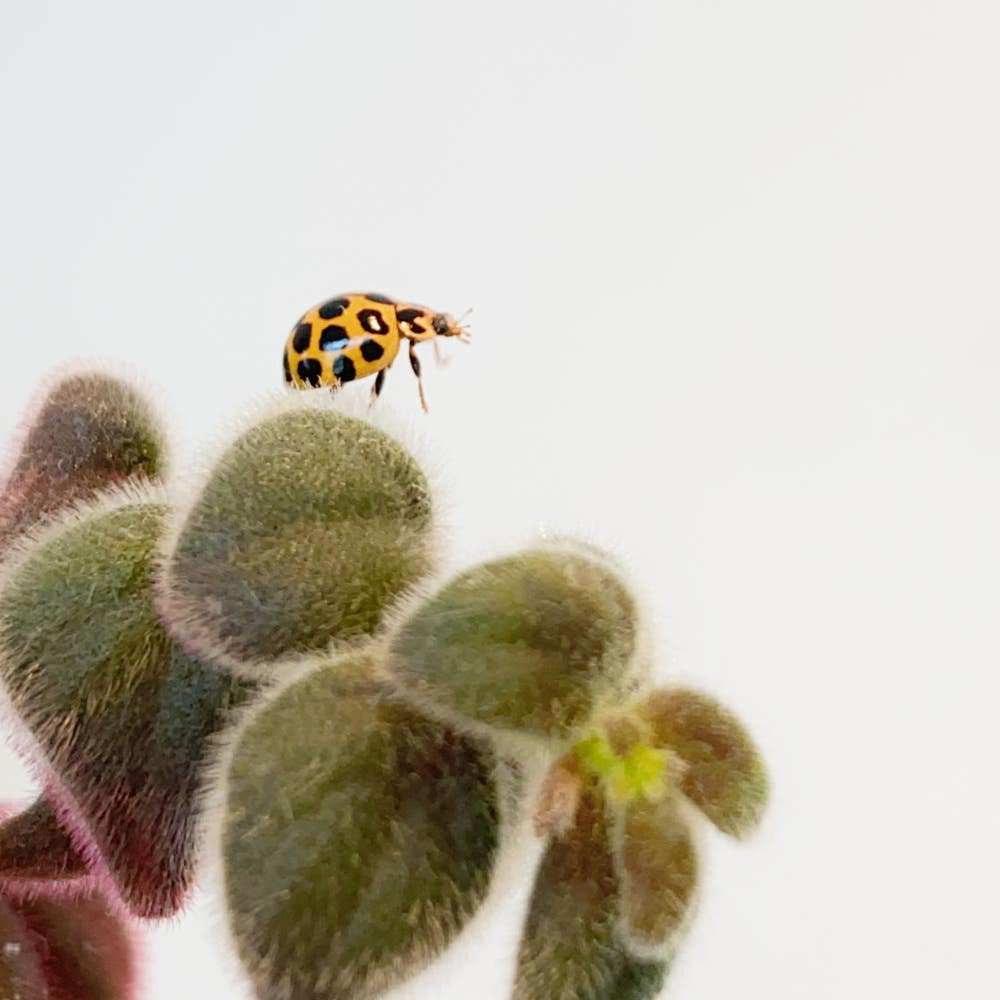
Whiteflies despise a good draft, so consider that when positioning your plant. Introduce ladybugs or lacewings—nature's hitmen—to keep these pests in check. Yellow sticky traps are also effective; think of them as the pest world's equivalent of flypaper.
Remember, the best offense is a good defense. Regular plant check-ups are non-negotiable—think of them as surprise home visits that keep unwanted guests from settling in. And don't forget, always treat the entire plant, especially the underside of leaves where these pests love to throw their secret parties.
Fortifying Your Variegated Goldfish Plant: Prevention Tactics
🕵️ Regular Recon: The Art of Plant Inspection
Regular plant check-ups are critical. Look for early pest signs like chewed leaves or sticky residue. Use a magnifying glass to spot the tiny culprits. Weekly inspections are a must; daily is even better.
🚫 Creating a No-Bug Zone: Environmental Controls
Humidity and cleanliness are your plant's shield. Keep the air moving and the foliage dry. Quarantine new plants for at least two weeks to prevent unwanted guests.
🛡️ The Proactive Approach: Cultural Practices to Deter Pests
Soil wisdom is key—ensure it's well-draining and not overly moist. Companion planting can help; marigolds and chives are not just pretty, they're pest-repellent.
⚠️ Safety First
This content is for general information and may contain errors, omissions, or outdated details. It is not medical, veterinary advice, or an endorsement of therapeutic claims.
Always consult a qualified healthcare professional before using any plant as food, medicine, or supplement.
Never eat any plant (or feed one to pets) without confirming its identity with at least two trusted sources.
If you suspect poisoning, call Poison Control (800) 222-1222, the Pet Poison Helpline (800) 213-6680, or your local emergency service immediately.
Spotted an error? Please report it here.
Keep pests at bay and ensure your variegated goldfish plant thrives with personalized care reminders 🌿 from Greg, tailored to your home's unique environment.