💧 Why Are My Variegated Goldfish Plant Leaves Mushy?
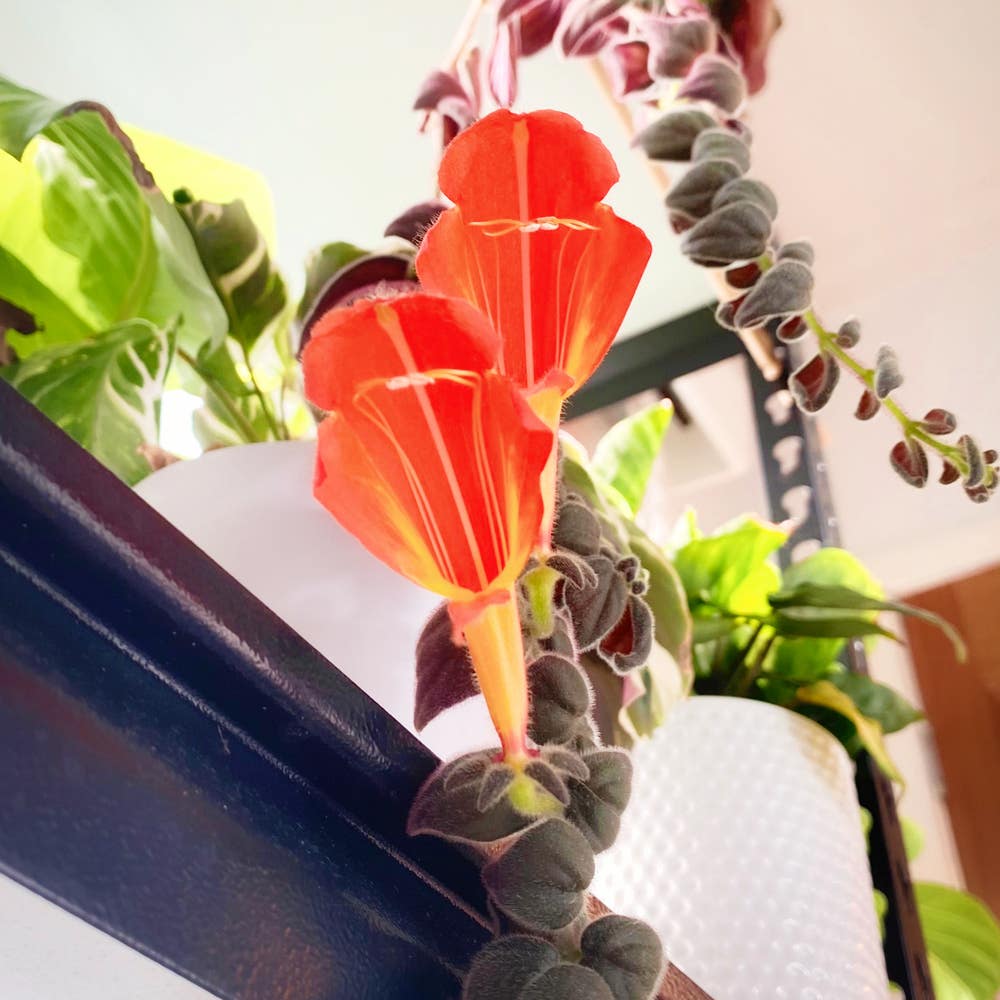
Columnea hirta 'Variegata'
By the Greg Editorial Team
Mar 31, 2024•3 min read
This article was created with the help of AI so we can cover more plants for you. May contain errors. See one? Report it here.
- Overwatering and poor drainage lead to mushy leaves.
- Root rot symptoms: brown/black roots, foul odor.
- Prevent mushiness by adjusting watering and improving drainage.
Spotting Trouble: Signs Your Variegated Goldfish Plant is Unhappy
🚨 Visual Clues of Mushiness
Leaves should pop with color and firmness, not flop like a deflated balloon. Discoloration and a texture akin to a wet sponge are your plant's cry for help.
🚨 When to Worry
Not all leaf changes spell doom; some variation is normal. But when leaves go from glossy magazine cover to soggy newspaper, it's time to act. Transparency and droopiness are your plant's white flags—don't ignore them.
The Usual Suspects: Identifying Causes of Mushiness
💦 Too Much Love: Overwatering Woes
Overwatering is a common misstep in caring for Variegated Goldfish Plants. The excess moisture turns robust leaves into a mushy mess. If the soil feels perpetually damp, you're likely loving your plant to death with water.
🚱 Stuck in the Mud: Poor Drainage Drama
Drainage is crucial for plant health. Without it, water lingers, suffocating roots and leading to mushy leaves. A pot without proper drainage is like a sealed container, trapping water and harming your plant.
🌱 Under the Surface: The Root Rot Connection
Root rot is a silent killer, thriving in wet conditions. It prevents roots from absorbing nutrients, causing leaves to become mushy. If the roots are brown or black and emit a foul odor, root rot is likely the culprit.
Getting to the Root: Diagnosing the Mushiness
🕵️♂️ Soil Sleuthing
First up, soil moisture. It's a telltale sign of whether you're loving your plant to death with water. Grab a moisture meter or go old-school with the finger test—stick it in an inch deep. If it's wet, hold off on the H2O.
👩⚕️ Root Health Check-Up
Next, we're going underground for a root inspection. Gently coax your plant from its pot and look for roots that are firm and white. If they're giving you a mushy handshake, it's bad news. A sniff test can also reveal a lot; a foul odor is your cue that root rot has gatecrashed the party. Remember, brown or black roots are a distress signal, so take immediate action.
Turning Over a New Leaf: Fixing and Preventing Mushy Leaves
💧 Watering Wisdom
Adjusting your watering routine is like recalibrating a finicky thermostat—it's all about finding that sweet spot. Wait for the soil to dry out before giving your plant a drink. Stick a finger in the soil; if it's dry an inch down, it's time to water. No more guesswork or watering on a whim.
🚰 Drainage Dos and Don'ts
Improving soil drainage isn't rocket science, but it's critical. Ensure your pot has drainage holes—they're as essential as having a door in your house. For extra insurance, a layer of pebbles at the bottom acts like a doormat, keeping excess water from getting too cozy with the roots.
🩺 Root Rot Rehab
Treating root rot is like performing an emergency operation on your plant. Gently remove the plant and trim away any dark, mushy roots with sterilized shears. Repot with a fresh, well-draining mix—think perlite or coarse sand—to give your plant's roots the breath of fresh air they desperately need.
⚠️ Safety First
This content is for general information and may contain errors, omissions, or outdated details. It is not medical, veterinary advice, or an endorsement of therapeutic claims.
Always consult a qualified healthcare professional before using any plant as food, medicine, or supplement.
Never eat any plant (or feed one to pets) without confirming its identity with at least two trusted sources.
If you suspect poisoning, call Poison Control (800) 222-1222, the Pet Poison Helpline (800) 213-6680, or your local emergency service immediately.
Spotted an error? Please report it here.
Revive your Variegated Goldfish Plant 🌿 from mushy leaves by using Greg to tailor your watering schedule for plant-perfect moisture levels!