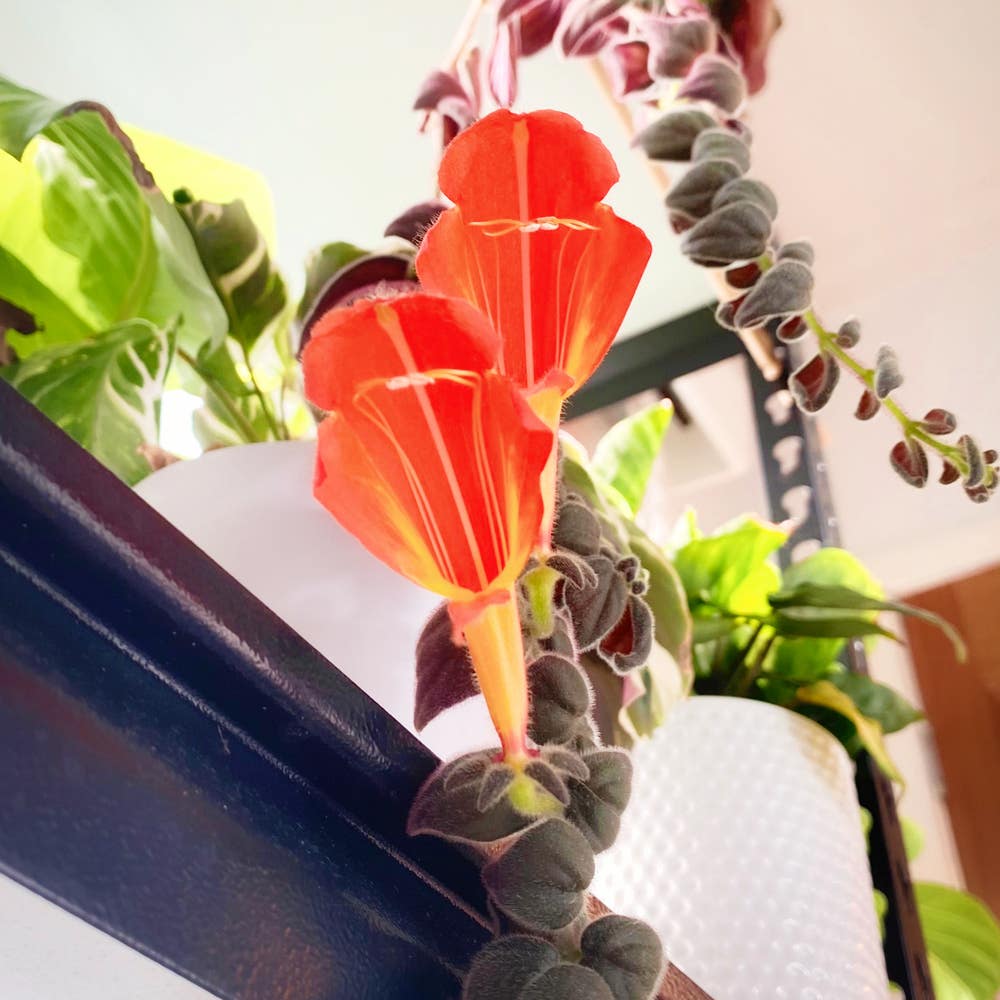
🐠 What Do Variegated Goldfish Plant Flowers Mean?
Columnea hirta 'Variegata'
By the Greg Editorial Team
Mar 31, 2024•5 min read
This article was created with the help of AI so we can cover more plants for you. May contain errors. See one? Report it here.
- Blooms signal health: Thriving plants showcase vibrant flowers.
- Emotional blooms: Flowers carry symbolic meanings of care.
- Perfect environment: Balance light, temperature, and humidity for success.
Decoding the Blooms: What Flowers Signal
🌺 The Plant's Health and Vigor
Flowers are the Variegated Goldfish Plant's victory lap, signaling it's hit its stride. When blooms burst forth, it's a clear sign the plant is more than surviving—it's thriving. Conversely, a lack of flowers or poor-quality blooms can be a distress flare, indicating the plant's environment might need a tweak or two.
Emotional and Symbolic Meanings
Each bloom carries an emotional weight, a silent nod to the care and attention you've poured into your plant. Symbolically, these flowers can represent a personal triumph in horticulture, a testament to patience and nurturing. Beyond personal pride, they add a layer of dynamic beauty to any space, enhancing the ambiance with their vivid presence.
The Recipe for Floral Success
💡 Prime Conditions for Flowering
Crafting the perfect environment for your Variegated Goldfish Plant isn't just about throwing it near a window and hoping for the best. It's a delicate dance of light, temperature, and humidity.
🌞 Light: The Make-or-Break Factor
Bright, indirect light is your plant's best friend. Too much direct sunlight, and you're on a fast track to leaf burn city. Not enough, and your plant's blooming potential is as dim as a candle in the wind. Find that sweet spot where the light is just right.
🌡️ Temperature: The Comfort Zone
Your plant doesn't want to break a sweat, nor does it fancy shivering. Aim for a steady 65°F to 75°F to keep it cozy. Temperature fluctuations are the enemy of consistency in blooming.
💧 Humidity: The Tropical Touch
Think of your plant as enjoying a day at the spa. It loves that humid air, but don't turn your living room into a steam room. A pebble tray or humidifier can help maintain that just-right moisture level in the air.
🍽️ Feeding Your Plant for Flowers
Fertilization is like a backstage pass for your plant, giving it access to all the nutrients it needs to put on a floral show.
🥦 The Right Diet for Blooms
Balance is key. A balanced fertilizer is like a gourmet meal for your plant—too much, and you're overfeeding it, leading to lush leaves but no flowers. Stick to the feeding schedule like it's your favorite TV show—regularly but not obsessively.
🏞️ Soil: The Unsung Hero
Well-draining soil is the foundation of your plant's home. It's the difference between a comfy bed and a swamp. Make sure the soil is just right—not too dense, not too light. It should hold moisture without waterlogging the roots.
By nailing these conditions, you're not just growing a plant; you're curating an environment for a botanical spectacle. Keep your gardening gloves on and your patience at the ready.
Cultivating Blooms: Practical Tips
🌞 Light and Love: The Sun's Role
Sunlight is the lifeblood of the Variegated Goldfish Plant's blooming process. To hit the sweet spot, aim for bright, indirect light. Direct sun is a no-no; it's like giving your plant a sunburn. Rotate your plant regularly to ensure even light distribution, like giving each leaf its moment in the spotlight.
Keeping It Comfy: Temperature and Humidity
Your plant doesn't want to live in a sauna or an icebox. Keep temperatures consistent, around 65-75°F (18-24°C), and avoid placing it near drafts or radiators. Humidity is another key player; think of it as setting the mood. Grouping plants or using a humidifier can create that tropical ambiance the Goldfish Plant craves.
Troubleshooting: When Blooms Are Bashful
💡 Common Flowering Challenges
Lighting missteps can leave your Goldfish Plant's flowers hiding. Too much sun? Leaves bleach. Not enough? Growth stunts. Find that sweet spot for a happy plant.
Watering is a balancing act. Overwatering invites root rot, while underwatering leaves your plant too thirsty to bloom. Aim for moist soil, not a swamp or a desert.
Temperature and humidity need to be just right. Too cold or too dry, and your plant might as well be in a winter wonderland, not a tropical paradise.
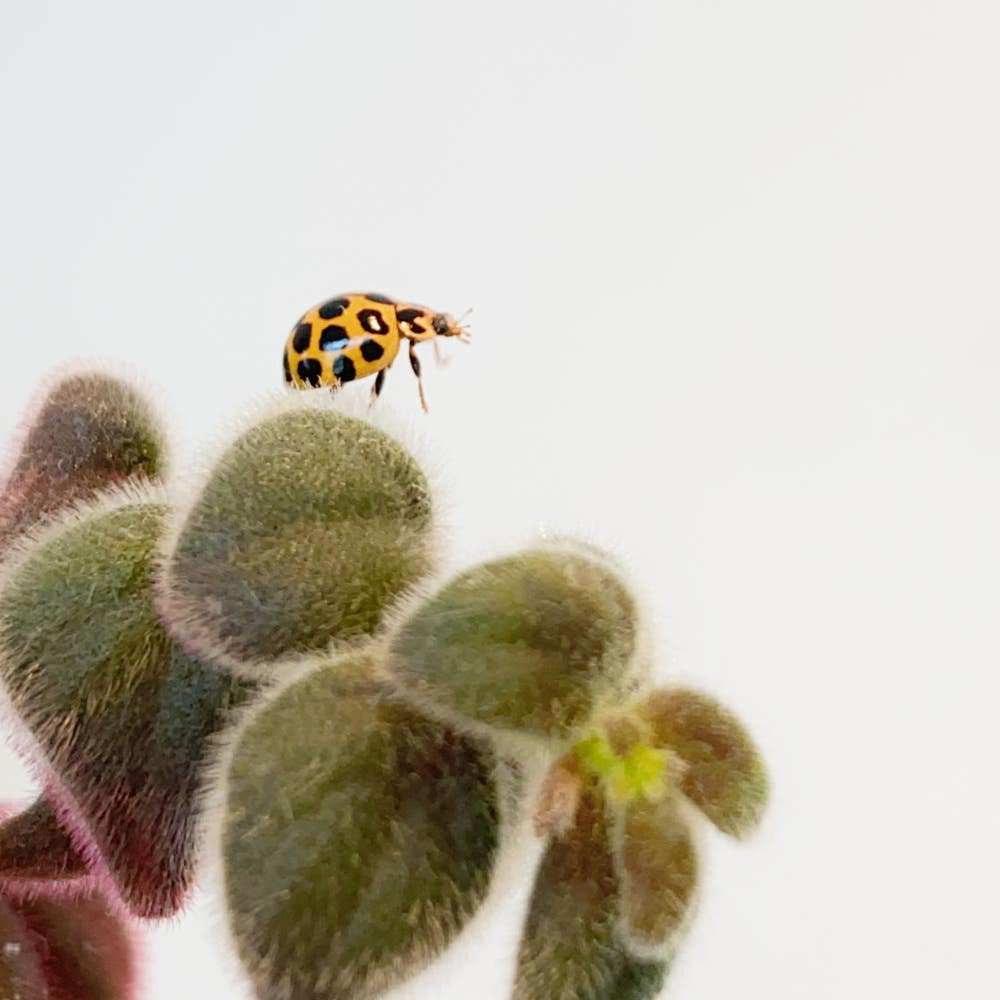
Pests are like that annoying guest who won't leave. Aphids, spider mites, and mealybugs can drain your plant's energy. Regular inspections and prompt pest control are crucial.
Fertilization is a game of precision. Too much and you risk nutrient burn, too little and your plant starves. A balanced diet is key to bloom success.
🏆 Expert Tricks for Stubborn Plants
Patience is not just a virtue; it's a necessity. Plants, like people, need time to mature. Don't rush it; let nature take its course.
Pruning with purpose can encourage flowering. But don't go wild with the shears; strategic snips can make all the difference.
Environmental stress can be a bloom booster. A little under-watering might just be the nudge your plant needs, but don't overdo it.
Grow lights can be a game-changer for those with less-than-ideal lighting conditions. Just remember, it's not a sun substitute, but a helpful boost.
Seek professional help if all else fails. A local horticulturist might spot something you've missed and help turn those bloom blues into a floral fiesta.
⚠️ Safety First
This content is for general information and may contain errors, omissions, or outdated details. It is not medical, veterinary advice, or an endorsement of therapeutic claims.
Always consult a qualified healthcare professional before using any plant as food, medicine, or supplement.
Never eat any plant (or feed one to pets) without confirming its identity with at least two trusted sources.
If you suspect poisoning, call Poison Control (800) 222-1222, the Pet Poison Helpline (800) 213-6680, or your local emergency service immediately.
Spotted an error? Please report it here.
Ensure your Variegated Goldfish Plant's blooms flourish 🌺 with Greg's personalized care reminders for the ideal light, temperature, and humidity!