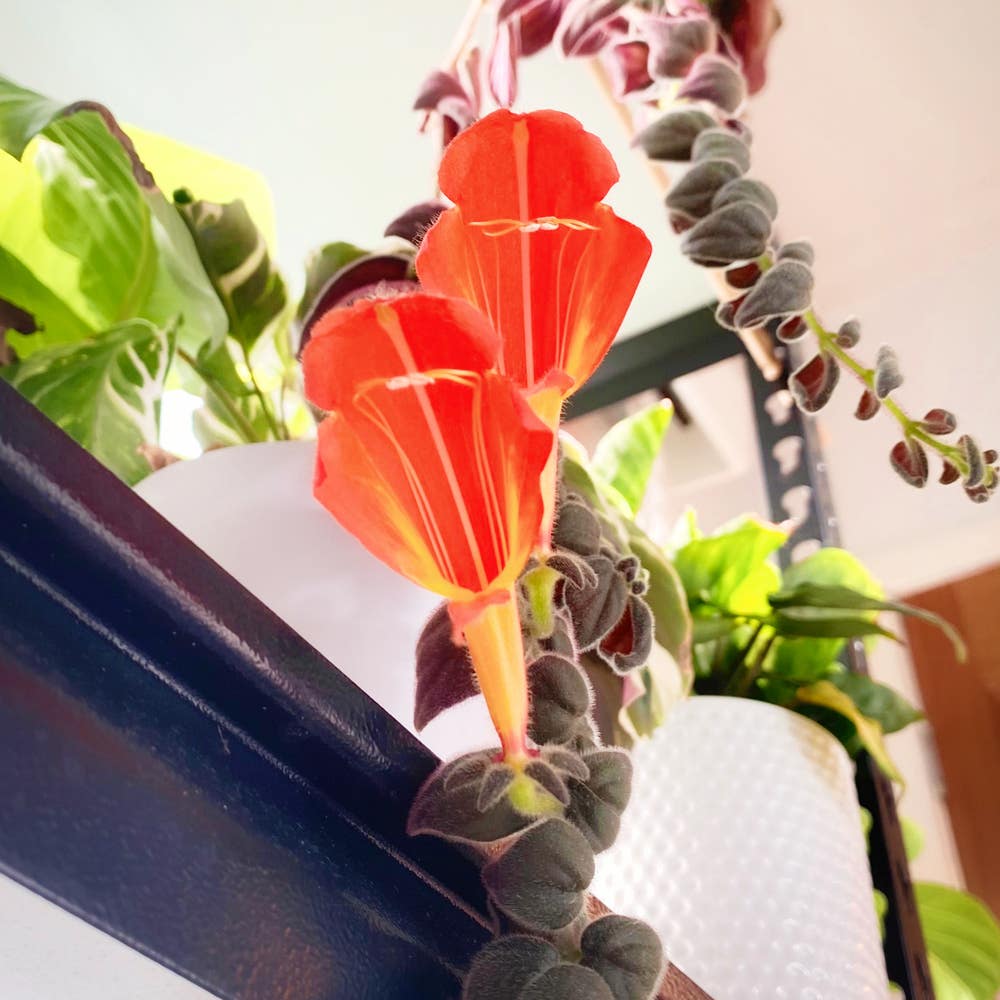
🐠 Why Is My Variegated Goldfish Plant Dropping Leaves?
Columnea hirta 'Variegata'
By the Greg Editorial Team
Mar 31, 2024•6 min read
This article was created with the help of AI so we can cover more plants for you. May contain errors. See one? Report it here.
- Overwatering and underwatering can both cause leaf drop; balance is key.
- 🌡️ Stable temperature and humidity are crucial for Goldfish Plant health.
- Nutrient balance and pest control are essential to prevent leaf loss.
When Too Much Love Leads to Loss: Overwatering Woes
💧 Spotting the Signs of Overwatering
Overwatering can turn your Variegated Goldfish Plant into a soggy mess. Watch for yellowing leaves that feel more like a wet paper towel than a vibrant plant. If the soil is perpetually damp, you're in overwatering territory. A pot that's unexpectedly heavy is a dead giveaway—it's holding more water than a camel on a good day.
🌵 How to Dry Out Your Over-Indulged Plant
Caught in the act of overwatering? Time for an intervention. Cut back on the H2O and let the soil dry out to the touch. If your plant's roots are looking like they've seen better days, prune the damaged parts. Repotting in a well-draining mix could be the fresh start your plant craves.
💦 Watering Rhythms: Finding the Balance
Finding the right watering rhythm is like tuning a guitar—too tight or too loose, and it just won't sound right. Let the soil's moisture be your guide; if it's dry an inch down, it's time to water. Remember, your plant's thirst varies with the seasons—less in the cool, more in the heat. Keep your watering can in check, and your Goldfish Plant will thank you with a leafy embrace.
Thirsty Leaves Falling Off: The Underwatering Paradox
🏜️ Recognizing an Underwatered Goldfish Plant
Crispy leaves and soil that crumbles at a touch are your Goldfish Plant crying out for a drink. If the foliage looks deflated, like it's lost its will to stand tall, you're dealing with underwatering. A pot that feels suspiciously light is another telltale sign; it's as if your plant's been on a liquid diet and it's time to break the fast.
💧 Quenching the Thirst Without Drowning the Roots
When your plant's leaves droop like they've given up on life, it's time for a hydration intervention. But hold your horses—don't flood the pot in your eagerness to help. Instead, offer water slowly, allowing it to soak in and reach the roots without causing a mudslide. Think of it as nursing your plant back to health, not throwing it a pool party.
🗓 Setting Up a Watering Schedule That Works
Forget the calendar; your plant doesn't care if it's Monday or Friday. Check the top inch of soil; if it feels like a dry desert, it's time to water. A moisture meter can be your secret weapon, or go old-school with the finger test. Just remember, consistency is key—watering your plant should be as routine as feeding your cat, minus the meowing.
Climate Swings and Leaf Drops: Temperature and Humidity Effects
🌡️ How Variegated Goldfish Plants React to Environmental Changes
Variegated Goldfish Plants are sensitive to their surroundings, especially changes in temperature and humidity. Consistency is key; they thrive in stable environments. When temperatures fluctuate wildly, the plants can respond with leaf drop, a signal they're not in their happy place. Humidity swings have a similar effect, with too much causing leaf rot and too little leaving leaves crispy.
🏡 Creating a Stable Home Environment
To keep your Goldfish Plant from throwing a fit, aim for a steady temperature between 60-80°F (15-27°C). Avoid placing it near drafty windows or next to radiators, as these can lead to those dreaded temperature swings. For humidity, think Goldilocks: not too wet, not too dry. Grouping plants can help maintain a consistent humidity level, or you can use a pebble tray or humidifier to dial it in just right.
🛠️ Tools and Tricks for Monitoring Your Plant's Climate
Don't rely on guesswork; use a thermometer and hygrometer to keep tabs on your plant's climate. These tools are your secret weapons in maintaining the ideal conditions for your Goldfish Plant. Remember, a quick response to any signs of distress can prevent a full-blown leaf-dropping crisis. Keep an eye out for drooping or discolored leaves, as these are your plant's way of saying, "Help!"
Starved of Nutrients: A Silent Cause of Leaf Loss
🕵️ Identifying Nutrient Deficiency Symptoms
Yellow leaves aren't just a fashion statement; they're a cry for help. Your Variegated Goldfish Plant could be screaming for nitrogen. Stunted growth? It's probably not just being lazy; it might lack magnesium. And if the leaves are more misshapen than a toddler's playdough creation, calcium is likely the missing piece. Visual cues are your best bet for playing plant detective, but if you're stumped, a soil test is the equivalent of calling in the pros.
🌱 Feeding Your Plant: Fertilizers and Supplements
Plants are like teenagers; they need a balanced diet. But just like with junk food, overdoing the fertilizer can cause more harm than good. A balanced fertilizer is your gold ticket. It's like a multivitamin for your plant, ensuring it gets all the nutrients without going overboard. Remember, moderation is key, and your plant will let you know if it's not getting the gourmet treatment it deserves.
🌱 The Role of Soil in Nutrient Uptake
Soil isn't just dirt; it's the plant's dining table. Over time, it can become as nutrient-depleted as a fast-food salad. Refreshing the potting mix or adding compost is like upgrading from plastic cutlery to silverware. It can make a world of difference in how your plant absorbs those much-needed nutrients. Keep an eye on the soil pH too; if it's off, your plant might as well be eating with its hands.
Tiny Pests, Big Problems: Tackling Infestations
🐜 Common Culprits: Identifying Pests in Your Goldfish Plant
Your Variegated Goldfish Plant might be under siege by tiny invaders. Spider mites show up as minuscule dots and webbing, while aphids appear as small, green clusters, especially on new growth. Whiteflies are tiny, white-winged insects that flutter up when disturbed. Scale insects look like small bumps on stems and leaves, and mealybugs resemble white, cottony masses. These pests suck the life out of your plant, literally.
🛡️ Natural and Chemical Defenses Against Pests
When you spot these freeloaders, it's time to fight back. Start with horticultural soap or neem oil; they're the bouncers of the plant world, showing pests the door without trashing the place. If the infestation is more like a full-blown invasion, you might need to resort to chemical treatments. Check what's available and legal in your area, and use them with precision—think sniper, not shotgun.
💡 Preventive Measures to Keep Pests at Bay
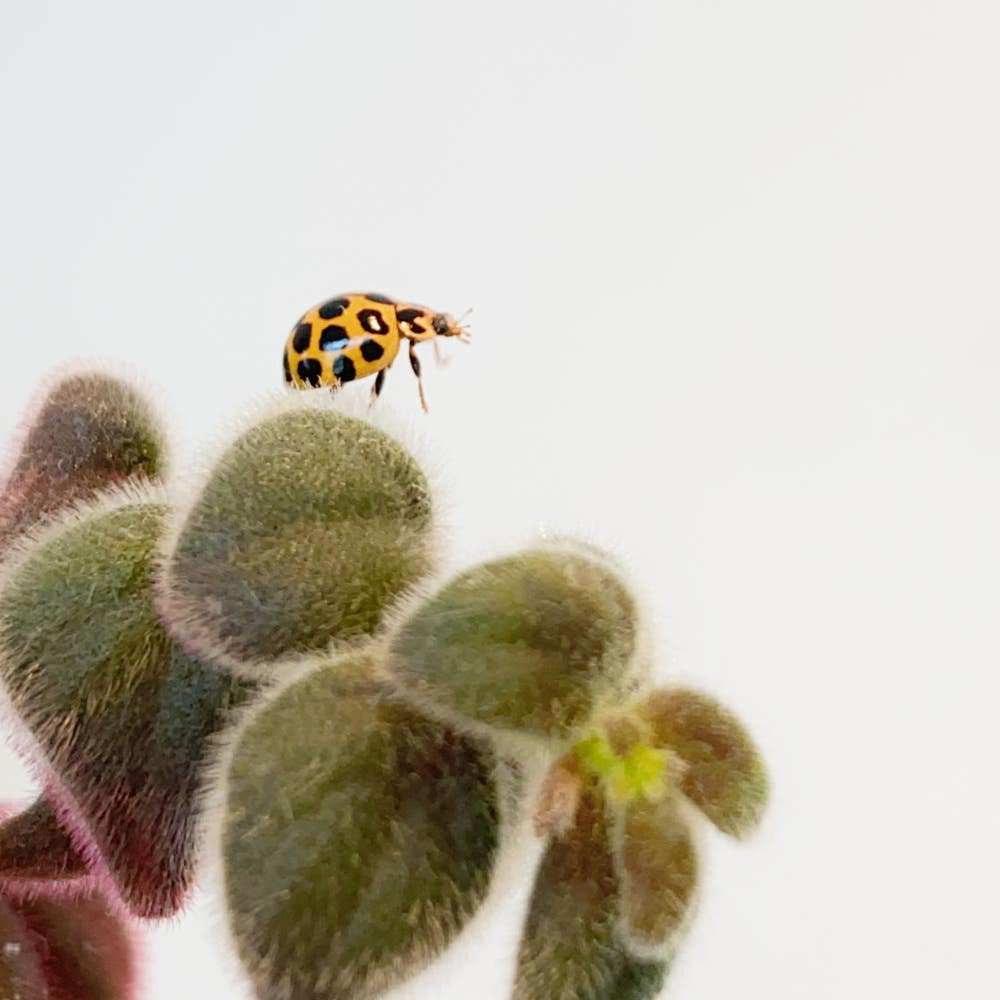
Prevention beats cure every time. Inspect your plant regularly—make it part of your routine, like brushing your teeth. Keep your plant's leaves clean; pests love a dusty, dirty hangout. Introducing natural predators such as ladybugs can be like hiring a security guard for your plant. And remember, quarantine new plants as if they're carrying the plant version of the common cold.
⚠️ Safety First
This content is for general information and may contain errors, omissions, or outdated details. It is not medical, veterinary advice, or an endorsement of therapeutic claims.
Always consult a qualified healthcare professional before using any plant as food, medicine, or supplement.
Never eat any plant (or feed one to pets) without confirming its identity with at least two trusted sources.
If you suspect poisoning, call Poison Control (800) 222-1222, the Pet Poison Helpline (800) 213-6680, or your local emergency service immediately.
Spotted an error? Please report it here.
Avoid the leaf-drop blues and ensure your Goldfish Plant thrives with Greg's tailored reminders and environment tracking 🍂, perfect for balancing moisture, temperature, and nutrients.