Common Variegated Goldfish Plant Problems
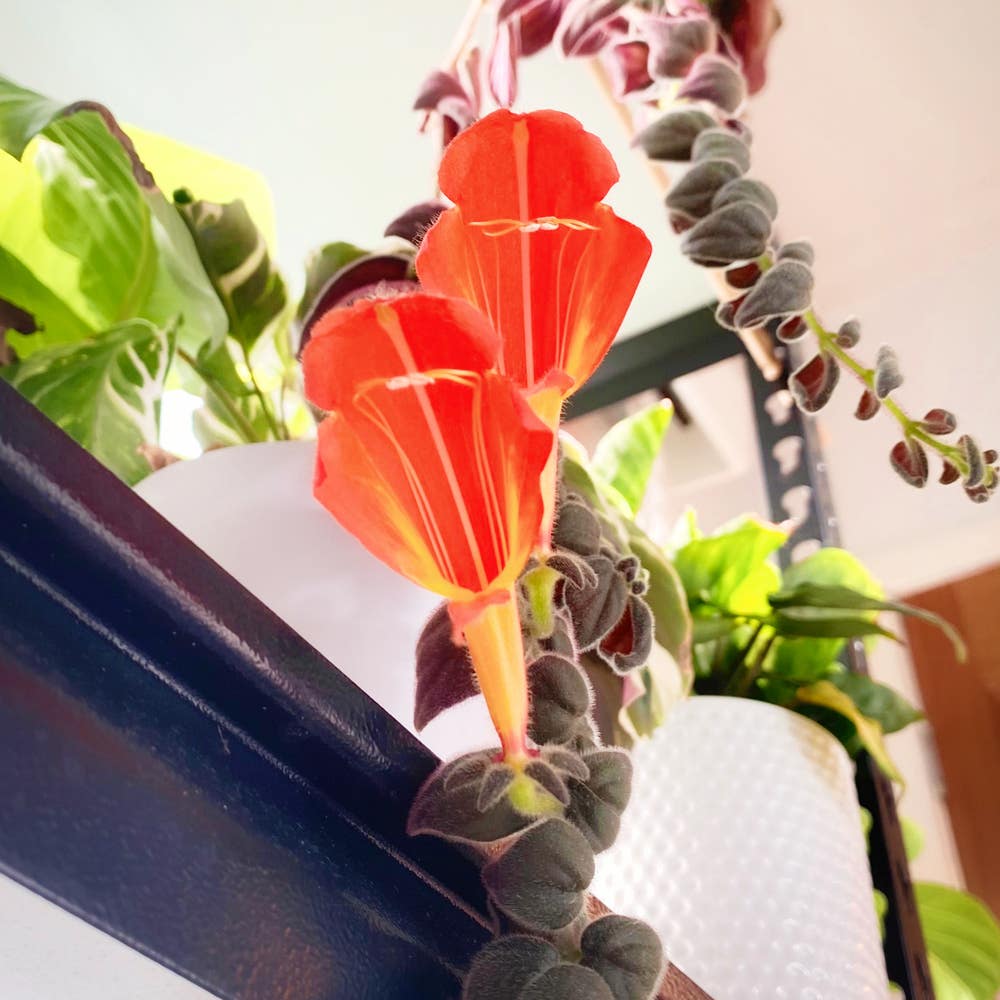
Columnea hirta 'Variegata'
By the Greg Editorial Team
Mar 31, 2024•4 min read
This article was created with the help of AI so we can cover more plants for you. May contain errors. See one? Report it here.
- 🌧️ Over-watering leads to yellow leaves, under-watering to droopy ones. Adjust watering habits.
- ☀️🌡️ Bright, indirect light and stable temps keep your Goldfish Plant healthy.
- 🐛 Combat pests with neem oil and maintain hygiene to prevent infestations.
Water Woes: Too Much or Too Little
💦 Over-watering Hazards
Yellowing leaves and stems with the consistency of overcooked pasta are your Goldfish Plant's way of saying, "Ease up on the H2O, buddy." When the soil feels more like a bog than a pot, you've crossed the line.
How to Dry Out and Recover
- Stop watering immediately. Let the soil air out until it's as dry as a stand-up comedian's humor.
- If root rot has turned the roots into mush, it's time for some plant surgery. Snip away the damaged parts with a clean, sharp pair of scissors.
- Reassess your watering habits. The goal is to let the soil dry out slightly between waterings, not to mimic the Sahara or the Amazon.
🏜️ Under-watering Symptoms
When your plant's leaves droop like they've just watched a tear-jerker, it's a sign of thirst. Soil that's drier than a bone is a clear cry for water.
Quenching Your Plant's Thirst Effectively
Give your parched plant a deep drink, allowing the water to reach the roots where it's needed most. But don't turn it into a flood; consistency is key. Think of watering like your favorite weekly TV show – regular and eagerly anticipated.
Light and Temperature Tango
🌞 Getting the Light Right
Variegated Goldfish Plants are sun worshippers with a preference for indirect light. If your plant's leaves are fading or it's starting to look like a lanky teenager, it's a sign to adjust its sun exposure.
Bright, indirect sunlight is the mantra here. East or north-facing windows usually hit the mark, but if your plant still throws shade, consider a grow light to supplement. Just remember, it's a light snack, not a feast.
🌡️ Temperature Troubles
When leaves start to curl or sport brown edges, it's your plant's way of saying, "I'm not comfortable." The Goldfish Plant dislikes the cold as much as a tropical fish out of water, so keep the thermostat above 50°F.
Avoid placing your plant near drafts or heat sources; it's not a fan of temperature roller coasters. Consistency is key—think of your plant as a guest that prefers a stable, cozy environment.
Pests: Uninvited Guests
🐜 Common Culprits
Spider mites, aphids, and mealybugs are the main offenders when it comes to pest infestations in Variegated Goldfish Plants. Spider mites are tiny and can be red, black, or brown, creating fine webs on your plant. Aphids are soft-bodied insects that excrete a sticky substance known as honeydew. Mealybugs appear as cottony masses, often hiding in nooks and crannies of your plant.
🛡️ Natural and Chemical Defenses
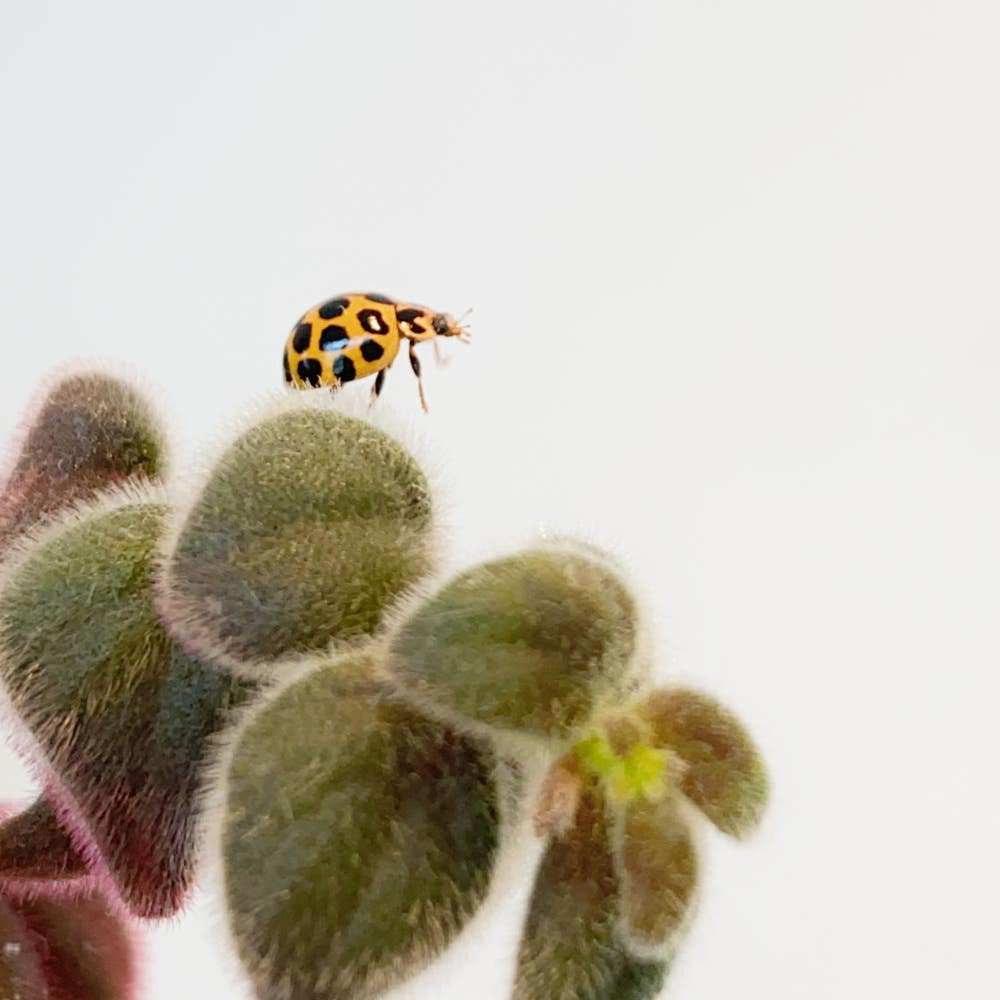
To combat these pests, you can use insecticidal soap or neem oil, applying with precision to affected areas. For a more natural approach, introduce predators like ladybugs to your indoor ecosystem. Regularly wipe down leaves with a solution of soapy water or diluted alcohol to keep pests from setting up camp.
🚫 Preventative Measures
Prevention is key. Quarantine new plants to avoid introducing pests to your collection. Maintain plant hygiene by cleaning leaves and inspecting your plant frequently, especially under leaves and along stems. Ensure your plant is not stressed by environmental factors, as pests are attracted to weakened plants.
Soil and Root Health: The Foundation of Life
🍄 Mold and Fungus
Spotting fungal foes like white fuzz or discolored leaves on your Variegated Goldfish Plant? It's a clear sign that your plant's personal space is too damp. Fungicide is your go-to ally here. Apply it according to the label's instructions, after improving airflow and cutting back on water.
🚑 Root Rot: The Silent Killer
Root rot is the ninja of plant problems—it attacks stealthily. If you find dark, mushy roots, it's time for some serious plant surgery. Remove the affected parts with sterilized tools and repot into fresh, well-draining soil. Vigilance post-op is crucial; keep an eye out for any signs of a relapse.
⚠️ Safety First
This content is for general information and may contain errors, omissions, or outdated details. It is not medical, veterinary advice, or an endorsement of therapeutic claims.
Always consult a qualified healthcare professional before using any plant as food, medicine, or supplement.
Never eat any plant (or feed one to pets) without confirming its identity with at least two trusted sources.
If you suspect poisoning, call Poison Control (800) 222-1222, the Pet Poison Helpline (800) 213-6680, or your local emergency service immediately.
Spotted an error? Please report it here.
Keep your Variegated Goldfish Plant flourishing 🌿 with Greg's custom care reminders, ensuring just the right amount of water, light, and pest control from the tips in this article.