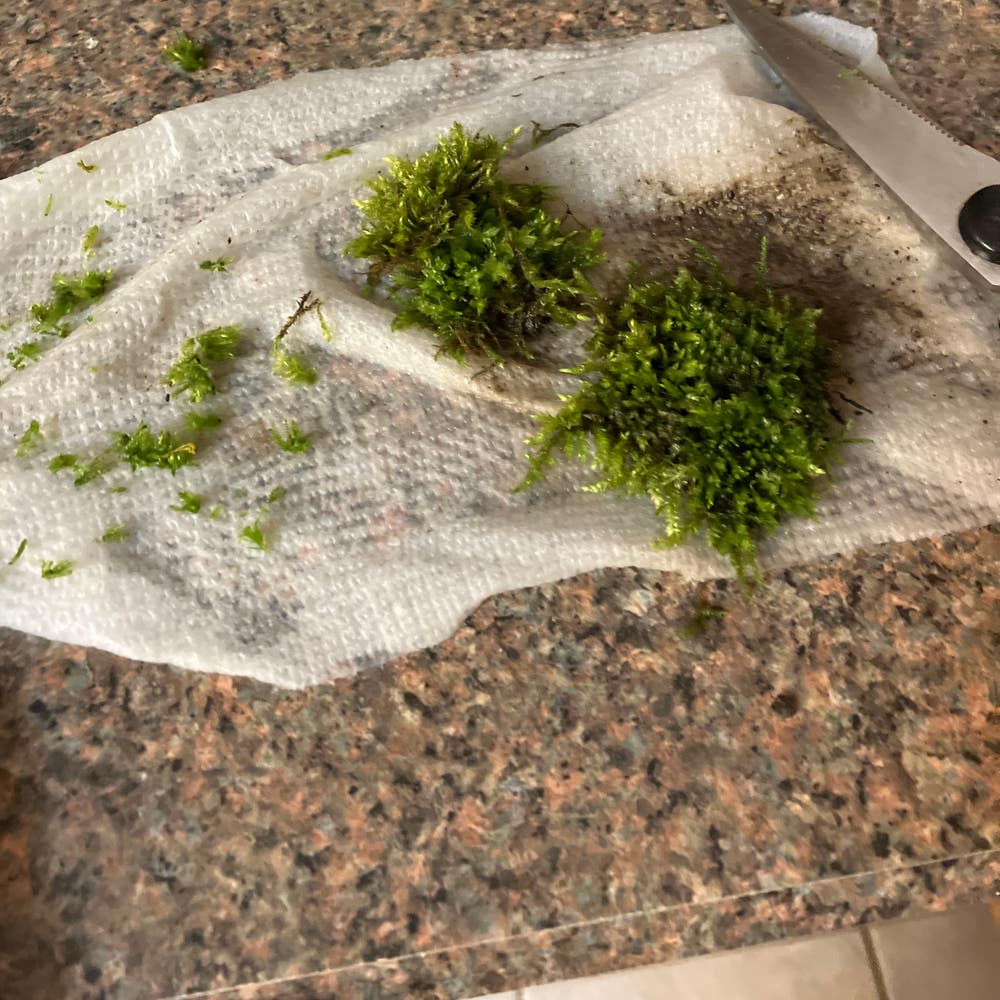
How Do I Fix Silvergreen Bryum Moss Root Rot?
Bryum argenteum
By the Greg Editorial Team
Jun 18, 2024•3 min read
This article was created with the help of AI so we can cover more plants for you. May contain errors. See one? Report it here.
Save your moss from root rot's grip 🌿 and shield it with future-proof care strategies!
- Discoloration and mushiness indicate root rot in moss.
- Remove rotted parts, apply fungicide, and let roots dry before repotting.
- Prevent future rot with proper watering, drainage, and humidity balance.
Spotting the Trouble: Signs of Root Rot in Your Moss
🚩 Visual Red Flags
Silvergreen Bryum Moss should flaunt a vibrant green, not a dismal brown. If you spot discolored patches or entire sections turning a sickly shade, it's a visual distress signal. Mushiness when prodded is another telltale sign; healthy moss should feel springy, not like a wet sponge.
👃 The Smell Test
Trust your nose—if there's a foul odor emanating from your moss, it's not just bad luck. That stench is the smell of decay, a clear indicator that root rot may be lurking below the surface.
🌱 Plant Behavior Clues
Keep an eye out for unusual growth patterns or persistent dampness. These behavioral quirks can be subtle hints that your moss is struggling with more than just a bad mood; it could be a case of root rot.

The Rescue Operation: Treating Root Rot
🏥 Surgical Precision
First, unpot your Silvergreen Bryum Moss and gently shake off the soil to expose the roots. Healthy roots look firm and white, while rot spells trouble with a mushy, brown appearance. Sterilize your scissors or shears—this isn't a time for cross-contamination. Snip away the rotted parts with the precision of a bonsai artist, leaving only healthy tissue behind.
💊 Antifungal Allies
Once the bad roots are history, it's time for the antifungal cavalry. Treat the remaining roots with a fungicide—think of it as an invisible shield against microscopic marauders. Let the roots dry out completely before repotting; this is crucial for the wounds to callous and prevent a sequel to this fungal fiasco.
🚑 Aftercare
Post-surgery, your moss's care routine needs a tweak. Water sparingly and ensure the potting mix is well-draining—your moss isn't aspiring to be aquatic. Keep an eye on the light; indirect is the way to go. Remember, you're not just growing a plant; you're nurturing resilience.

Fortifying Your Moss: Preventing Future Root Rot
💧 Watering Wisdom
Frequency and quantity of watering are pivotal in keeping root rot at bay. The top inch of the substrate should be your guide; if it feels dry, it's time to water. Overwatering is a common misstep, akin to overfeeding. It's crucial to love your moss without drowning it in affection.
🌬️ Breathability and Circulation
Moss requires a breathable environment to thrive. Ensure proper drainage in the pot to prevent water from pooling. Mix in materials like perlite or sand to promote soil aeration. This will help mimic the natural habitats where moss excels, avoiding the suffocation of roots and the ensuing rot.
💦 Humidity Harmony
Balancing humidity levels is a delicate dance. While moss enjoys moisture, it doesn't fare well in constant wetness. Aim for a consistent moisture level without tipping into the extremes. If your indoor air is dry, consider a shallow tray of water beneath the pot to increase humidity, but don't let the moss sit in water.
⚠️ Safety First
This content is for general information and may contain errors, omissions, or outdated details. It is not medical, veterinary advice, or an endorsement of therapeutic claims.
Always consult a qualified healthcare professional before using any plant as food, medicine, or supplement.
Never eat any plant (or feed one to pets) without confirming its identity with at least two trusted sources.
If you suspect poisoning, call Poison Control (800) 222-1222, the Pet Poison Helpline (800) 213-6680, or your local emergency service immediately.
Spotted an error? Please report it here.
Ensure your silvergreen bryum moss thrives post-root rot 🌿 with Greg's custom care reminders and watering alerts tailored to its recovery needs.