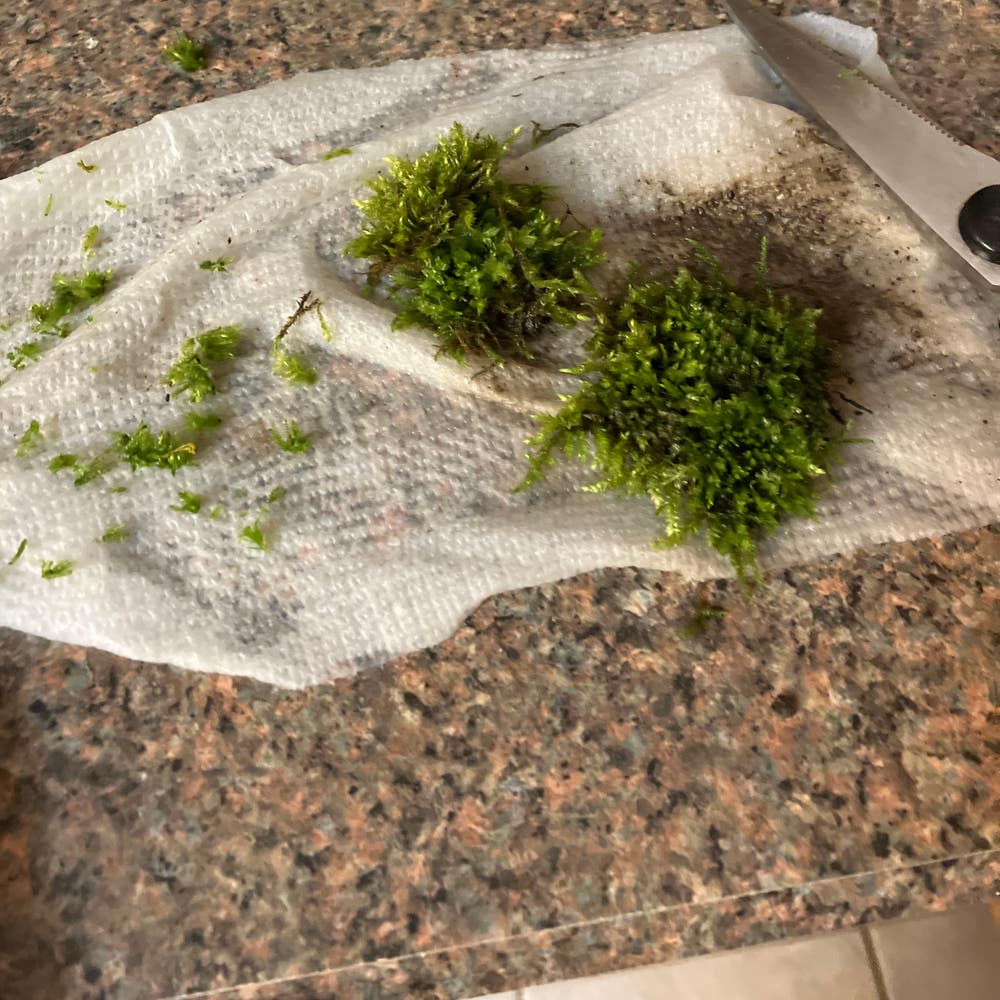
Common Silvergreen Bryum Moss Problems
Bryum argenteum
By the Greg Editorial Team
Jun 19, 2024•3 min read
This article was created with the help of AI so we can cover more plants for you. May contain errors. See one? Report it here.
Nurture a vibrant Silvergreen Bryum Moss 🌿 by dodging common care mistakes with our expert guide!
- 🚱 Over-watering causes soggy moss; let soil dry out to rescue.
- 🌤️ Bright, indirect light is ideal to prevent leaf burn.
- 🌱 Watch for pests and root rot, use eco-friendly controls and trim affected roots.
When Water Works Against You
🌊 Over-watering Woes
Soggy texture and a foul smell are tell-tale signs that your Silvergreen Bryum Moss is drowning in excess water. To rescue your over-watered moss, cease watering immediately and let the soil dry out. If the situation is dire, consider repotting with fresh, well-draining soil.
💧 The Thirsty Moss
When your moss's tips turn crispy and brown, it's sending an SOS for hydration. To quench its thirst, perform the finger test: if the soil is dry a few centimeters down, it's time to water. Remember, your moss's watering needs will fluctuate with the seasons; less is more during the cooler months.

Light and Temperature: The Balancing Act
🌞 Too Much Sun, Too Little Shade
Burnt and faded leaves on your Silvergreen Bryum Moss are the plant's version of a sunburn. It's a clear signal that your moss has had too much direct sunlight. To avoid this, the moss should be placed in an area where it can receive bright, indirect light. This can be achieved by positioning it near a window with sheer curtains or in a spot that gets sunlight for only part of the day.
🌡️ Weathering the Temperature Swings
If your moss is showing color changes or has stunted growth, it might be reacting to temperature stress. Silvergreen Bryum Moss prefers a stable environment, ideally between 65°F and 80°F. To keep the temperature consistent, avoid placing the moss near drafty areas or in direct line of heating and cooling vents. Creating a microclimate by grouping plants together or using a pebble tray with water can also help stabilize the surrounding temperature.

Fending Off Fungal Foes and Pests
🍄 Mold and Fungus Among Us
Mold and fungus can turn your Silvergreen Bryum Moss from a lush green haven into a sad, spotty mess. Discoloration and a powdery or fuzzy residue are telltale signs of unwanted fungal guests.
To combat these intruders, increase airflow around your moss. A fan can work wonders in keeping the air moving. If the fungus is stubborn, consider a fungicide—but use it as a last resort. And remember, cleanliness is key; keep the area around your moss free of debris to prevent fungal parties.
🐜 Pests: The Unwanted Guests
Pests are like that annoying relative who shows up unannounced and overstays their welcome. Spider mites, aphids, and mealybugs are the usual suspects when it comes to Silvergreen Bryum Moss.
To show these pests the door, insecticidal soap or neem oil can be your bouncers. For a greener approach, invite beneficial insects like lady beetles to the party—they're not there for the cake, they're there to chow down on pests. And don't forget, prevention beats cure—keep an eye out for early signs of infestation to nip pest problems in the bud.
Root Rot: The Silent Killer
🍄 Spotting the Rot
Root rot is the silent saboteur of Silvergreen Bryum Moss, often going unnoticed until significant damage has occurred. Mushy roots, a stagnant smell, and a plant that looks more lethargic than a teenager on Monday morning are classic symptoms.
Saving the Roots
To rescue your moss from root rot, think of yourself as a plant surgeon. Gently remove the moss from its pot and shake off the soil. Healthy roots should be firm and white, not resembling overcooked noodles. Trim away the affected roots with sterilized scissors. Repot the moss in fresh, well-draining soil and ensure the pot has adequate drainage to prevent future waterlogging. Remember, watering should be like a good martini—just enough, not drenched.
⚠️ Safety First
This content is for general information and may contain errors, omissions, or outdated details. It is not medical, veterinary advice, or an endorsement of therapeutic claims.
Always consult a qualified healthcare professional before using any plant as food, medicine, or supplement.
Never eat any plant (or feed one to pets) without confirming its identity with at least two trusted sources.
If you suspect poisoning, call Poison Control (800) 222-1222, the Pet Poison Helpline (800) 213-6680, or your local emergency service immediately.
Spotted an error? Please report it here.
Ensure your Silvergreen Bryum Moss is never over-watered 💧 and stays pest-free with Greg's custom watering schedule and health check alerts.