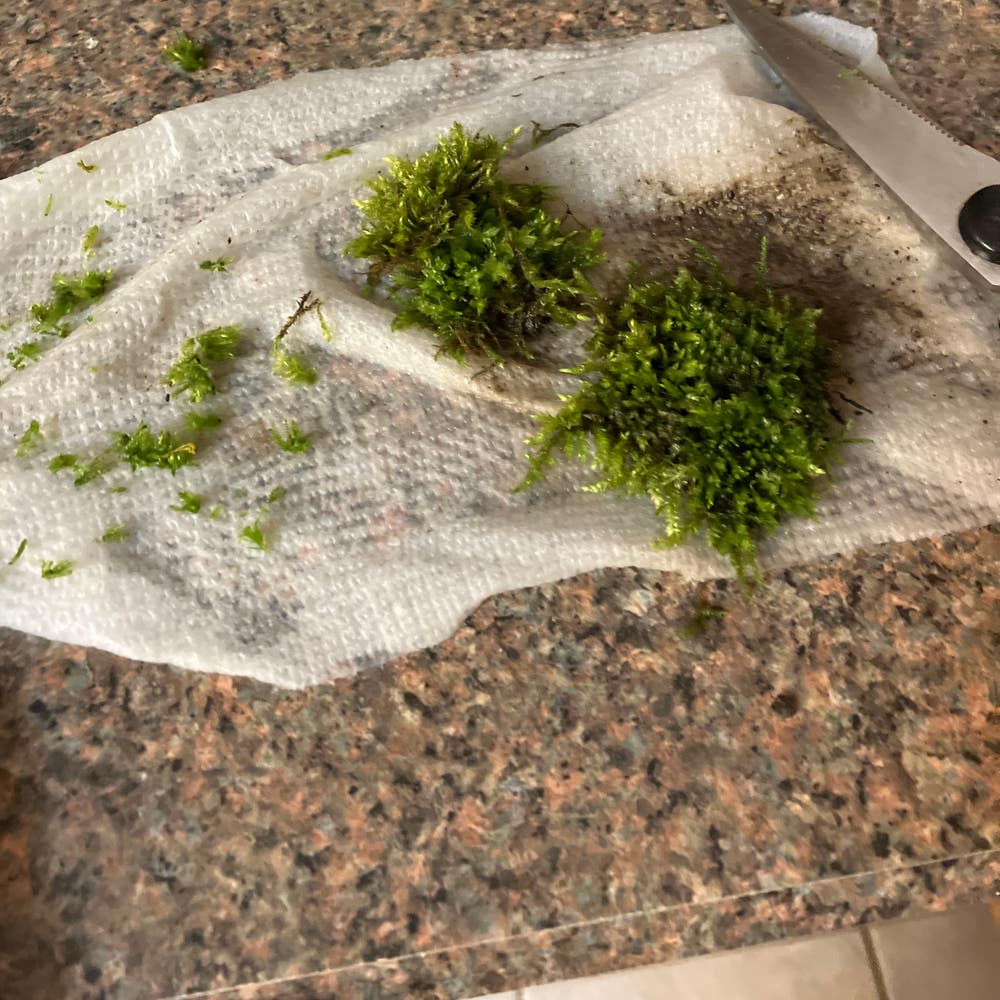
Propagating My Silvergreen Bryum Moss: Step-by-Step Guide
Bryum argenteum
By the Greg Editorial Team
Jun 18, 2024•3 min read
This article was created with the help of AI so we can cover more plants for you. May contain errors. See one? Report it here.
Propagate a verdant moss oasis 🌿 with ease using this detailed Silvergreen Bryum guide!
- Three methods: Division, spores, or fragmentation for moss propagation.
- Optimal conditions: Bright, indirect light and consistent moisture post-propagation.
- Troubleshoot effectively: Monitor growth and adjust care to prevent common issues.
Propagating by Division
🌱 Step-by-Step Division Process
Gently separate your Silvergreen Bryum Moss into smaller sections. Ensure each piece has a good mix of stems and roots. Press these divisions firmly onto a moist substrate, similar to how you'd pat a sticker in place.
🌿 Post-Division Care
Water your new moss sections like you're nursing a hangover—enough to hydrate but not so much you drown. Bright, indirect light is the sweet spot; think of it as the moss's favorite coffee shop corner. Monitor for new growth, which is the moss's way of giving you a thumbs up. Keep the soil consistently moist, but avoid creating a miniature swamp. If you spot any mold or stagnation, reassess your watering routine and check if your pots have proper drainage. Remember, it's about finding that cozy middle ground where your moss can kick back and grow.

Propagating from Spores
🌱 Collecting and Sowing Spores
In the spore-propagation game, timing is everything. Harvest your Silvergreen Bryum Moss spores when they're ripe for the taking, usually signaled by a dusty appearance. Sterilize your tools before you start; a quick alcohol swipe ensures you're not introducing any microbial party crashers. Sprinkle the spores onto your chosen substrate like you're seasoning a gourmet dish—just enough to cover the surface without clumping.
🌱 Creating the Perfect Germination Environment
Creating a germination haven for your moss spores is like setting up a backstage area for a rockstar—everything needs to be just right. Aim for a consistent temperature range, ideally between 70-82 degrees Fahrenheit. This isn't a sauna, so keep the humidity high but not overwhelming. Think of it as a tropical retreat for your spores.
Light and Moisture
Lighting should be indirect; direct sunlight is the nemesis of moss spores. Water from below to avoid washing away your future moss colony. A shallow tray with 1/4-1/2 inch of water does the trick, allowing the substrate to soak up moisture without becoming waterlogged.
Airflow and Observation
Remember to let your moss breathe. Daily air exchange is crucial to prevent a mold takeover. Peek in regularly to check for the green fuzz of new growth—it's the first encore in the show of moss propagation. Keep an eye out for any signs of mold and act swiftly if you spot trouble.

Propagating through Fragmentation
🌱 Fragmentation Basics
Fragmentation is straightforward: break your Silvergreen Bryum Moss into smaller pieces for propagation. It's like giving your moss a haircut, except each clipping can grow into a new plant. Size matters here; larger pieces tend to re-establish more quickly than smaller ones.
🌿 Environment and Care for Fragments
Contact is key for moss fragments to thrive. They need to be pressed firmly against the soil to develop rhizoids, which are their anchors. Keep the substrate moist and free from debris that could hinder attachment. Think of it as creating a cozy bed for your moss fragments to take root and flourish.

After Propagation: Ensuring Success
🌿 Immediate Aftercare
After you've propagated your Silvergreen Bryum Moss, the real work begins. Bright, indirect light is crucial; it's like the moss's lifeline. Keep the substrate consistently moist—envision a damp cloth, not a soaked one.
🛠 Troubleshooting Tips
Yellowing or a sluggish appearance in your moss could signal distress. If you spot this, reassess your watering routine and light conditions. Keep the area clear of debris, as this can smother your moss. For any signs of mold or pests, act swiftly with appropriate treatments. Remember, vigilance is key to overcoming propagation challenges.
⚠️ Safety First
This content is for general information and may contain errors, omissions, or outdated details. It is not medical, veterinary advice, or an endorsement of therapeutic claims.
Always consult a qualified healthcare professional before using any plant as food, medicine, or supplement.
Never eat any plant (or feed one to pets) without confirming its identity with at least two trusted sources.
If you suspect poisoning, call Poison Control (800) 222-1222, the Pet Poison Helpline (800) 213-6680, or your local emergency service immediately.
Spotted an error? Please report it here.
Ensure your Silvergreen Bryum Moss propagation is successful 🌱 with Greg's tailored reminders for watering and growth checks, making each step of this guide a breeze!