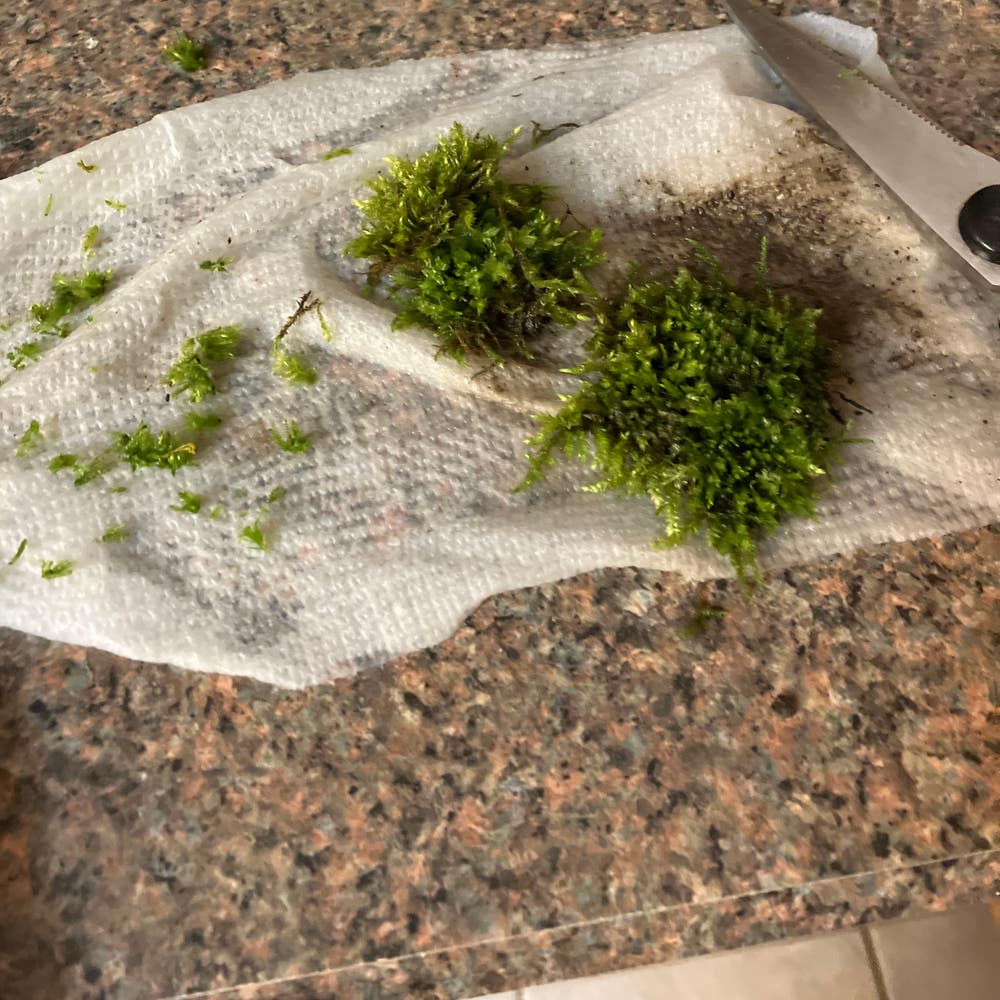
How Should Silvergreen Bryum Moss Be Cut Back?
Bryum argenteum
By the Greg Editorial Team
Jun 18, 2024•3 min read
This article was created with the help of AI so we can cover more plants for you. May contain errors. See one? Report it here.
Prune your way to a perfect moss masterpiece 🌿—learn when and how to snip Silvergreen Bryum for health and beauty.
- Spring/early summer best for pruning to promote healthy Silvergreen Bryum Moss.
- Use sharp tools, prune dry to shape and prevent disease.
- Thin and maintain regularly for aesthetics and moss health.
Best Season for Snipping
⏰ Timing is Everything
In the life cycle of Silvergreen Bryum Moss, spring and early summer are the MVPs for pruning. This is when the moss hits its growth spurt, making it the ideal time to shape up and encourage a lush, healthy spread.
⛅️ Weather and Environmental Cues
Pruning isn't just about the calendar; it's about reading the room—or in this case, the environment. Dry conditions are your green light for snipping, reducing the risk of disease and giving your moss the best shot at recovery. Keep an eye on the forecast and plan your pruning party accordingly.

Pruning Prep: Tools of the Trade
🛠️ Choosing Your Tools
Precision is non-negotiable when it comes to moss maintenance. Forget the garden shears; this is a job for tools that would make a surgeon nod in approval. Sharp scissors or micro-tip snips are your go-to for those delicate snips that keep your Silvergreen Bryum Moss looking sharp without looking shorn.
Setting the Stage
Before you make the first cut, set up your space. Think of it as pre-op for your moss: a clean, flat surface, tools sterilized with rubbing alcohol, and a clear plan of attack. It's like setting the table before a feast, only your moss is the guest of honor, and you're serving up a fresh look.

The Art of Pruning Silvergreen Bryum Moss
🌿 Trimming Techniques
Pruning Silvergreen Bryum Moss is less about cutting and more about gentle shaping. Start by assessing the overall form of your moss. Identify any areas that are overgrown or disrupt the desired contour. Using precision tools, like bonsai shears or micro snips, trim these sections back, following the natural shape of the moss. Aim to create a uniform appearance, but avoid over-pruning; mosses are delicate and can be slow to recover.
🌱 Thinning Out
Thinning is crucial for maintaining a healthy moss bed. Look for patches that are densely packed and lack air circulation. These areas are more susceptible to disease and can benefit from thinning. Carefully pluck out small amounts of moss to open up the space. This encourages air flow and allows light to reach lower layers, promoting healthier growth.
🪒 Damage Control
Regularly inspect your moss for signs of damage or disease. Yellowing or brown patches indicate dead or dying moss and should be removed to prevent spread. Use sharp, sterilized snips to cut away the affected areas, taking care not to disturb the healthy surrounding moss. Removing these sections also allows for new growth, keeping your moss vibrant and lush.

Sculpting Beauty: Aesthetic Pruning
🌿 Crafting Visual Interest
Visual appeal is paramount when pruning Silvergreen Bryum Moss. To create a captivating moss landscape, strategic snipping is key. Begin by assessing the natural flow and structure of your moss. Aim to highlight these features with minimal cuts, avoiding an over-trimmed appearance. Rotate the moss regularly to ensure even growth, which simplifies future pruning efforts.
🌱 Maintenance Pruning
Regular maintenance is crucial for sustaining the desired shape and fullness of your moss. Trim new growth to preserve the form, focusing on sections that disrupt symmetry. Sharp tools are essential for clean cuts, preventing damage to the delicate moss structure. After pruning, step back and inspect your work, making any necessary fine-tuning. Remember, subtle changes can have a significant impact, so prune with a light hand to maintain the moss's natural essence.
⚠️ Safety First
This content is for general information and may contain errors, omissions, or outdated details. It is not medical, veterinary advice, or an endorsement of therapeutic claims.
Always consult a qualified healthcare professional before using any plant as food, medicine, or supplement.
Never eat any plant (or feed one to pets) without confirming its identity with at least two trusted sources.
If you suspect poisoning, call Poison Control (800) 222-1222, the Pet Poison Helpline (800) 213-6680, or your local emergency service immediately.
Spotted an error? Please report it here.
Achieve the perfect Silvergreen Bryum Moss shape ✂️ with Greg's tailored pruning reminders and community tips for maintaining its natural beauty.