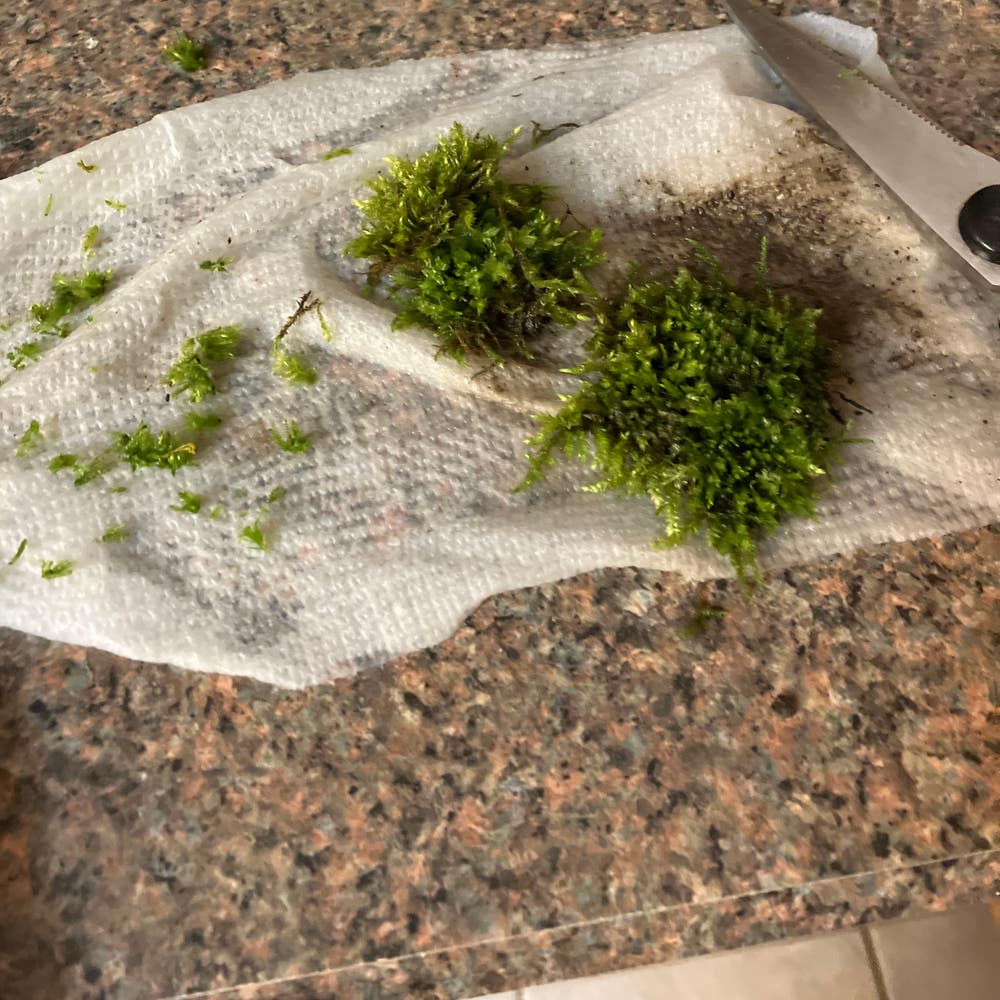
Why Are There Brown Spots on My Silvergreen Bryum Moss?
Bryum argenteum
By the Greg Editorial Team
Jun 18, 2024•4 min read
This article was created with the help of AI so we can cover more plants for you. May contain errors. See one? Report it here.
Save your moss from unsightly brown spots and ensure its verdant splendor with these expert tips! 🌿
- 🌧️ Overwatering leads to brown spots; let topsoil dry before watering again.
- 🌀 Improve airflow in terrariums to prevent brown spot development.
- 🕵️♂️ Regular check-ups and balanced environment keep moss healthy.
Pinpointing the Culprits Behind Brown Spots
🚰 Too Much Love: Overwatering Woes
Overzealous watering is a prime suspect in the case of brown spots on Silvergreen Bryum Moss. These spots are often soft, dark, and may even feel mushy to the touch. If the soil feels more like a swamp than a bed, you're giving your moss too much to drink.
Signs of overhydration include discolored roots that resemble overcooked noodles rather than firm, healthy tendrils. A consistently wet substrate is a clear indicator that it's time to ease up on the watering can.
💨 Stale Air Strikes
Air circulation is crucial for moss health, acting as a deterrent against fungal and bacterial growth. If your moss is languishing in stagnant air, you might notice the onset of brown spots.
Poor airflow can be identified by a lack of movement in the surrounding environment. If the air around your moss feels as still as a forgotten attic, it's time to introduce some circulation.
🦠 Unwanted Guests: Fungal and Bacterial Villains
Fungal and bacterial infections are the uninvited guests that leave behind brown spots as their calling cards. These spots may feature halos or concentric rings, indicating microbial mischief.
Symptoms of an attack include spotty patterns and a visible presence of mold or mildew on the soil surface. If your moss's leaves are turning into a spotty mess, it's likely under microbial siege.

Turning the Tide: Remedies for Brown Spots
💧 Fine-Tuning Your Watering Technique
Watering is crucial. Too much, and you're inviting a fungal rave. Get it just right by letting the topsoil dry out before you give it another go. Moisture meters are your undercover agents here, telling you when it's time to water without the guesswork.
Tools and Tricks
- Check the soil: Dry to the touch? Time to water.
- Long-spout watering can: Targets the soil, not the leaves.
- Seasonal adjustments: Less water when it's cooler.
🌬 Boosting Airflow for Moss Bliss
Airflow isn't just nice to have; it's a lifesaver for your moss. A stagnant terrarium is a petri dish for pests. Keep it breezy by ensuring your setup isn't suffocating your moss.
Improving Circulation
- Space out plants: They need room to breathe.
- Terrarium design: Open it up for a gentle flow of air.
🦠 Evicting Fungal and Bacterial Intruders
When fungus and bacteria crash the party, it's time for an eviction. Start with a fungicide that's safe for moss. If things look dire, don't play hero—get a professional.
When to Call for Backup
- Persistent brown spots: Despite your best efforts, they linger.
- Spread of infection: If it's spreading, you need more than home remedies.

Proactive Defense: Keeping Brown Spots at Bay
🌿 Regular Moss Check-Ups
Vigilance is key when it comes to Silvergreen Bryum Moss care. Regularly inspect your moss for early indicators of brown spots. This proactive approach can prevent minor issues from escalating into major headaches.
Consistency in your care routine is just as crucial. Like a well-oiled machine, a systematic approach to monitoring your moss's health can keep it thriving and spot-free.
🌱 The Ideal Moss Environment
Creating the optimal habitat for Silvergreen Bryum Moss is a balancing act. Aim for a stable environment where light, moisture, and cleanliness are in harmony to ward off brown spots.
Light levels should be moderate, avoiding the extremes of deep shade or direct sunlight. If your moss is indoors, consider the use of sheer curtains to soften the light, or rotate the moss to ensure even exposure.
Humidity should be consistent, ideally between 40-60%. Use a humidity gauge to monitor levels and adjust as needed to maintain this sweet spot. Too dry or too moist, and you're inviting trouble.
Cleanliness is next to mossiness. Keep the area around your moss free of debris and excess water to prevent mold and fungal growth. A clean environment is less inviting to pests and diseases that can cause brown spots.
Lastly, water wisely. Use moisture meters or the trusty finger test to gauge when it's time to water. Overwatering is a common misstep, so be sure to adjust your watering schedule with the changing seasons.

⚠️ Safety First
This content is for general information and may contain errors, omissions, or outdated details. It is not medical, veterinary advice, or an endorsement of therapeutic claims.
Always consult a qualified healthcare professional before using any plant as food, medicine, or supplement.
Never eat any plant (or feed one to pets) without confirming its identity with at least two trusted sources.
If you suspect poisoning, call Poison Control (800) 222-1222, the Pet Poison Helpline (800) 213-6680, or your local emergency service immediately.
Spotted an error? Please report it here.
Ensure your Silvergreen Bryum Moss stays spot-free 🍃 by leveraging Greg's environmental monitoring to perfect your watering routine and keep brown spots at bay.