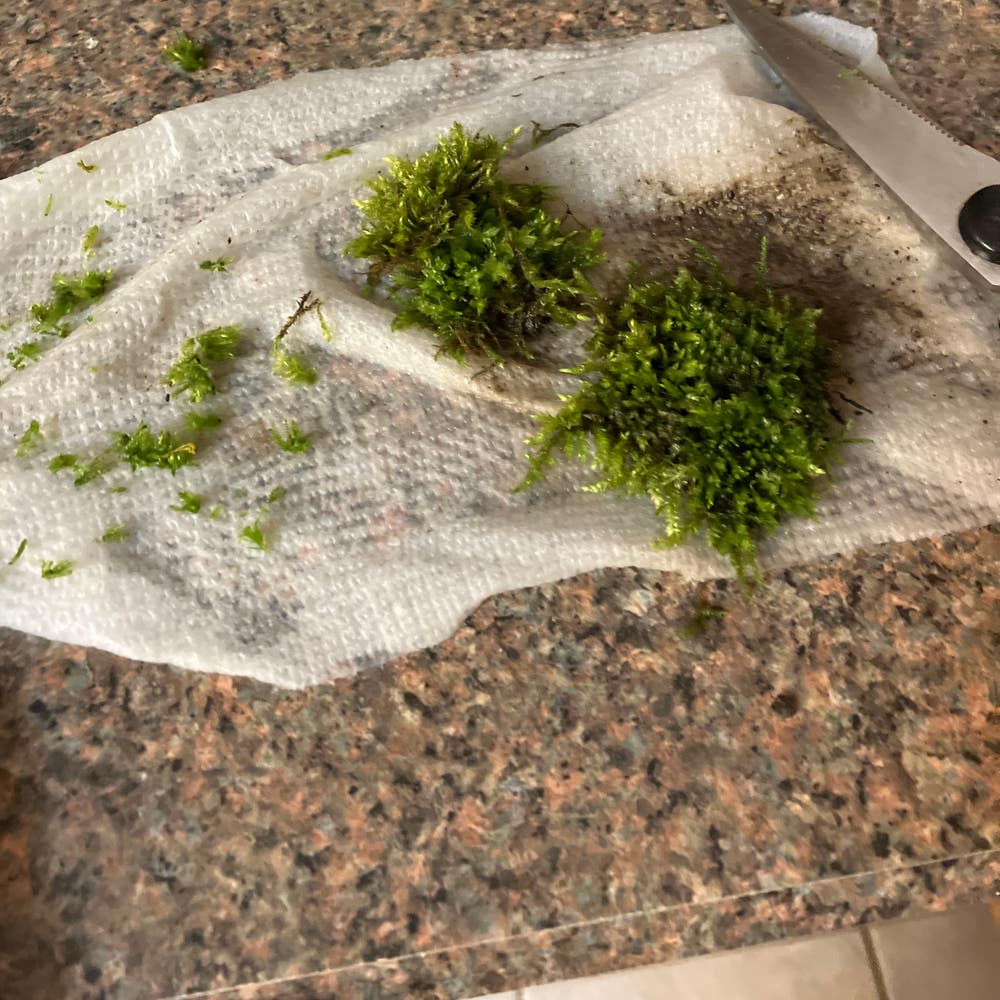
Black Spots on My Silvergreen Bryum Moss Leaves
Bryum argenteum
By the Greg Editorial Team
Jun 19, 2024•4 min read
This article was created with the help of AI so we can cover more plants for you. May contain errors. See one? Report it here.
Banish black spots 🕵️♂️ and reclaim your moss's vibrant health with our expert care tips!
- Overwatering leads to black spots, adjust watering and soil moisture.
- Fungi thrive in moist conditions, control humidity and airflow.
- Regular checks and balanced moisture prevent and treat black spots.
Spotting the Trouble: Recognizing Black Spots
🚨 Visual Signs of Black Spots
Black spots on Silvergreen Bryum Moss leaves are alarm bells. They may appear as small, isolated dots or evolve into larger patches that mar the plant's appearance. Texture matters; if the spots are raised or have a slimy feel, it's a sign of fungal freeloading. Dark margins or concentric rings around these spots are a clear indication that your moss is sending out an SOS.
🔄 The Spread Pattern
The pattern of spread is a tale of plant distress. When black spots start popping up on new growth and then march over to the older leaves, it's time to sit up and take notice. Rapid expansion of these spots is a red flag, signaling that your moss might be in for a rough ride. Keep a vigilant eye on the spread; unchecked, it can quickly escalate from a cosmetic issue to a full-blown vitality vampire for your moss.
Unearthing the Culprits: Causes of Black Spots
💦 Overwatering Woes
Overwatering is like giving your moss a bath when it just needs a sip. Excessive moisture is a prime suspect in the case of black spots on Silvergreen Bryum Moss. It's not just a matter of too much water; it's also about timing and drainage. Overly damp conditions are an open invitation for trouble, setting the stage for fungal growth and the subsequent appearance of those dreaded black marks.
🍄 Fungal Foes
Fungi are the uninvited guests that never leave. Common culprits include Cercospora and Anthracnose, which launch their assault on your moss's foliage with unsightly black lesions. These pathogens thrive in moist environments, so if you've been heavy-handed with the watering can, you might as well have rolled out the red carpet for them.
🌡️ Environmental Stress Signals
Don't underestimate the impact of temperature and light. Just like us, moss can get stressed out by its environment. Too much sun or too little, drafts, or even the wrong humidity levels can all contribute to the appearance of black spots. It's a delicate balance, and getting it wrong can leave your moss sending out distress signals in the form of those pesky black spots.
Healing the Leaves: Effective Remedies
💧 Adjusting Watering Habits
Watering is a delicate balance. Too much, and you invite a fungal free-for-all; too little, and your moss might as well be tumbleweed. Check the soil before watering—only when it feels like a day-old sponge. Use a drip system or water at the base to keep the foliage as dry as a humorist's wit.
💨 Airflow and Humidity Control
Stagnant air is a fungus's best friend. Crank up the circulation with fans or by placing your moss in a breezy locale. Use a hygrometer to keep humidity levels in check—too high, and you're in a swamp; too low, and you're in the desert.
🍄 Fungicide Solutions
When it comes to fungicides, precision and restraint are key. Follow the label like it's a treasure map. Natural options like neem oil or a baking soda mixture can work wonders. Apply consistently, but don't overdo it—fungicides are a scalpel, not a sledgehammer.
Keeping Spots at Bay: Prevention Tactics
💧 Moisture Mastery
Balancing moisture is crucial in preventing black spots on Silvergreen Bryum Moss. Ensure the soil is dry to the touch before watering again. Use a well-draining soil mix to prevent waterlogged conditions that are a breeding ground for fungi.
🕵️ Regular Moss Check-ups
Make plant inspections a routine habit. Look for early signs of distress, such as discoloration or spotting, and act swiftly. Regular grooming, like removing dead leaves, promotes plant health and aesthetics. Prevention is more effective than treatment.
⚠️ Safety First
This content is for general information and may contain errors, omissions, or outdated details. It is not medical, veterinary advice, or an endorsement of therapeutic claims.
Always consult a qualified healthcare professional before using any plant as food, medicine, or supplement.
Never eat any plant (or feed one to pets) without confirming its identity with at least two trusted sources.
If you suspect poisoning, call Poison Control (800) 222-1222, the Pet Poison Helpline (800) 213-6680, or your local emergency service immediately.
Spotted an error? Please report it here.
Keep your Silvergreen Bryum Moss thriving 🌿 with Greg's tailored environment tracking, turning the tide against those pesky black spots for a lush, healthy green companion.