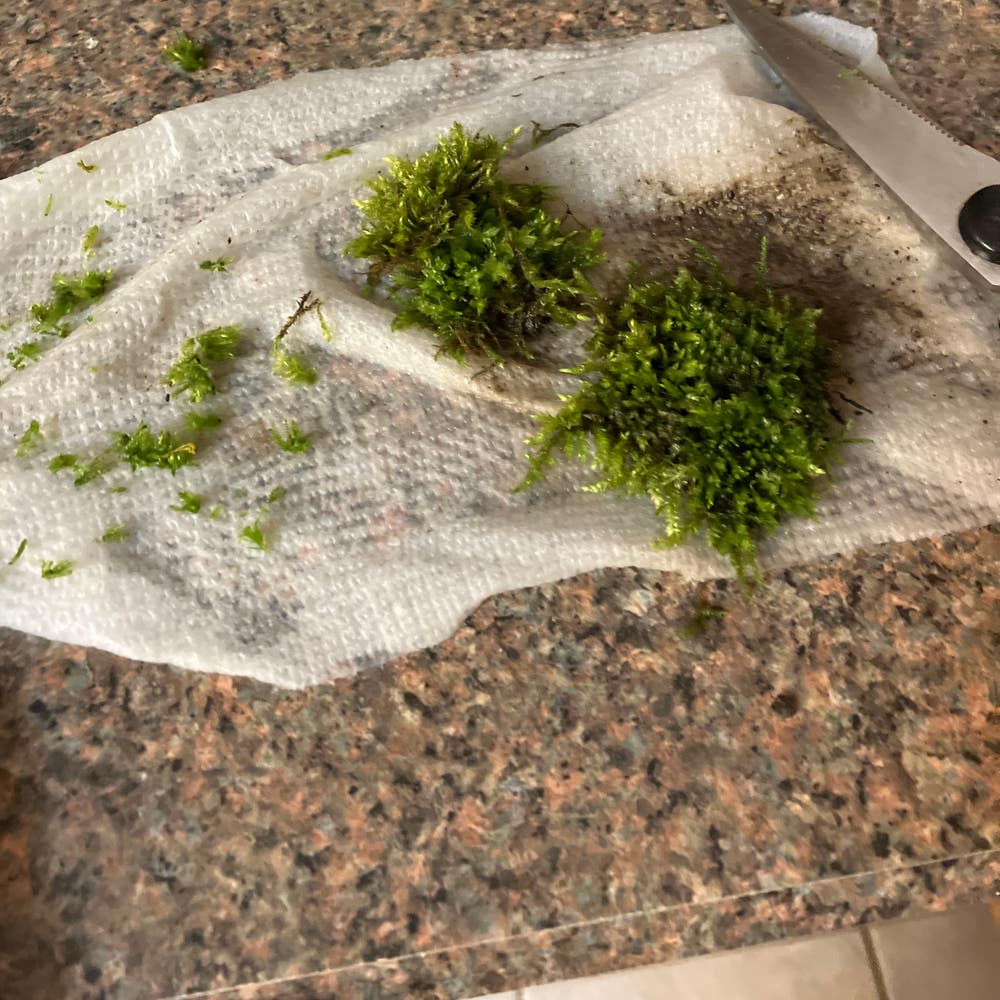
Why Are My Silvergreen Bryum Moss Leaves Falling Over?
Bryum argenteum
By the Greg Editorial Team
Jun 19, 2024•5 min read
This article was created with the help of AI so we can cover more plants for you. May contain errors. See one? Report it here.
Revive your droopy moss 🌿 and transform it into a lush centerpiece with these essential care tips.
- Wilting and color changes signal Silvergreen Bryum Moss distress.
- Balance water and light to prevent overwatering and sunburn.
- Maintain 40-60% humidity with misting, pebble trays, or grouping plants.
Spotting the Signs: When Your Moss is in Distress
🍂 Identifying the Symptoms: Recognizing When Leaves Are Falling Over
Wilting leaves that once stood tall are your first hint of moss melancholy. If you spot stems bending like overcooked spaghetti, it's a clear signal: your moss's structural integrity is compromised. Look for leaves that hang limply, resembling a defeated umbrella after a storm. These are not just aesthetic issues; they're distress flares calling for your attention.
🚨 Assessing the Severity: How to Tell if Your Moss is at Risk
Color changes in leaves are like a mood ring for your moss's health. If you're seeing a shift to a paler hue or spotting any unsightly blemishes, your moss is likely screaming for help. Mushiness in the soil or roots is akin to finding your plant's feet stuck in quicksand—act fast, or risk a total collapse. On the flip side, leaves that are dry and crispy to the touch are broadcasting a desperate need for hydration.
🔍 Early Detection: The Plant Detective's Toolkit
Regular inspections are non-negotiable. Get up close and personal with your moss, checking for any signs of pests, mold, or mildew. These unwanted guests are like party crashers that can turn your green oasis into a botanical nightmare. Black or brown spots on leaves aren't the latest trend; they're trouble. If you find any, it's time to play plant detective and trace the source of these ominous signals.
⚔️ Quick Action: The First Line of Defense
Isolate any affected plants to prevent a domino effect of distress. Evaluate the soil's moisture—if it feels like a wrung-out sponge, ease up on the watering. Conversely, if it's drier than a desert, it's time to quench your moss's thirst. Keep a keen eye out for any unusual spots or webbing that could indicate an infestation. Remember, the difference between a temporary droop and a plant-pocalypse could be your swift response.
Water Woes: Striking the Right Balance
🌊 Overwatering Overwhelm
Soggy soil is a tell-tale sign your Silvergreen Bryum Moss is too wet. Overwatering can lead to a lack of oxygen in the soil, causing roots to suffocate and lose their grip, making leaves flop over.
To prevent waterlogging, aim for soil that's damp, not dripping. Think of it like a wrung-out sponge. Adjust your watering to the weight of the pot; it should feel lighter as it dries out.
🏜️ Underwatering Unease
Conversely, leaves that are crispy or brittle are waving a red flag for dehydration. Silvergreen Bryum Moss needs consistent moisture to stay perky.
To quench your moss's thirst, water it thoroughly, allowing excess to drain. The soil should never feel bone-dry; check it daily by pressing a finger an inch down. If it's dry, it's time to water. Remember, room temperature water is best to avoid shocking the roots.
Keep in mind that your moss's water needs will fluctuate with the seasons. In winter, it's like a bear hibernating; it needs less to drink. Adjust your watering schedule to match its slowed-down rhythm.
Let There Be Light: But Not Too Much!
🌿 The Lowdown on Low Light
Silvergreen Bryum Moss can start to flop when deprived of adequate light. It's a sign the plant is straining to reach for more. Bright, indirect light is the sweet spot for these mosses, ensuring they remain perky without stretching out like they're trying to escape their pot.
🌳 Finding the Sweet Spot: Ideal Lighting for Upright Leaves
To achieve the Goldilocks zone for your moss, aim for a location that mimics the dappled sunlight of a forest floor. This could be near a north-facing window or a spot with a sheer curtain diffusing the direct rays of the sun.
☀️ The Perils of Too Much Sun
Excessive sunlight can lead to a sunburnt moss, causing leaves to collapse and scorch. It's a harsh reality for a plant that thrives in gentle light.
🌞 Creating a Well-Lit Haven for Healthy Growth
Craft a haven by monitoring the light throughout the day, ensuring the moss isn't subjected to harsh direct beams. If natural light is limited, consider grow lights as a controlled alternative. Remember, the angle of the sun changes with the seasons, so be prepared to shuffle your moss to maintain that ideal light exposure.
Humidity Harmony: Creating a Comfortable Climate
Silvergreen Bryum Moss thrives in a humid environment, but too much or too little can spell trouble. Here's how to strike the right balance.
💦 Understanding the Humidity Needs
Silvergreen Bryum Moss prefers a consistent level of moisture in the air. Aim for 40-60% relative humidity to mimic its natural habitat.
🛠 Tools for Maintaining Moisture
Hygrometers are essential; they're like your plant's personal weather station. Use them to monitor the air's moisture levels with precision.
🌿 Humidity Hacks
- Misting: Give your moss a morning shower to boost humidity. Just don't overdo it; you're not trying to create a rainforest.
- Pebble Trays: Place your pot on a tray of water and pebbles to increase ambient moisture without waterlogging the soil.
- Grouping Plants: Create a mini ecosystem by placing your moss near other plants. They'll help each other stay hydrated.
🌬 Seasonal Adjustments
As seasons change, so does indoor humidity. Use a humidifier in dry months for a consistent boost, and consider a dehumidifier or air conditioner when the air gets too muggy.
🌀 Air Circulation: Breathe Easy
Good airflow is crucial. A gentle fan can prevent mold and keep your moss happy. It's like a soft breeze on a spring day—refreshing and vital.
Remember, your moss's leaves are the best indicators of its comfort. Keep an eye on them, and adjust your humidity tactics as needed.
⚠️ Safety First
This content is for general information and may contain errors, omissions, or outdated details. It is not medical, veterinary advice, or an endorsement of therapeutic claims.
Always consult a qualified healthcare professional before using any plant as food, medicine, or supplement.
Never eat any plant (or feed one to pets) without confirming its identity with at least two trusted sources.
If you suspect poisoning, call Poison Control (800) 222-1222, the Pet Poison Helpline (800) 213-6680, or your local emergency service immediately.
Spotted an error? Please report it here.
Ensure your Silvergreen Bryum Moss is never distressed 🌿 with Greg's personalized care reminders for the perfect balance of light, water, and humidity.