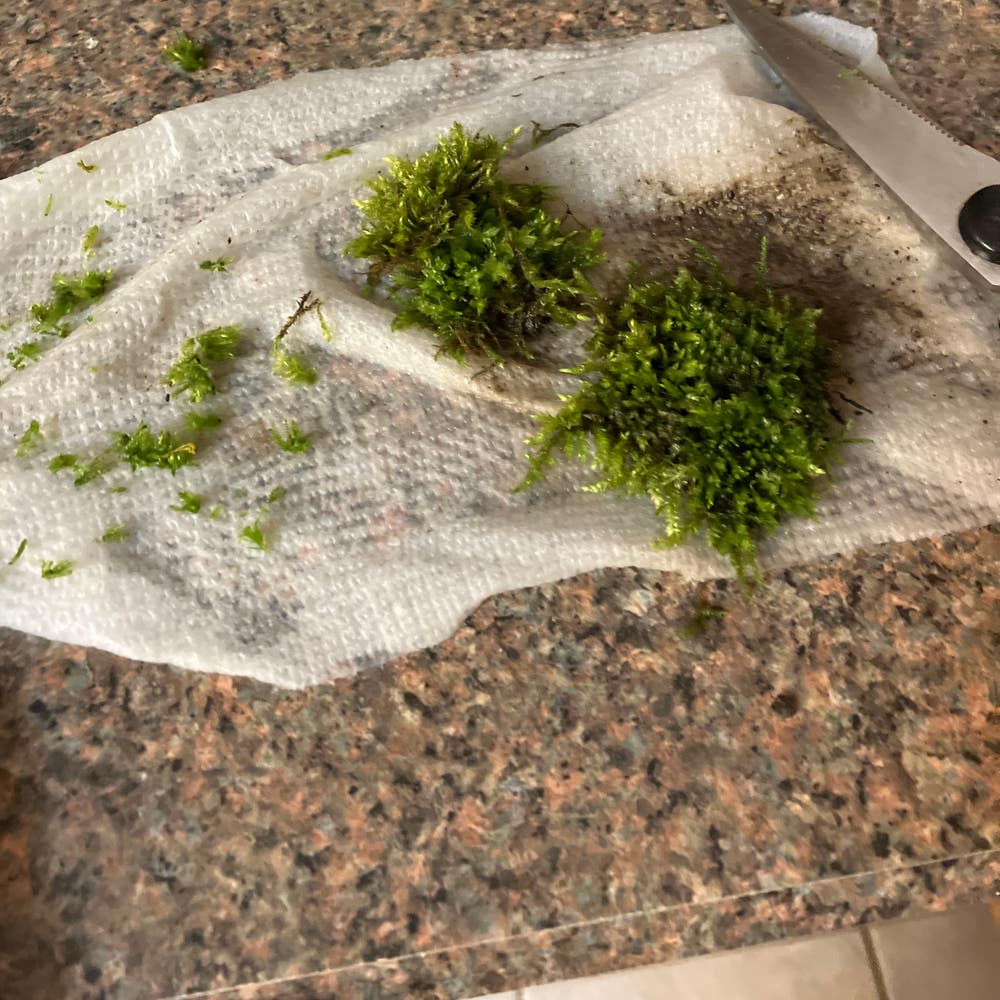
What To Do About Bugs on My Silvergreen Bryum Moss? 🐛
Bryum argenteum
By the Greg Editorial Team
Jun 19, 2024•3 min read
This article was created with the help of AI so we can cover more plants for you. May contain errors. See one? Report it here.
Safeguard your moss's lush beauty 🌿 from tiny terrors with our expert pest-fighting tips!
- 🕸️ Spider mites cause webbing and discoloration; shower off or use predators.
- 🍯 Scale insects' honeydew leads to mold; treat with alcohol swabs or neem oil.
- 🌱 Prevent pests with wise watering and quarantine new moss additions.
Spotting Trouble: Identifying Common Pests
🕷️ Spider Mites
Tiny webbing and leaf discoloration are the hallmarks of a spider mite invasion. These pests are microscopic but mighty, capable of causing significant damage to your Silvergreen Bryum Moss.
🐞 Scale Insects
Scale insects masquerade as part of the plant with their protective shells. They secrete a sticky substance known as honeydew, which can lead to sooty mold, a black fungal growth that's as unpleasant as it sounds.
🦟 Fungus Gnats and Fruit Flies
Swarming adults and wriggling larvae are the giveaways for fungus gnats and fruit flies. These pests can cause your moss to yellow and exhibit weak growth, a clear distress signal.
🐛 Mealybugs
Clusters of mealybugs resemble tiny cotton balls tucked into the nooks of your moss. Their sap-sucking habits can lead to stunted growth and general plant malaise.
Natural Remedies: Gentle on Moss, Tough on Bugs
🕷️ For Spider Mites
Shower them off with a blast from your bathroom faucet. This method is like a mini monsoon for mites, sending them down the drain without harsh chemicals.
Introduce predators such as ladybugs or lacewings. These beneficial insects are the unsung heroes, naturally keeping mite populations in check.
⚖️ For Scale and Mealybugs
Dab alcohol swabs directly on these pests. It's a spot treatment that's as straightforward as it gets – pests meet their match with a simple swab.
Apply neem oil with care; it's an organic insecticide that's tough on bugs but gentle on moss. Remember to test on a small area first – we're not making salad dressing here.
🦟 For Fungus Gnats and Fruit Flies
Deploy sticky traps to catch these aerial annoyances. It's like setting up a no-fly zone over your moss.
Adjust the soil to prevent gnat larvae. A sprinkle of sand or diatomaceous earth creates a desert-like barrier they can't cross.
Chemical Warfare: When to Escalate the Battle
🐜 Choosing the Right Insecticide
When your Silvergreen Bryum Moss is under siege by relentless pests, chemical insecticides may be your last line of defense. It's crucial to select products that are moss-safe, ensuring they target only the unwanted guests. Look for insecticides that specify they are safe for use around mosses or have a low impact on non-target plants.
Application tips are your best friend here. Always apply according to the label—no winging it. Use a fine mist to coat the moss lightly, avoiding drenching, which can harm the delicate structure of your moss.
🛡️ Resistance Management
Pests are crafty and can build up a resistance to your chemical arsenal. Rotate treatments with different modes of action to keep them guessing. This isn't just smart; it's essential for maintaining the effectiveness of your chosen insecticides. Remember, using the same product repeatedly is like telling the bugs your battle plans.
By incorporating these strategies, you can safeguard your Silvergreen Bryum Moss against the onslaught of pests while minimizing collateral damage. Keep your gear ready, but only deploy when absolutely necessary, and always with precision.
Prevention: The Best Defense Against Pests
🌱 Cultural Practices
Water wisely to fend off moisture-loving pests. Overwatering is like sending an open house invitation to bugs; keep it to a minimum. Quarantine new moss additions to prevent unwanted pest parties.
🌿 Environmental Controls
Create a hostile environment for pests with proper humidity and airflow. Think of it as setting up an invisible shield around your moss. Regular inspections are the early warning system you need to stop pests in their tracks.
⚠️ Safety First
This content is for general information and may contain errors, omissions, or outdated details. It is not medical, veterinary advice, or an endorsement of therapeutic claims.
Always consult a qualified healthcare professional before using any plant as food, medicine, or supplement.
Never eat any plant (or feed one to pets) without confirming its identity with at least two trusted sources.
If you suspect poisoning, call Poison Control (800) 222-1222, the Pet Poison Helpline (800) 213-6680, or your local emergency service immediately.
Spotted an error? Please report it here.
Eradicate pests and protect your Silvergreen Bryum Moss with Greg's custom reminders 🛡 for timely treatments and proactive plant care!