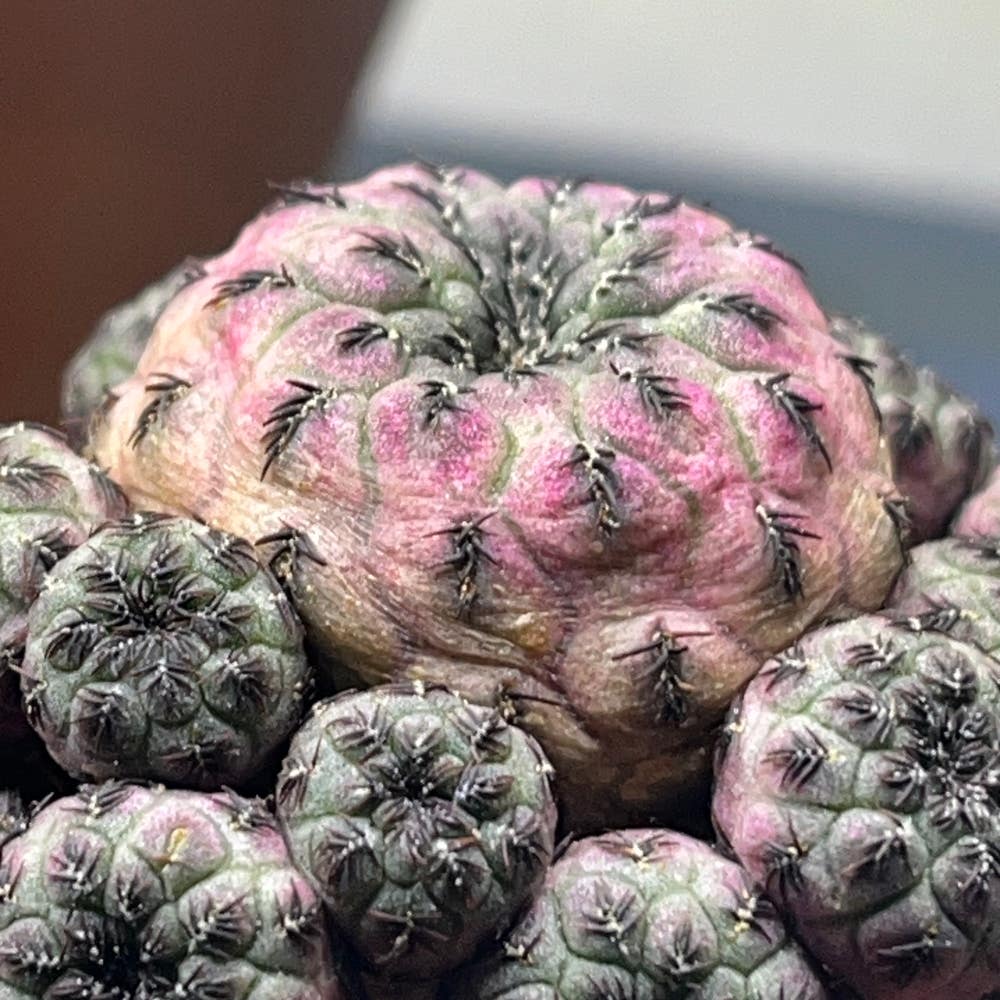
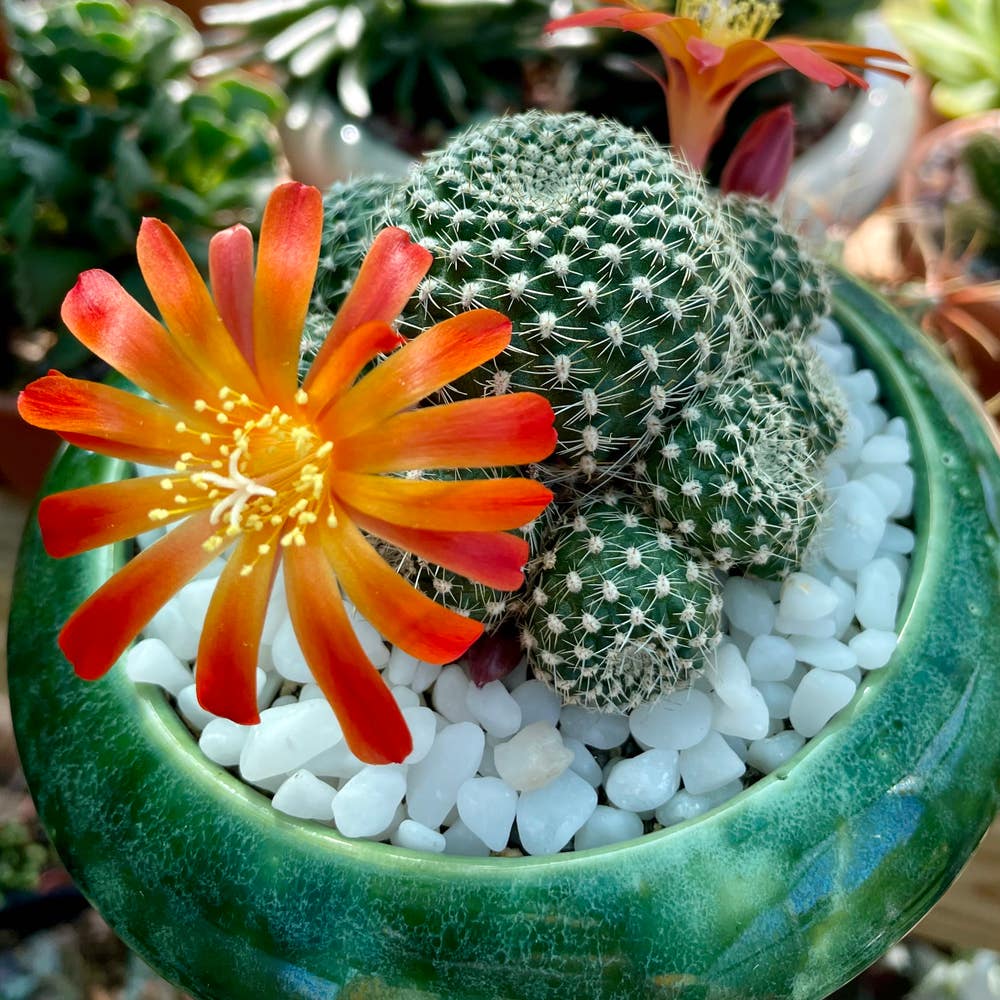
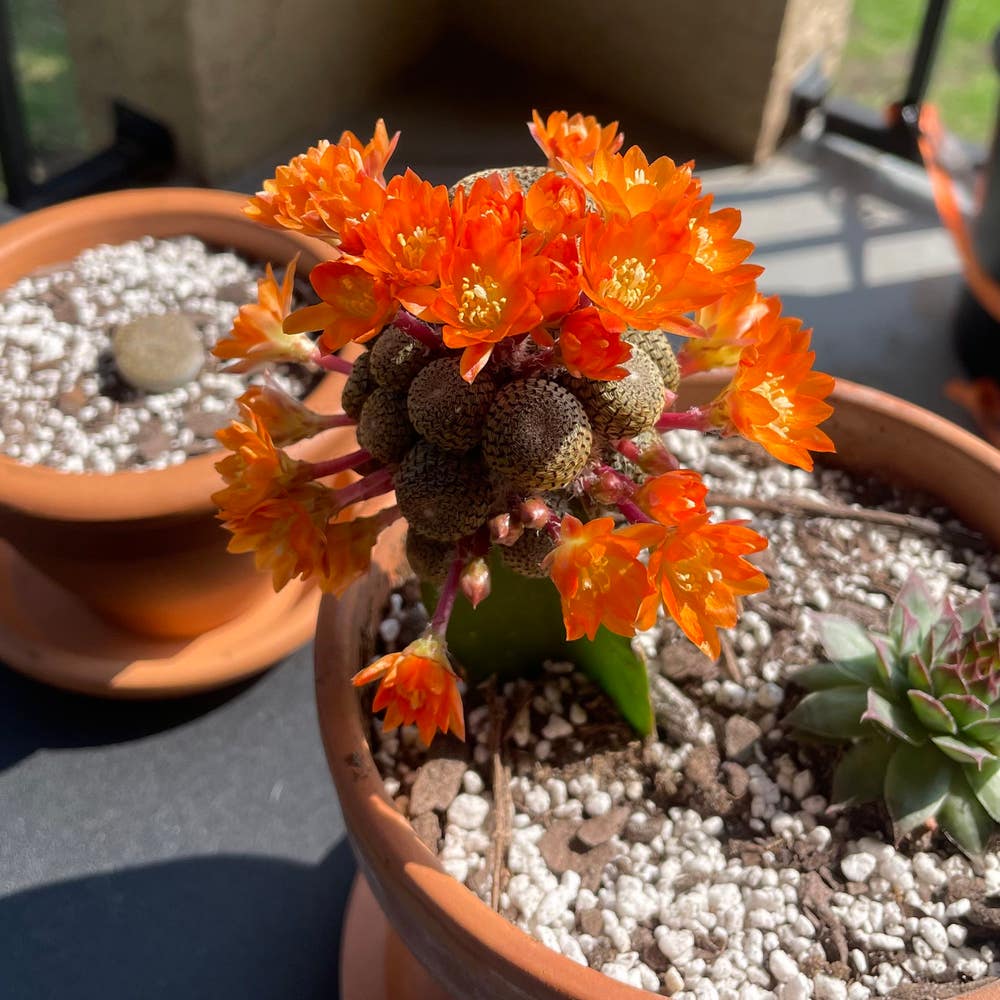
Rebutia perplexa Root Rot Solutions
Rebutia pulvinosa subsp. perplexa
By the Greg Editorial Team
Mar 07, 2024•4 min read
This article was created with the help of AI so we can cover more plants for you. May contain errors. See one? Report it here.
Rescue your cactus 🌵 from root rot's clutches and prevent future peril with this essential guide.
- 🚩 Yellow leaves and mushy roots signal immediate root rot action needed.
- 🌵 Repot with well-draining soil and monitor moisture to prevent recurrence.
- 💧 Tailor watering to seasons and use moisture meters for precision.
Spotting Trouble: Recognizing Root Rot Signs
🚩 Visual Red Flags
Yellowing leaves and wilting are red flags for Rebutia perplexa, indicating it's more than just a rough patch. The plant is signaling distress from above the soil.
Mushy roots are a dead giveaway of root rot. If the roots of your cactus feel soft and look discolored, it's time to take immediate action.
Beyond the Surface
Root rot can be a silent enemy, lurking without obvious visual cues. If your cactus is not thriving but shows no clear signs, suspect root rot.
A funky smell from the soil is a telltale sign of trouble. Don't ignore it; this could be your cactus crying out for help.
Emergency Response: Treating Root Rot ASAP
🏥 Surgical Precision
First things first: sterilize your tools. You're about to go full surgeon on your Rebutia perplexa. Gently remove it from its pot and shake off the soil to get a clear view of the roots. Now, it's time to cut out the rot. Be thorough—any remaining infected tissue can cause a relapse.
Next up, repotting. Ditch the old soil like a bad habit and introduce your cactus to a fresh, well-draining mix. Think of this as a new beginning in a cozy, breathable space. Make sure the pot has good drainage to prevent future waterlogging.
🚑 Aftercare
Watering is now a delicate art. Wait until the soil is bone dry before giving your plant a sip. This is crucial—overwatering can send you back to square one. Place your cactus in bright, indirect light and watch for new growth, the telltale sign of recovery.
Monitor your plant's progress and adjust your care routine accordingly. Seasonal changes mean shifts in watering frequency, so stay alert. Your cactus's health depends on your vigilance and ability to adapt.
Water Wisdom: Preventing Root Rot Through Smart Hydration
💧 The Goldilocks Zone
Finding the Goldilocks zone for watering your Rebutia perplexa isn't rocket science, but it does require some finesse. Tailor your watering routine to the plant's needs, ensuring the soil is neither a swamp nor a desert.
During summer, your cactus might guzzle water like a marathon runner, but come winter, it's more of a casual sipper. Seasonal shifts in hydration are key; don't stick to a rigid schedule when the weather's doing its own thing.
🛠 Tools of the Trade
Moisture meters are like secret agents for your plant's soil, giving you the intel you need to avoid over or under-watering. They're worth their weight in gold for preventing root rot.
And let's not forget the importance of a good pot. One with drainage holes is non-negotiable—it's the difference between a healthy cactus and a waterlogged mess.
The Right Foundation: Soil and Drainage Mastery
🌱 The Perfect Mix
Crafting a well-draining soil blend is crucial for the health of your Rebutia perplexa. Start with a base of all-purpose potting soil, which provides structure and nutrients. Introduce coarse sand or grit to the mix to improve drainage, ensuring that water doesn't overstay its welcome. Add perlite to the equation to create air pockets, giving roots the space they need to breathe.
Pot picks are just as important as the soil mix. Your pot should have drainage holes to prevent water from pooling at the bottom. This isn't just a suggestion; it's a must-do to avoid root rot. If your pot is missing these essential features, grab a drill and make some holes. It's a simple yet effective way to keep your cactus happy and healthy.
🛠 Maintenance Matters
Regular check-ups on your soil and drainage system are non-negotiable. Over time, soil can become compacted or the drainage can get blocked. It's like checking the oil in your car; neglect it, and you're in for trouble. Ensure that the soil remains light and airy, and that water can flow freely through the pot's drainage holes.
Keep an eye on moisture levels with a simple finger test or invest in a moisture meter for a more precise reading. If the soil feels too damp, it's time to adjust your watering schedule or improve your soil mix. Remember, the goal is to maintain the Goldilocks zone for your soil—not too wet, not too dry.
⚠️ Safety First
This content is for general information and may contain errors, omissions, or outdated details. It is not medical, veterinary advice, or an endorsement of therapeutic claims.
Always consult a qualified healthcare professional before using any plant as food, medicine, or supplement.
Never eat any plant (or feed one to pets) without confirming its identity with at least two trusted sources.
If you suspect poisoning, call Poison Control (800) 222-1222, the Pet Poison Helpline (800) 213-6680, or your local emergency service immediately.
Spotted an error? Please report it here.
Eradicate root rot 🚫 in your rebutia perplexa with Greg's precise soil moisture tracking and custom watering reminders, ensuring your cactus stays healthy and vibrant.